 Debby Wijaya
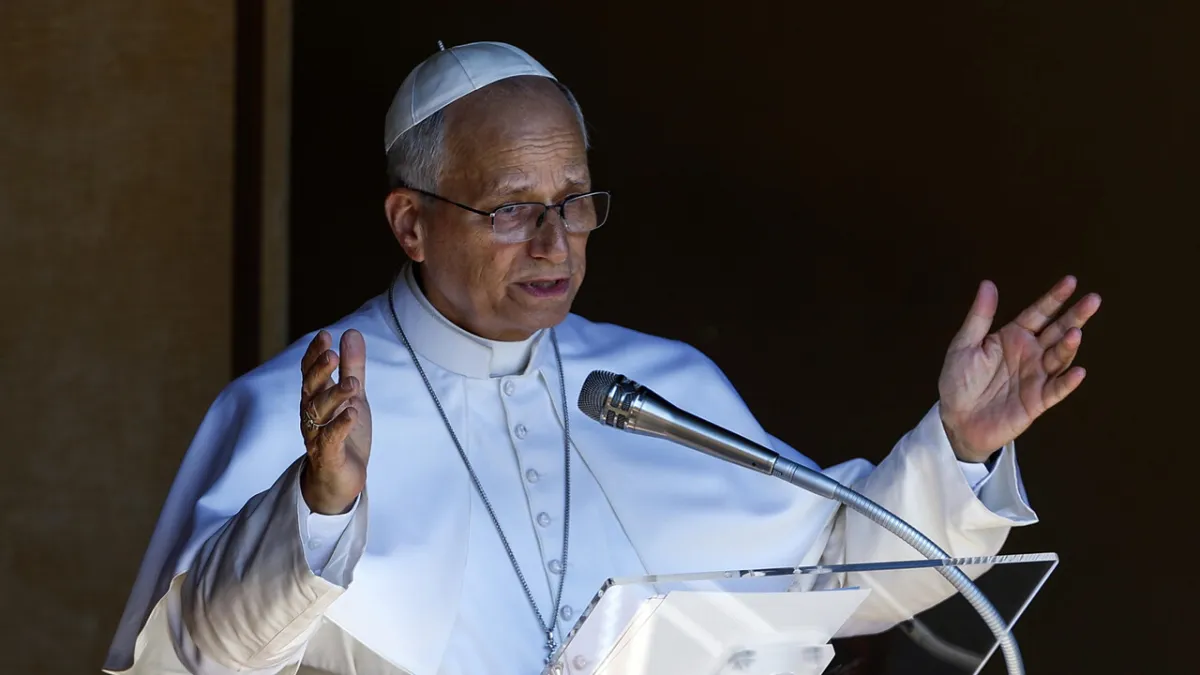
Vatican City – Pope Leo XIV, the supreme pontiff of the Catholic Church, recently delivered a profound message of consolation and enduring hope for the peoples in the Holy Land, Ukraine, and Russia. The deeply significant appeal was made by the Pontifex Maximus during his weekly Angelus prayer from the window of the Apostolic Palace in the Vatican in 2026, emphasizing the importance of faith amidst suffering.
In his spiritual address, Pope Leo XIV specifically stated that the communities in these troubled regions 'may continue to hope.' This underscores spiritual resilience and a belief in a better future, despite the ongoing geopolitical challenges and humanitarian conflicts.
The Angelus prayer itself is a Catholic tradition performed three times a day, with a special prayer led by the Pope every Sunday. This moment consistently serves as an important platform for the Church leader to convey universal messages of peace, justice, and humanity to millions of Catholics and the global community.
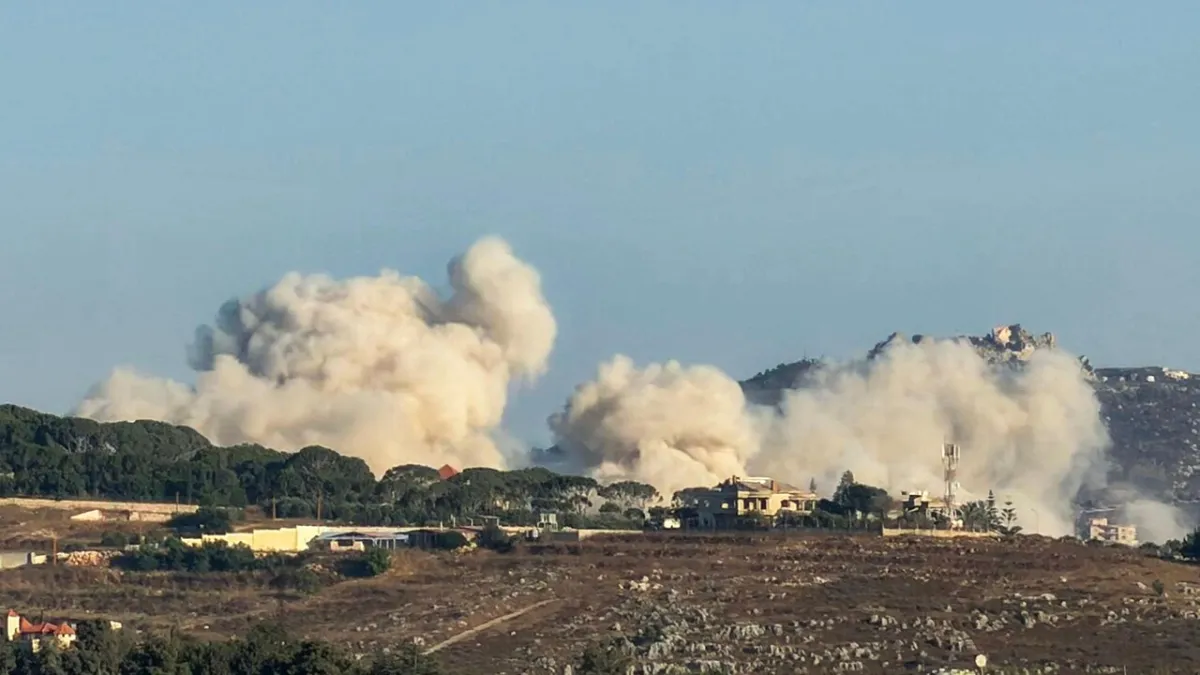
The Holy Land, including Palestinian and Israeli territories, continues to be a focal point of historical tensions and protracted conflict. The struggle for human rights and sovereignty there often triggers cycles of violence, leaving deep wounds on civilian populations yearning for stability and normal life.
Ukraine, on the other hand, is still grappling with the ramifications of an invasion and war that have raged for years. Millions have been displaced, infrastructure destroyed, and casualties continue to mount. Pope Leo XIV has repeatedly voiced concern over the humanitarian crisis there and urged dialogue for a peaceful resolution to the conflict.
Russia, although directly involved in the Ukrainian conflict, also experiences significant impacts from international isolation and economic hardship. The Pope implicitly included Russia in his call for consolation, reminding that suffering and the need for hope are universal, transcending political and ideological boundaries.
Through this message, Pope Leo XIV acts not only as a spiritual leader for Catholics but also as a global moral voice urging world leaders to prioritize humanity over political interests. This message stresses that every individual is entitled to peace and dignity.
Pope Leo XIV's statement reflects the consistent efforts of the Holy See to promote reconciliation and dialogue among nations and religions. The Vatican believes that long-term solutions to conflicts can only be achieved through sincere negotiations and the recognition of the dignity of every human being.
This appeal also serves as a reminder to the entire international community about the shared responsibility to alleviate suffering and work towards a more just and harmonious world. Hope, in the context of Church teachings, is not passivity but an active impetus to seek solutions and rebuild.
Pope Leo XIV's Angelus message, though spiritual in nature, carries strong geopolitical resonance. It challenges global actors to reflect on the consequences of their actions and to seek a way out of the conflict stalemates that have claimed so many lives and eroded social cohesion.
This is also a call for faithful people worldwide to continue praying for peace and justice, and to become agents of positive change within their respective communities. The power of prayer, according to Catholic belief, can move hearts and minds towards the common good.
Editorial Insight: Pope Leo XIV's call for consolation and hope in the Holy Land, Ukraine, and Russia in 2026 underscores the Vatican's enduring role as a harbinger of peace. In an ever-turbulent geopolitical landscape, this message not only offers spiritual solace but also serves as a subtle admonition to policymakers to prioritize dialogue and humanity. Its long-term impact will depend on the extent to which world leaders respond to this moral imperative, yet its very existence is a vital reminder of universal values transcending conflict.