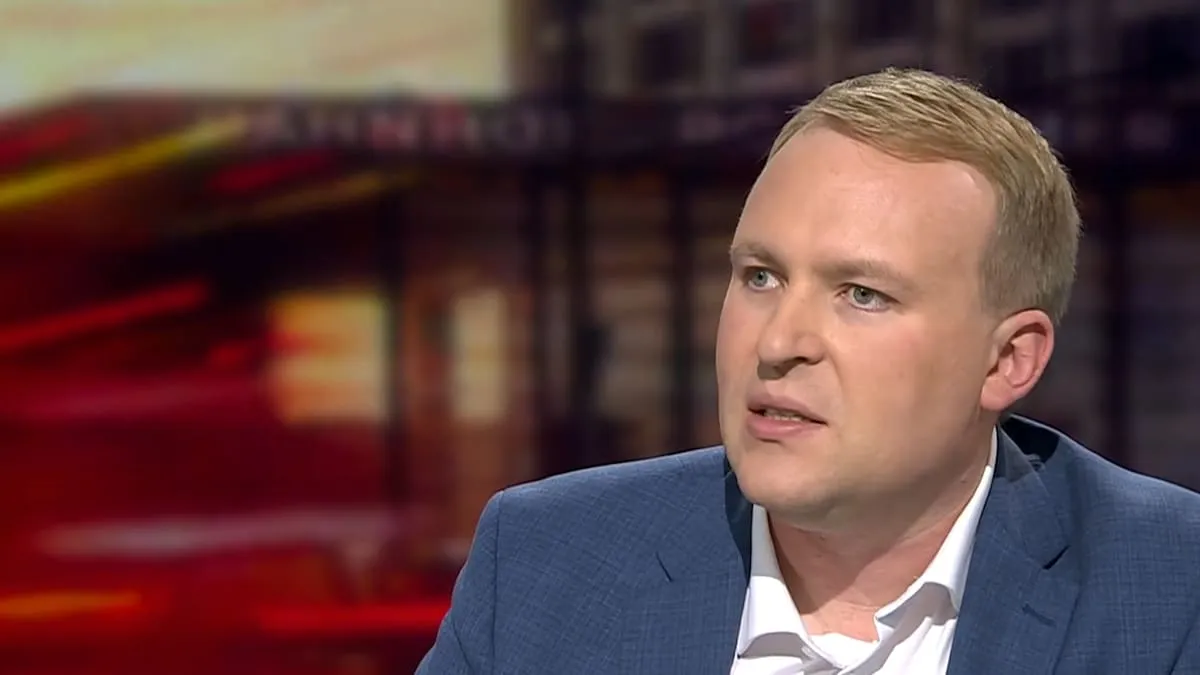
 Stefani Rindus
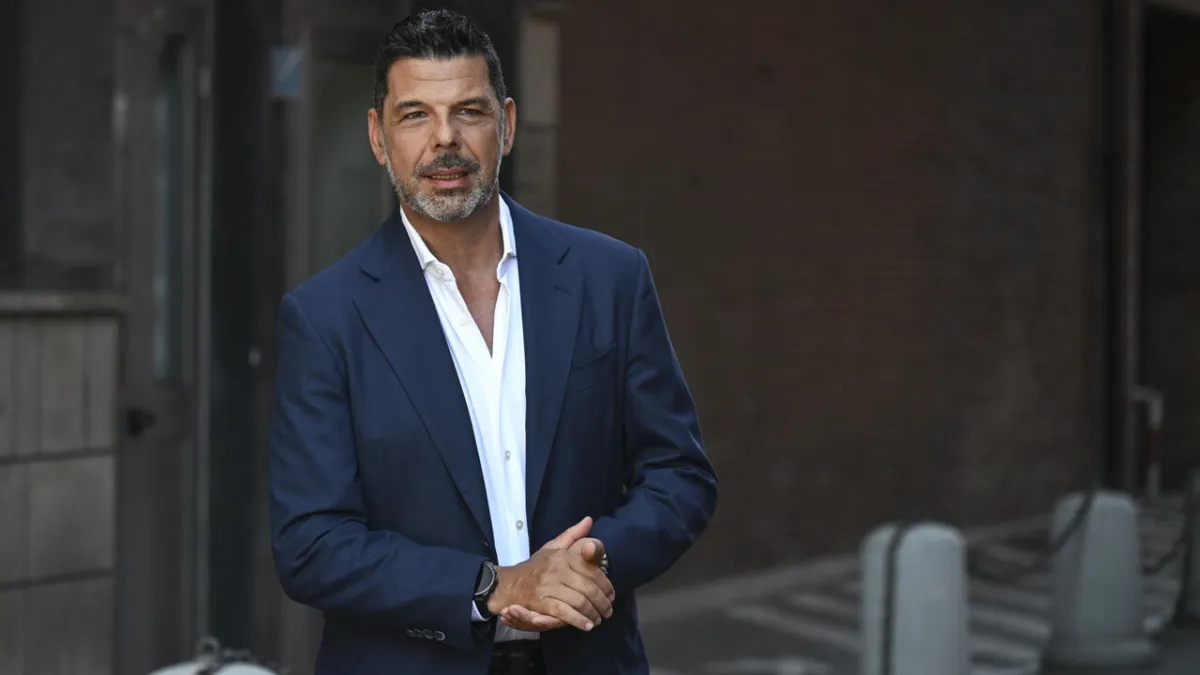
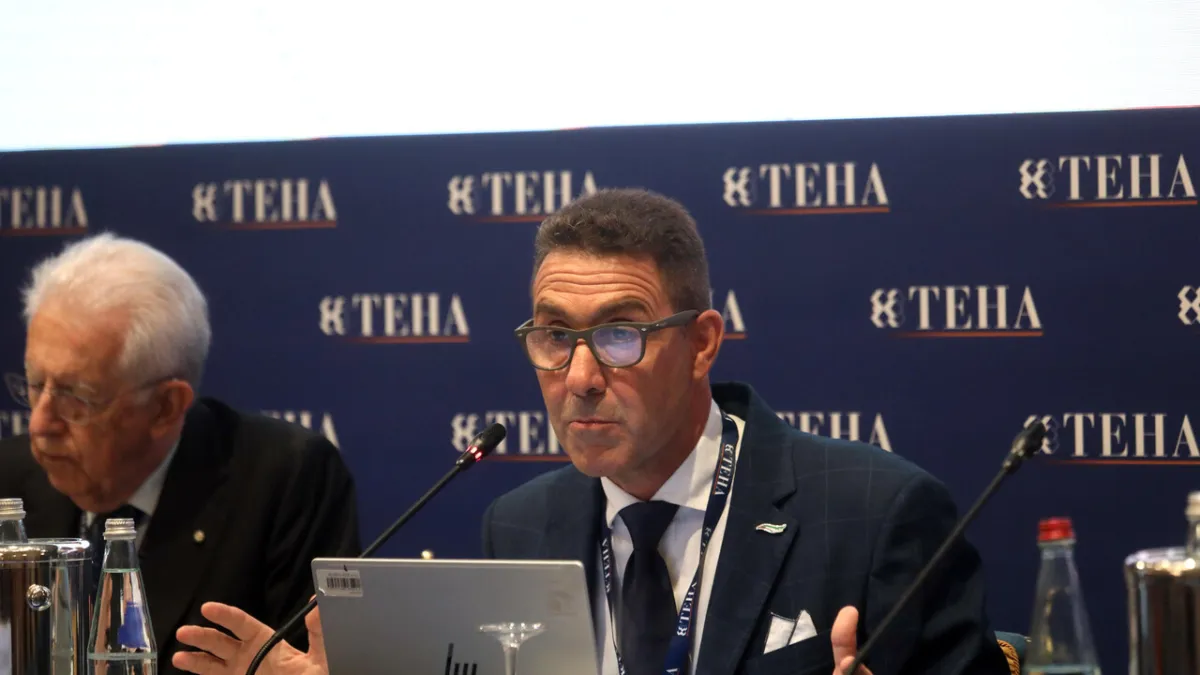
BERLIN – Public sentiment in Europe reveals a significant shift. Gabriel Kords, Editor-in-Chief of the prominent newspaper Nordkurier, posits that society is now longing for disruption or radical change, contrary to the cautious narratives often propagated by centrist parties. This statement was delivered during the Meinungsfreiheit (Freedom of Opinion) discussion forum, highlighting a widening gap between the political elite and the aspirations of their citizens in 2026.
Kords unequivocally stated, While centrist parties warn against the dangers of disruption, more and more citizens are longing for disruption itself. His observation indicates a collective weariness with the status quo and a strong desire to see fundamental transformations within the existing political, economic, and social systems.
This phenomenon is more than just mild dissatisfaction. The yearning for disruption reflects deep disappointment with the slow response of governments and established parties in addressing crucial issues. Problems such as inflation, economic inequality, energy crises, and migration are often perceived as being inadequately handled by conventional political approaches.
Centrist parties, which traditionally champion stability, compromise, and gradual reforms, now face a major dilemma. Their warnings about the chaos that might arise from sudden changes are ironically fueling a narrative that they are obstacles to progress, or at least, less responsive to the urgent needs of the people.
Weakening economic forces in several European countries, as indicated by France's soaring debt, could be a primary catalyst. Society directly feels the impact of economic downturns and seeks more drastic solutions than patchwork adjustment policies. This condition makes the narrative of disruption particularly appealing.
Global geopolitical developments also contribute to this viewpoint. Uncertainty stemming from the situation in Eastern Europe and other security threats create an atmosphere demanding more decisive and courageous responses, rather than approaches deemed overly cautious.
The demand for disruption can also be seen in the wave of support for political figures who boldly advocate for radical change agendas, even if it means challenging political consensus. Shifts in leadership dynamics in Germany, for example, show that there is room for figures promising unconventional approaches.
Kords' perspective reinforces the argument that mainstream politics needs to re-evaluate its strategy. They can no longer rely solely on promises of stability without offering a strong and concrete vision for the future. Freedom of opinion, as a cornerstone of democracy, allows these alternative ideas to surface.
Political observers note that this phenomenon is not new, but its intensity is increasing. Globalization, the information revolution, and media fragmentation have empowered citizens to voice their dissatisfaction and seek solutions outside traditional frameworks. This challenges the hegemony of established parties in shaping public opinion.
The big question that arises is, how will centrist parties respond to this yearning for disruption? Will they adapt by offering bolder solutions, or risk losing an increasingly massive support base? The future of the European political landscape in 2026 and beyond will likely be determined by these dynamics.
Editorial Insight: Gabriel Kords' thesis highlights a deep crisis of trust in traditional political institutions across Europe. The yearning for disruption does not signify a desire for chaos, but rather a strong indication that society wants leaders who are brave enough to take transformative steps to address complex challenges. The failure of centrist parties to recognize and adapt to this sentiment risks accelerating political polarization and empowering populist movements that offer 'quick fixes', which may not always be sustainable. This is a wake-up call for the entire political spectrum to be more responsive and innovative.