 Dorry Archiles
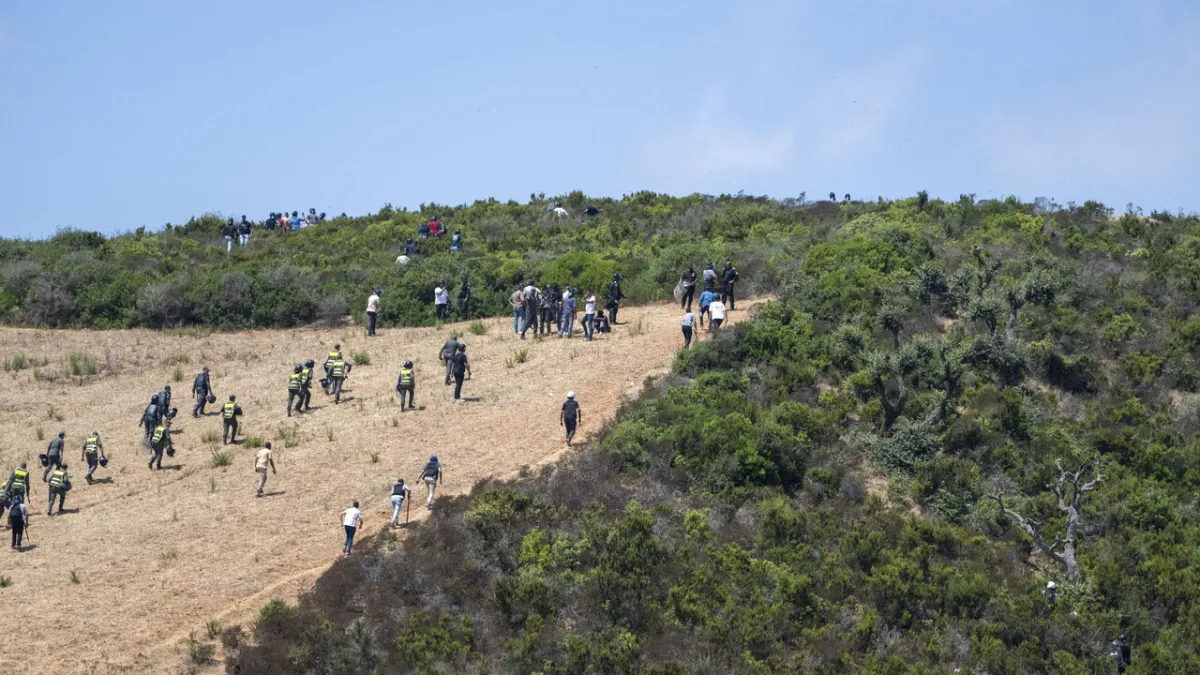
RABAT – Moroccan security forces today, in 2026, successfully repelled hundreds of Sub-Saharan African migrants attempting to forcibly breach the border into the Spanish enclave of Ceuta. The incident, involving the use of tear gas and warning shots, created dramatic tension at the demarcation line, but the mass assault was thwarted.
Tensions escalated as a wave of migrants, mostly young men, tried to overcome high barbed wire fences and border walls. They used makeshift ladders and rudimentary tools to scale the barriers, prompting a rapid response from Moroccan security personnel who were on high alert.
Within hours of the breach attempt, clouds of tear gas billowed over the border, indicating a firm response from the authorities. Physical clashes occurred at several points, resulting in minor injuries to some migrants and security force members.
Ceuta, along with Melilla, are the two Spanish enclaves in North Africa that serve as major flashpoints for illegal migration into Europe. Their geographical position makes them primary targets for thousands of desperate migrants seeking a better life on the continent.
Moroccan authorities consistently affirm their commitment to controlling migration flows. The deployment of forces along the border with Ceuta and Melilla is part of a broader strategy to prevent such incidents, an effort previously noted in reports such as Morocco Strengthens Border! Hundreds of Migrants Confronted Towards Ceuta.
The Spanish government, which administers Ceuta, regularly commends Morocco's cooperation in maintaining the stability of the European Union's external borders. Rabat's role is crucial in containing the intense migratory pressure from the Sub-Saharan region.
These breach attempts reflect the deep desperation among migrants, who often risk their lives on dangerous journeys. Economic and social conditions in their home countries, coupled with hopes for opportunities in Europe, drive them to take extreme measures.
Human rights groups continue to voice concerns over the treatment of migrants at the border, calling for a more humane approach and long-term solutions to address the root causes of migration. They urge that the basic rights of migrants be respected, regardless of their legal status.
Incidents like this are not isolated. The history of the Ceuta border is filled with mass breach attempts that often end violently and tragically. Strengthening border fortifications, as discussed in the article Ceuta, Europe's Fortress: Large Wave of Moroccan Migrants Successfully Repelled, remains a key focus for both nations.
Although this latest assault was thwarted, migration pressure is expected to remain high. International organizations predict that factors such as conflict, climate change, and poverty will continue to push more people to seek refuge and opportunities outside their home countries.
Both the Moroccan and Spanish governments face a complex challenge: balancing national sovereignty and border security with international obligations to protect asylum seekers and vulnerable migrants. Dialogue and cross-border cooperation are key to formulating effective and ethical strategies.
Editorial Insight:
This latest incident at the Ceuta border reconfirms the complex and evolving dynamics of global migration. While the interdiction efforts were successful, the event underscores the urgent need for a more comprehensive approach from both the European Union and African nations. Solutions cannot solely rely on physical border reinforcement but must include investment in economic development in migrant-origin countries, clearer legal migration pathways, and robust protection mechanisms. Without such a multi-layered strategy, tensions and humanitarian crises at border points like Ceuta will continue to dominate headlines.