 Gabriella
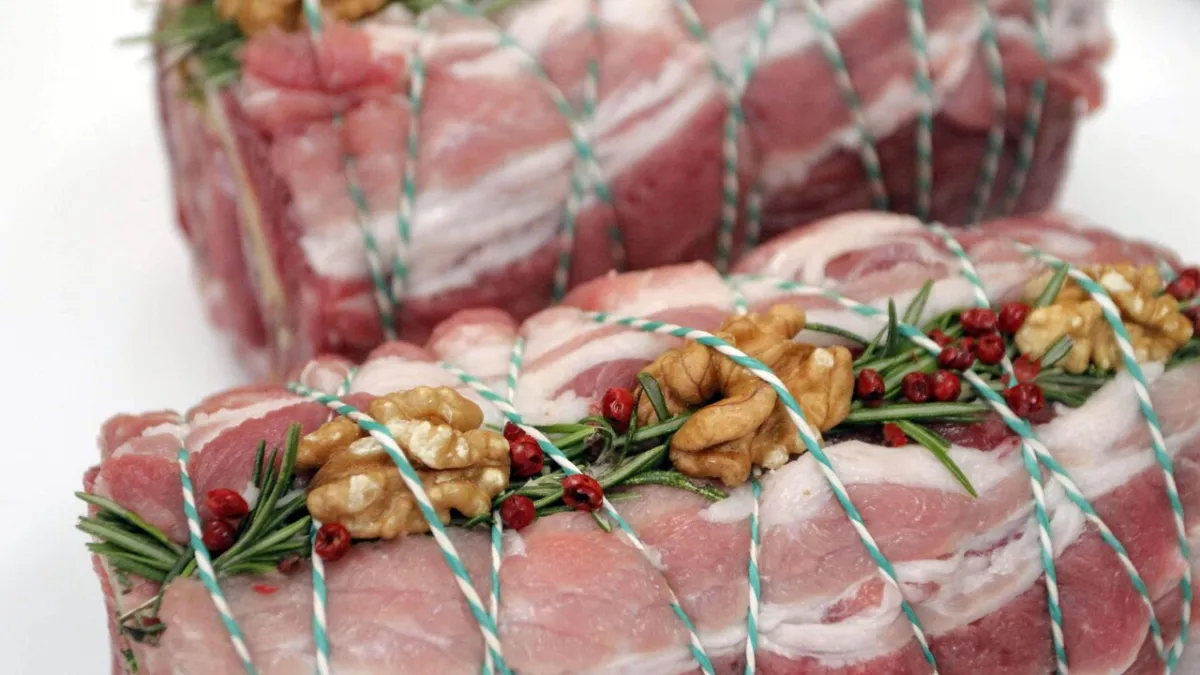
JAKARTA – A groundbreaking recent study revealed that a natural sugar found in red meat, Neu5Gc, significantly increases the risk of type 2 diabetes by up to 63% for regular consumers. The findings, published in the Journal of International Clinical Nutrition, highlight the hidden dangers of excessive red meat consumption to global metabolic health.
A joint research team from leading health institutions across Europe and the United States explained how this specific sialic acid, abundant in mammals but rare in humans, triggers an immune response leading to chronic inflammation. This inflammation acts as a bridge to insulin resistance, the precursor to diabetes.
When humans consume red meat, the body absorbs Neu5Gc. However, since the human body does not naturally produce it, the immune system identifies it as a foreign substance and mounts an attack. This sustained immune response creates a persistent low-grade inflammatory state, damaging pancreatic cells and reducing insulin effectiveness.
This phenomenon is a serious concern given the high rates of red meat consumption in various parts of the world. Populations that make beef, lamb, or pork a staple of their diet are potentially at greater risk of facing this health threat unknowingly.
Professor Dr. Budi Santoso, a nutrition expert from the University of Indonesia, stated, This research provides a new dimension to our understanding of the relationship between diet and diabetes. Not just saturated fats or cholesterol, but specific sugar components like Neu5Gc also need to be monitored. This is a call to re-evaluate dietary recommendations.
Researchers emphasized that this 63% increased risk applies to individuals with high and long-term red meat consumption. The more frequently one consumes large portions of red meat, the greater the accumulation of Neu5Gc in the body and the more intense the inflammatory response.
The implications of these findings are substantial for global public health. Type 2 diabetes is a growing epidemic, burdening healthcare systems and diminishing the quality of life for millions. A better understanding of dietary triggers can be a key to effective prevention.
Nutrition and health experts advocate for diversifying protein sources. Reducing red meat intake and replacing it with plant-based proteins such as legumes, tofu, tempeh, or fish can be a strategic step to minimize Neu5Gc exposure.
Further studies are expected to delve deeper into the molecular mechanisms of Neu5Gc and develop more specific dietary or therapeutic interventions. This includes the potential development of tests to measure Neu5Gc levels in the human body and its immune response.
Public awareness campaigns regarding these findings are crucial. Education on healthy food choices and hidden risks in daily diets can empower individuals to make better decisions for long-term health.
Although red meat is rich in essential nutrients like iron and vitamin B12, imprudent consumption can lead to serious consequences. Balance and moderation remain key principles in maintaining a diet that supports optimal health.
Editorial Insight: These findings underscore the urgency for a paradigm shift in global dietary habits. Governments and health organizations need to consider these Neu5Gc findings when formulating nutritional guidelines. As the complex relationship between food and disease becomes clearer, transparent information and massive public education are vital investments for the future of public health.