 Debby Wijaya
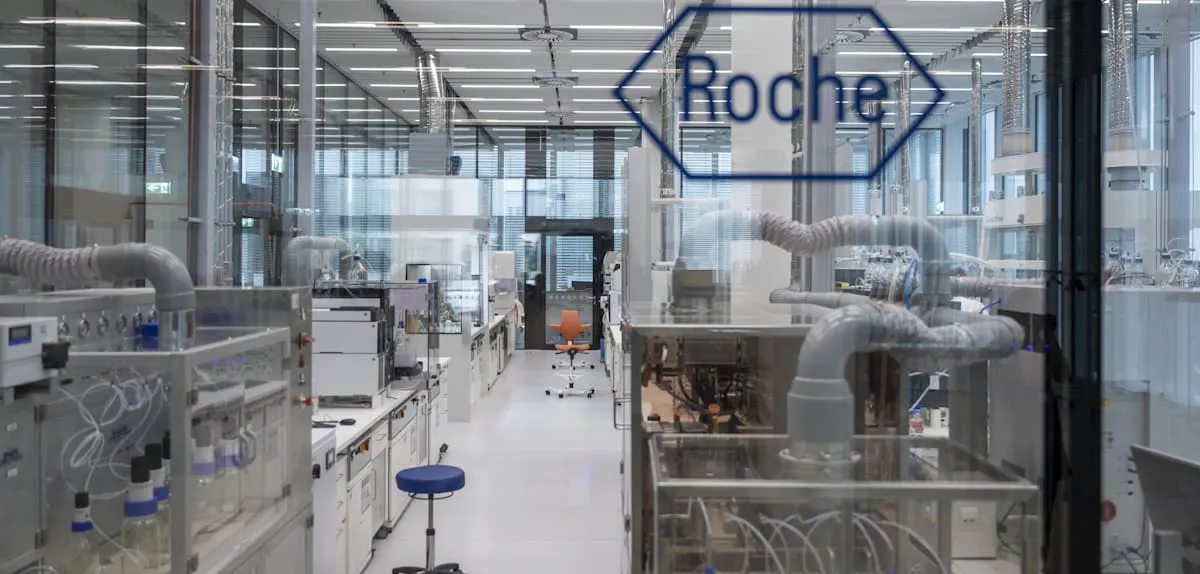
FRANKFURT – Global pharmaceutical giant Roche has surprisingly announced the suspension of all future investments in Germany. This decision, directly revealed by Daniel Steiners, CEO of Roche Germany, has become a sharp focus amidst the country's turbulent political and economic climate in 2026, sparking concerns about further impacts on Germany's industrial competitiveness.
Steiners emphasized that this drastic step is a direct consequence of what he termed a 'political caesura' that has led to significant uncertainty. He highlighted that unstable policies and a lack of predictability are the main factors driving a strategic re-evaluation of investment commitments in the country.
In an exclusive interview, Steiners explicitly stated, 'We have put all future investments in Germany on hold.' This statement is not merely a threat but a reflection of deep corporate frustration with an increasingly challenging operating environment in one of Europe's largest economies.
The investment suspension covers various potential projects, ranging from the development of research and production facilities to infrastructure expansion. The implications are clear: stagnation in job creation and the potential loss of vital innovation for the pharmaceutical and healthcare sectors.
This situation adds to a long list of concerns voiced by various industrial players in Germany. Previously, coffee giant Melitta also reported significant losses, warning the government of serious risks to Germany's business climate. Melitta Suffers Hundreds of Millions in Losses: Industry Issues Stern Warning to German Politics is a clear example of how the private sector demands better political clarity and support.
Steiners explained that the decision to freeze investments was made after thorough consideration. Roche management perceives an urgent need for stability and regulatory clarity to sustainably continue business growth in Germany.
Key criticism is directed at government policies deemed not pro-investment, particularly regarding complex bureaucracy, high energy costs, and a lack of competitive incentives compared to other countries. The volatile political climate also exacerbates the situation, making companies reluctant to take significant risks.
Roche, as a leading global player in the pharmaceutical industry, has a significant operational footprint in Germany. Their decision could trigger a wave of similar reviews from other multinational companies, especially those with large operational bases in Germany.
Nevertheless, Daniel Steiners does not entirely close the door to future investments. He indicated that Roche would consider resuming investments if fundamental changes in German political and economic policies restore investor confidence. 'We will invest again if political and economic conditions become conducive and predictable,' he asserted.
This situation serves as a strong wake-up call for the governing coalition in Berlin. The pressure to promptly formulate more investment-friendly policies and rebuild private sector trust is now more urgent than ever. Without concrete steps, Germany risks losing its position as a global investment magnet.
Editorial Insight:
Roche's decision to halt investments in Germany is not merely an economic headline; it is a serious indicator of eroding investor confidence in the stability and attractiveness of one of Europe's economic powerhouses. Bureaucratic challenges, high operational costs, and regulatory uncertainty, exacerbated by volatile domestic political dynamics, have created an unfavorable environment. The German government, now led by a coalition facing considerable criticism, must swiftly undertake substantial reforms. Failure to respond to these signals could lead to a significant exodus of capital and innovation, with long-term impacts on Germany's economic growth and societal well-being.