 Robert Andrison
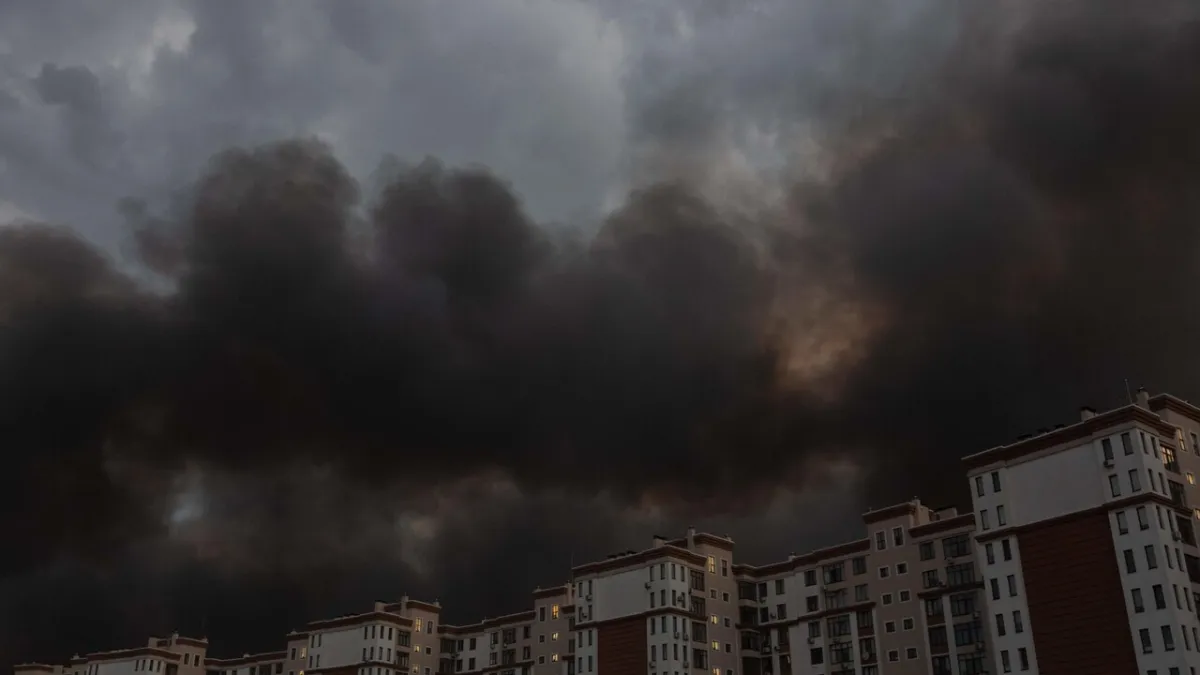
KYIV — A series of Russian missile and drone attacks in the early hours of today rocked Ukraine's capital, Kyiv, killing at least 17 civilians and injuring dozens more. This tragic event coincided with the discovery of an explosive-laden drone at Leipzig airport in Germany, near a Ukrainian transport aircraft, sparking global concern about the escalation of the conflict beyond the war zone.
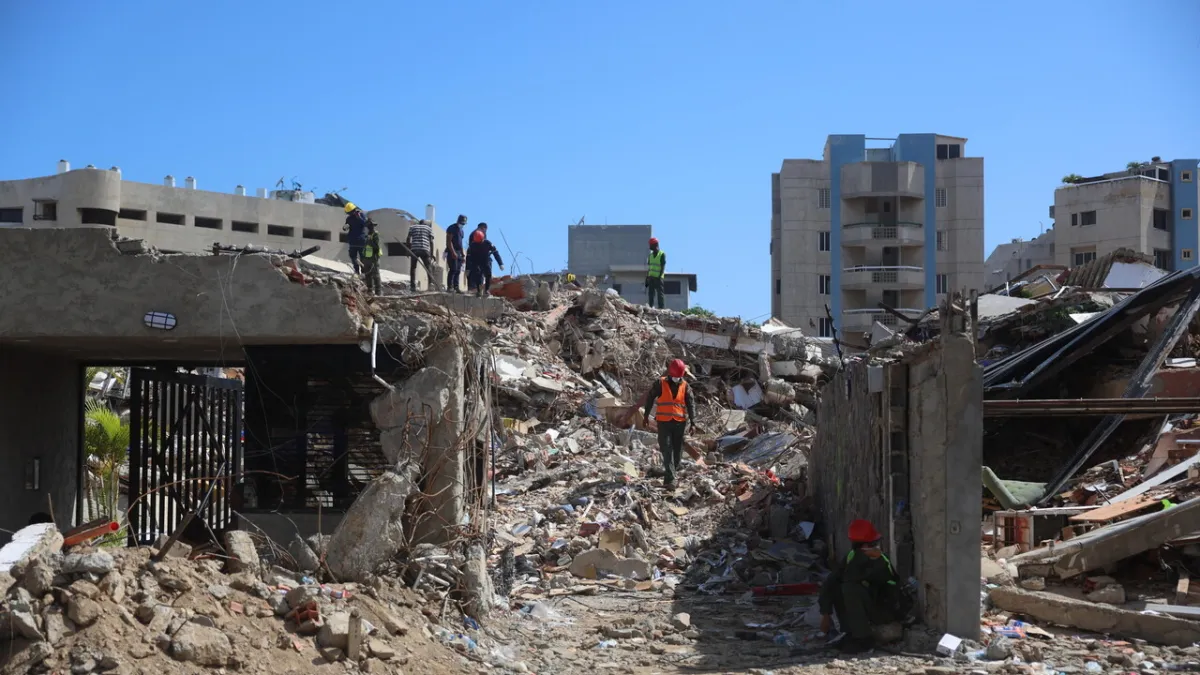
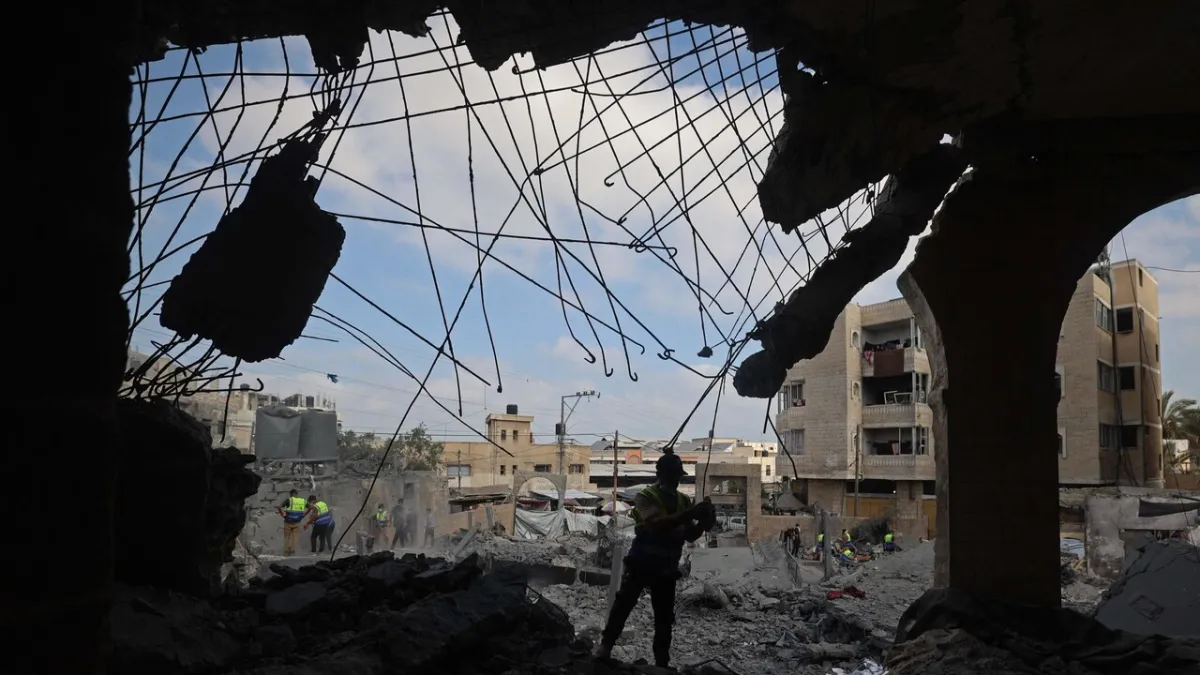
Kyiv residents were awakened by at least six powerful explosions that devastated several districts. Air raid sirens wailed throughout the night, but Ukraine's air defense efforts were insufficient to prevent significant casualties. Local authorities stated that rescue teams are still searching for victims in the rubble of buildings.
President Volodymyr Zelensky, in an emotional statement, expressed profound sorrow. “With adequate interceptor systems, they would still be alive,” he said, highlighting the urgent need for more advanced air defense assistance from international allies. This statement reiterates the immense challenges Ukraine faces in protecting its population.
Meanwhile, Moscow claimed the attacks targeted “logistics centers and arms transport facilities” across Ukraine. A statement from the Russian Ministry of Defense asserted that all military targets were successfully hit, a narrative that contrasts with evidence of civilian infrastructure damage and casualties in Kyiv.
Coinciding with the horror in Kyiv, German security authorities confirmed the discovery of a suspicious drone carrying explosives at Leipzig/Halle airport. The drone was detected near a parking area for a Ukrainian cargo transport aircraft, triggering a partial evacuation of the airport and an intensive investigation by German intelligence agencies.
The discovery in Leipzig raises speculation about the operational range and methods employed in the Russia-Ukraine conflict. The presence of an explosive drone in NATO territory poses serious questions about civilian flight safety and the possibility of sabotage or reconnaissance efforts against Ukrainian assets abroad.
World leaders strongly condemned the brutal attacks on Kyiv. The UN Secretary-General urged all parties to adhere to international humanitarian law and protect civilians. Concurrently, calls for increased military support, particularly air defense systems, are growing louder from many Western nations.
This event is reminiscent of previous escalations where Kyiv's skies were torn apart by Russian ballistic missiles, demonstrating a continuous pattern of attacks against vital infrastructure and civilian populations. This pattern underscores that the conflict continues to rage with alarming intensity.
The use of drones in this conflict, including those claimed to target civilians, has also been a focal point. Previously, reports from the southern front, such as in Kherson, showed a systematic pattern of drone attacks targeting civilians, adding to the long list of alleged war crimes that require investigation.
These dual incidents highlight the complexity and brutality of a conflict entering its third year in 2026. With civilian casualties continuing to mount and the threat extending to non-combat zones, the international community faces the urgency of finding a sustainable peaceful solution, or confronting the consequences of even more severe escalation.