 Angela Stefani
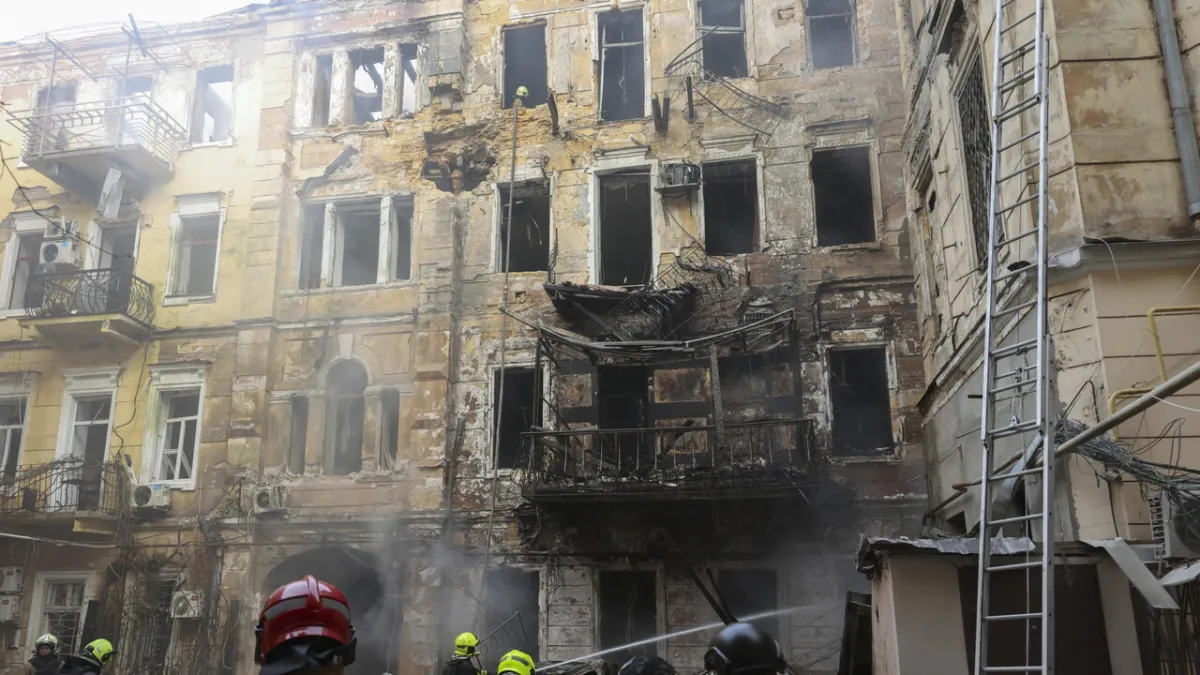
ODESSA – The escalation of the conflict in Eastern Europe has reached a new critical point with a series of reciprocal aerial attacks. The strategic port city of Odessa, Ukraine, was targeted by Russian missile strikes, causing widespread damage to buildings and vital infrastructure. In response, Ukrainian drone attacks reportedly hit Belgorod, Russia, injuring at least 13 people, including two children, marking a new chapter in the alarming tit-for-tat exchanges early in 2026.
The attack on Odessa triggered air raid sirens blaring across the city. Residents reported hearing loud explosions and seeing plumes of smoke rising from several locations. Ukrainian authorities swiftly moved to document the damage and begin rescue efforts in the affected areas.
Civilian facilities, including residential buildings and transportation networks, are reported to have sustained significant damage. Initial details indicate that several apartment units were destroyed and roads were cut off, complicating evacuation and humanitarian aid efforts.
Shortly after, reports from the Russian side of the border confirmed retaliatory attacks. Belgorod, a Russian city close to the Ukrainian border, became the target of a barrage of drone strikes. This incident caused panic among residents and forced local authorities to take emergency measures.
Medical sources in Belgorod confirmed that 13 individuals required treatment, two of whom were children who sustained injuries in the incident. Material damage to several buildings was also reported, though the extent of the damage is still under further investigation.
These reciprocal attacks underscore the intensifying proxy war between the two nations. Global military analysts are observing this pattern of escalation, particularly the increasingly sophisticated use of drones in modern conflict, reminiscent of similar incidents such as the Mystery of Drones Over Secret German Bundeswehr Base Uncovered some time ago.
The international community immediately called for de-escalation and the protection of civilians. The UN Secretary-General urged both parties to exercise restraint and adhere to international humanitarian law, highlighting the rising number of innocent victims in this conflict.
Global concerns about the potential for wider conflict continue to loom, especially given previous statements regarding troop mobilization, such as Ukrainian President Volodymyr Selenskyj's revelations about Putin's secret mobilization eyeing Europe.
The humanitarian situation in the conflict zones is worsening. International aid organizations are struggling to provide essential supplies and medical support to those directly affected by the attacks. Fears of new waves of displacement are also emerging as the threat of continued attacks persists.
This prolonged conflict not only destroys physical infrastructure but also leaves deep psychological scars on communities living in fear and uncertainty. Hopes for peace seem increasingly distant amidst the escalating dynamics of war in the region.
Editorial Insight:
The latest attacks in Odessa and Belgorod confirm that the Ukraine-Russia conflict is far from over, instead showing alarming signs of escalation. The reciprocal use of missiles and drones indicates increasingly bold and high-risk military strategies, with direct impacts on civilian populations. This situation demands a firmer and more coordinated diplomatic response from the global community to prevent a larger spiral of violence and accelerate efforts to find a sustainable peaceful solution. Without significant intervention, casualties and infrastructure damage will continue to mount, exacerbating the humanitarian crisis in the heart of Europe.