 Gabriella
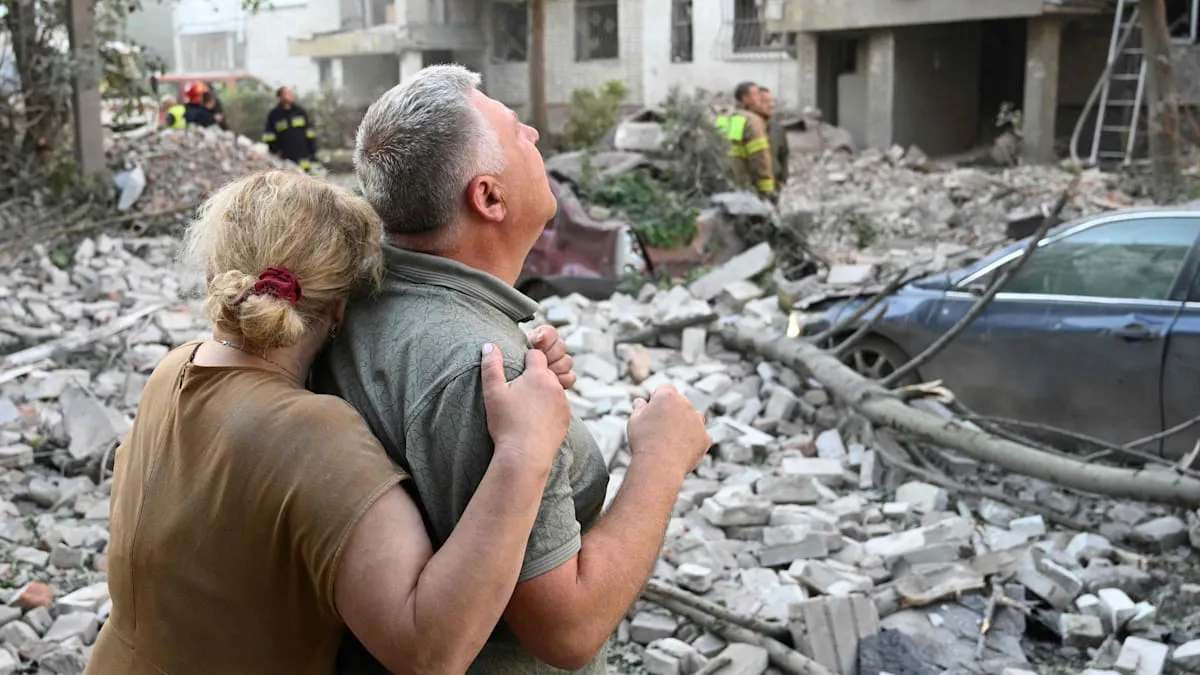
KYIV — Ukraine once again experienced massive Russian military strikes throughout the night, leading to a drastic increase in the conflict's intensity. This wave of aerial bombardments targeted various crucial regions, seemingly aiming to cripple the country's defense capabilities and civilian life. According to correspondent Christoph Wanner, this strategy aims to 'take the oxygen from the opponent', signifying Russia's effort to fundamentally weaken Ukraine.
The brutal attacks that occurred early this morning not only targeted military facilities but also vital energy infrastructure and densely populated residential areas. Air raid sirens blared in major cities, including Kyiv, Kharkiv, and Odesa, forcing millions of citizens to seek shelter in bunkers and metro stations.
The intensity of these attacks, according to initial analyses by European defense experts, indicates a more planned and coordinated pattern. The large-scale use of cruise missiles and Shahed drones suggests Russia's attempts to penetrate Ukraine's air defense systems, which have been bolstered by international aid.
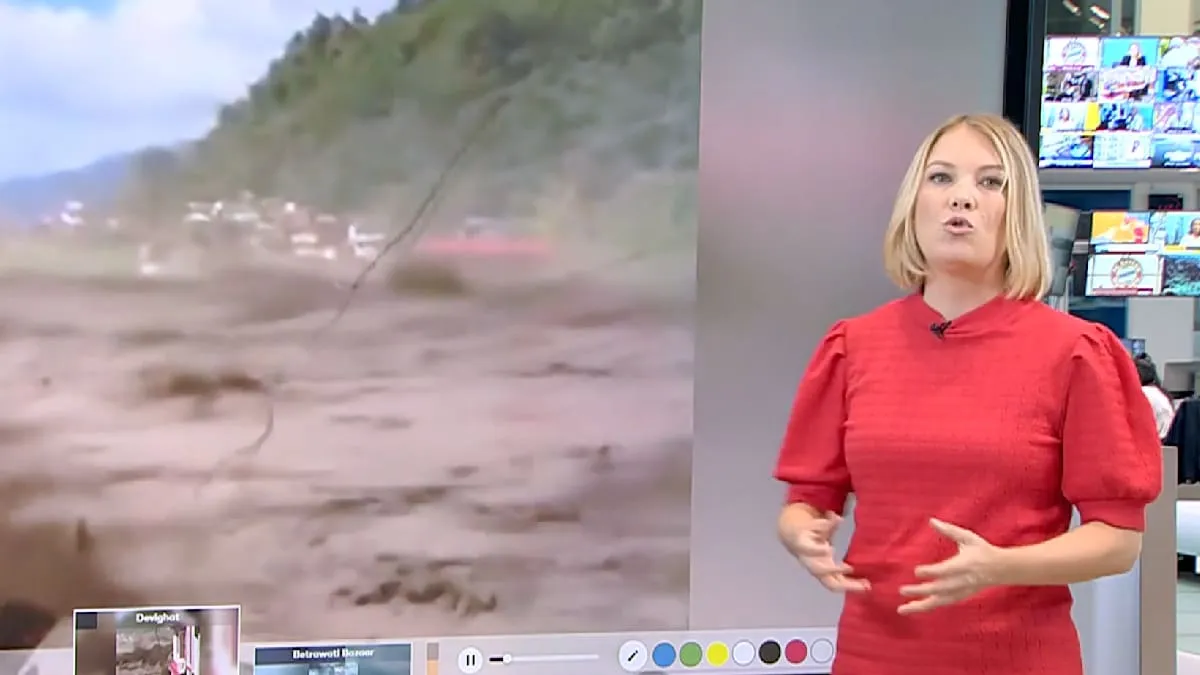
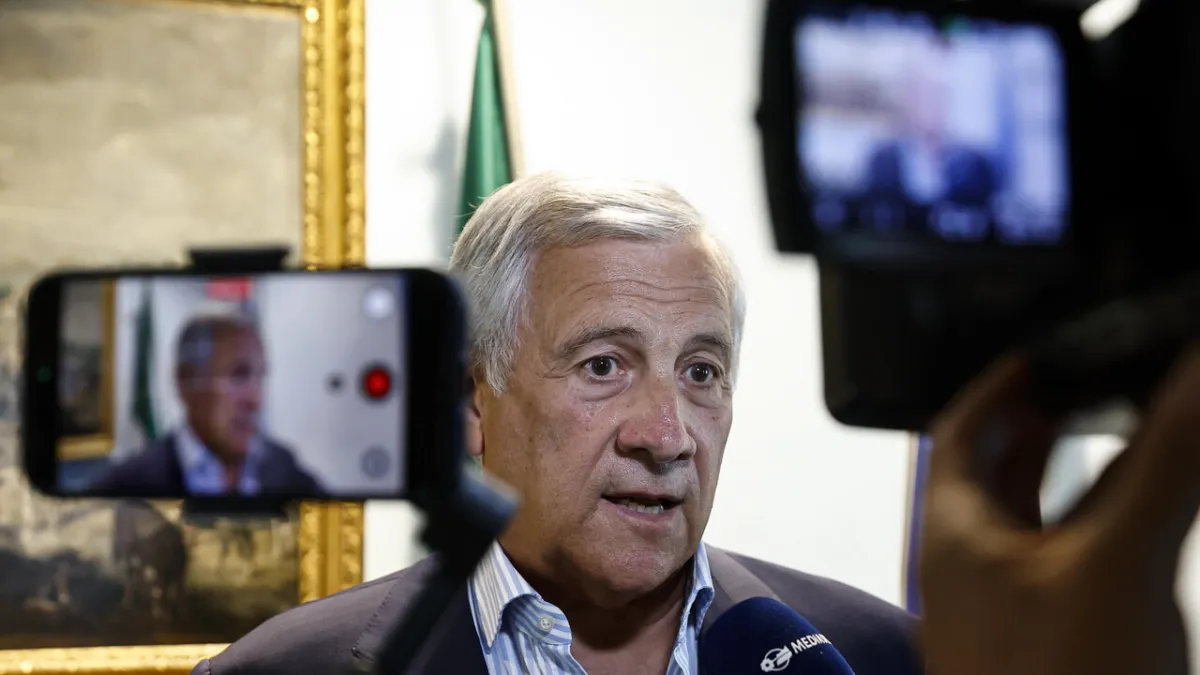
Christoph Wanner, a senior correspondent reporting directly from the conflict zone, affirmed that the situation on the ground is 'getting more intense, getting worse'. His statement reflects the grim reality that this years-long conflict continues to find new ways to inflict suffering and destruction.
The phrase 'taking the oxygen from the opponent', as mentioned by Wanner, is not mere rhetoric. It reflects Russia's strategy to cut off logistics routes, destroy command centers, and erode the morale of the Ukrainian population. The direct consequences include widespread power outages, disruptions to water supply, and severed communication access in some areas, paralyzing basic city functions.
The Ukrainian government, through a spokesperson for the Ministry of Defense, strongly condemned this aggression as an act of state terrorism. They called upon the international community for greater support, particularly in air defense systems and long-range missiles, to protect civilians from the incessant attacks.
This is not the first time Ukraine has faced such bombardments; previous reports also indicated escalation, such as in the news Ukraine Mourns: Eight Dead Including Two Toddlers, Moscow Claims Military Targets, which highlighted civilian casualties. This situation continues to worsen and raises serious concerns about a deeper humanitarian crisis across the country.
Global concerns are escalating, given previous incidents where Russian Missiles Violated Polish Airspace, signaling the potential for broader regional conflict. That incident served as a bitter reminder of how thin the line is between local conflict and regional catastrophe.
Amidst the darkness and uncertainty, the spirit of resistance among the Ukrainian people remains strong. Volunteers tirelessly work to assist victims, while emergency teams rush to repair damaged infrastructure. Internal solidarity serves as the last bastion against the relentless onslaught.
In response to this situation, NATO and allied nations continue to monitor closely, similar to the heightened alert reported in Russian Attacks Rock Ukraine: Casualties Rise, Poland on Jet Fighter Alert. World leaders are scheduled to hold an emergency meeting to discuss responsive measures to this escalating conflict.
Geopolitical analysts predict that without significant diplomatic intervention and stronger international pressure, the spiral of violence in Ukraine will continue. This condition has the potential to undermine security stability across the European continent for years to come, with unpredictable consequences for energy markets and global supply chains.
The situation in 2026 indicates that despite various negotiation efforts, the Russia-Ukraine conflict is still far from a resolution. Every new attack not only adds to the casualty list but also deepens national wounds and prolongs the suffering of millions of lives trapped in the vortex of war.