 Chris Robert
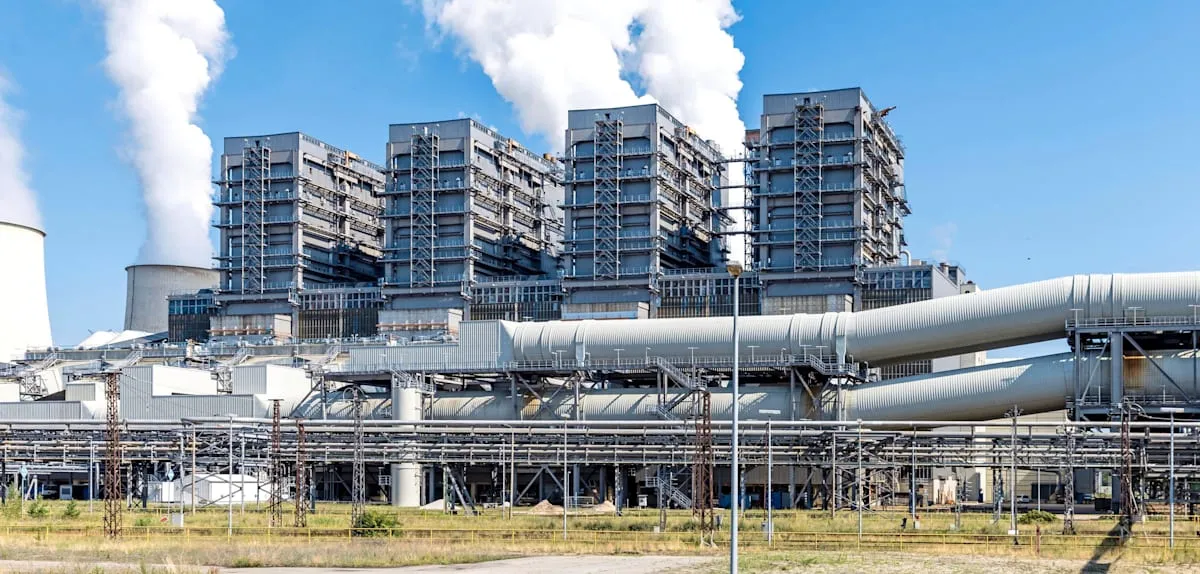
Jaenschwalde – Confidential reports obtained by leading media outlet WELT now reveal in detail the mechanism behind the sabotage act that crippled a block of the Jaenschwalde Power Plant. This incident, involving the use of homemade rockets and simple copper wires, highlights the vulnerability of critical energy infrastructure in Germany.
The meticulously planned operation successfully incapacitated a significant generating unit at the Jaenschwalde facility. Data from internal reports confirms that the perpetrators used relatively primitive yet effective equipment to achieve their objective.
These previously unpublished confidential documents outline how the perpetrators utilized copper wire as the primary conductor in the operation. The use of such basic materials indicates that the attack planners did not require sophisticated technology to cause significant disruption.
Furthermore, the reports also mention the role of analog clocks in this sabotage scenario. The presence of analog clocks suggests a delay system or a timed trigger designed to coordinate the attack or to ensure the perpetrators had time to escape before the full impact of their actions materialized.
The Jaenschwalde Power Plant, one of the country's largest electricity generation facilities, suffered significant operational losses following the incident. The economic and national energy security implications became a central focus after the details of this operation came to light.
German security authorities are intensively investigating the background and motives behind this attack. The investigation not only focuses on identifying the perpetrators but also on efforts to prevent the recurrence of similar incidents in the future, especially concerning other vital infrastructure.
This event has reignited discussions surrounding cybersecurity and physical security standards at strategic energy facilities. Concerns have emerged about how seemingly small-scale attacks can have widespread consequences for energy supply.
Security experts believe that the methods employed in the Jaenschwalde sabotage could set a dangerous precedent. The easy access to materials and relatively basic techniques allow for the potential replication of such attacks by other parties.
The German government is expected to take concrete steps to strengthen the defenses of its energy infrastructure immediately. Revitalization of security protocols and investment in more advanced surveillance technologies are urgent necessities.
This incident underscores that threats to critical infrastructure do not always stem from complex cyberattacks but also from simple yet carefully planned physical methods.
Editorial Insight: The revelation of the Jaenschwalde Power Plant sabotage details through confidential reports highlights a serious security gap in Germany's energy infrastructure. The fact that perpetrators managed to use basic tools like copper wire and analog clocks to cripple a vital facility should serve as a stark warning to all nations. This event underscores the urgency of not underestimating the threat from conventional attack methods and fundamentally re-evaluating strategies for protecting critical infrastructure from a full spectrum of threats.