 Debby Wijaya
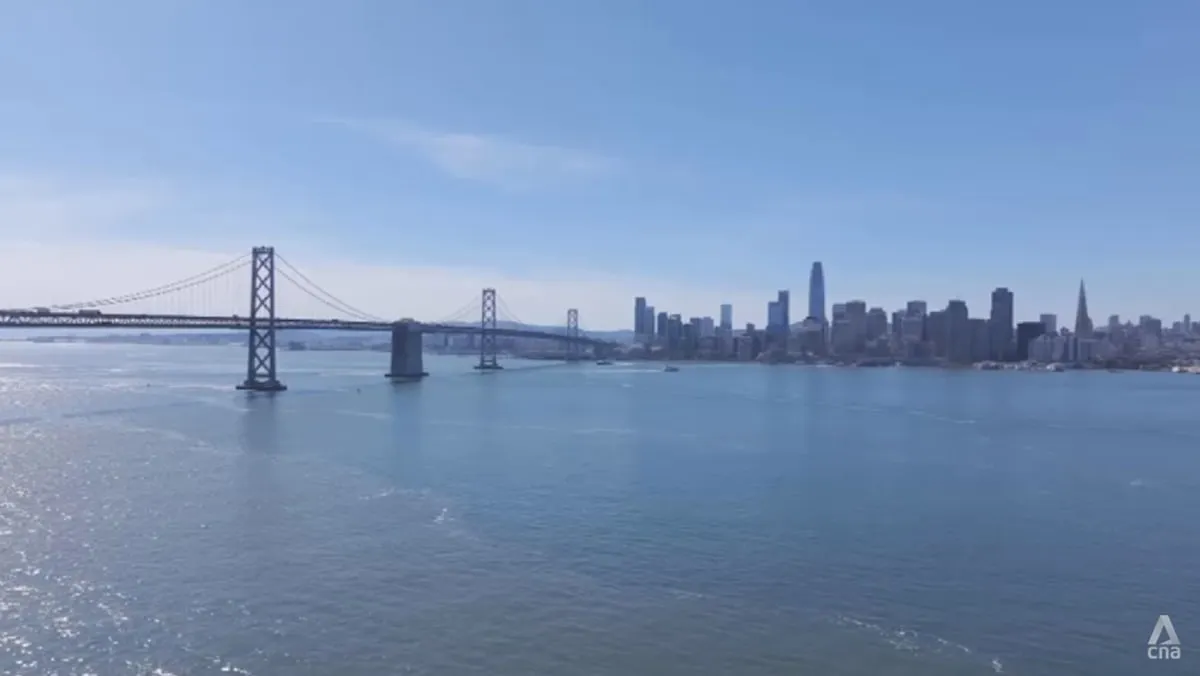
SAN FRANCISCO – Amidst global concerns over the impacts of climate change, the San Francisco Bay area in 2026 is aggressively promoting wetland restoration programs as a natural defense fortress against the serious threat of rising sea levels. This monumental initiative, a crucial part of global coastal adaptation, highlights innovative efforts in the United States to leverage the power of ecosystems to protect millions of residents and vital infrastructure from environmental catastrophe.
The threat of rising sea levels is no longer speculation, but an urgent reality for coastal cities worldwide, including San Francisco. Scientists predict that without significant intervention, large parts of coastal areas will be submerged or face increasingly severe flooding. Therefore, natural defensive strategies are becoming increasingly popular, offering sustainable solutions compared to constructing giant concrete walls.
This restoration project focuses on restoring salt marsh and wetland ecosystems that once dominated the San Francisco Bay landscape. Historically, thousands of acres of wetlands have been lost due to reclamation and development, leaving the area vulnerable. By reinstating these ecosystems, it is hoped that a natural buffer zone will be created, capable of absorbing storm surges and high tides, while also reducing coastal erosion.
The ecological functions of wetlands extend far beyond physical defense. These ecosystems play a vital role as natural filters, cleansing pollutants from water, and providing essential habitats for diverse species of flora and fauna, including migratory birds and marine fish. This restoration indirectly contributes to an increase in biodiversity and the overall health of the bay's ecosystem.
Although promising, the restoration process is not without its challenges. The availability of suitable land, sustainable funding, and coordination among various government and private agencies are key. Furthermore, sediment and salinity dynamics must be carefully managed to ensure that the newly restored wetlands can thrive and function optimally in the long term.
Local community participation and public support are determining factors for the success of such projects. Various environmental organizations and volunteers are actively involved in planting native vegetation and monitoring the condition of the restored wetlands. Public education about the importance of these ecosystems is also continuously promoted to foster collective awareness.
Environmental experts, such as Dr. Lena Halvorsen from the California Coastal Ecological Research Institute, express optimism about this approach. Wetland restoration is a smart investment for the future. It's not just about protecting the coastline, but also about restoring the balance of nature that has long been disturbed, she stated in an exclusive interview.
Similar efforts have also been observed in various parts of the world, demonstrating that nature-based solutions are effective climate change adaptation strategies. However, the global challenge of climate change remains immense. The failure of global negotiations such as at COP31 indicates that collective commitment must continue to be strengthened.
Recent data from oceanographic studies also show that global ocean warming triggers significant changes in marine ecosystems, including increased aggressiveness in certain species. This context further underscores the urgency of comprehensive mitigation and adaptation, not only on land but also in the oceans.
Editorial Insight: The San Francisco Bay wetland restoration project marks a paradigm shift from hard engineering approaches to nature-based solutions in confronting the climate crisis. Its success will serve as an important model for other coastal regions worldwide. However, the scale of the rising sea threat demands more than just local restoration; it requires unwavering global commitment to reduce emissions and invest in innovative adaptation.