 Dorry Archiles
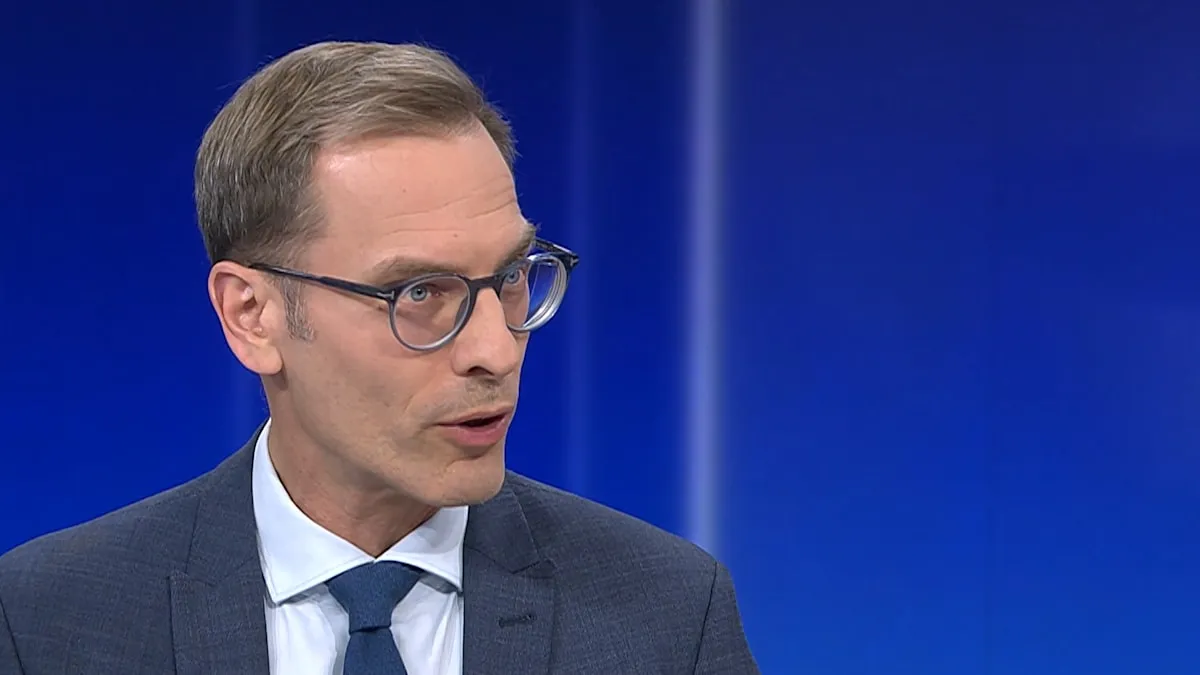
BERLIN – The internal political dynamics of Germany's Social Democratic Party (SPD) are in turmoil following the withdrawal of Barbel Bas, a figure previously considered by many. This change in constellation has significantly elevated Manuela Schwesig, the Minister-President of Mecklenburg-Vorpommern, as the frontrunner for party leadership. Recent analysis from Jan W. Schafer, Bild's Head of Politics, indicates that all eyes are now on Schwesig, while Lars Klingbeil, one of the current SPD co-chairs, faces a tough challenge to retain his position.
Barbel Bas's decision to withdraw from the leadership race created a significant vacuum and inevitably altered the competitive landscape. Internal party sources indicate that Bas's move was based on careful personal considerations, though political speculation continues to circulate regarding its strategic impact on the SPD's future.
Jan W. Schafer articulated his view directly. He stated, Everything is now pointing towards Schwesig as party chairwoman – for Klingbeil, it will now be a tough race. This statement underscores Schwesig's dominant position in the increasingly intense party leadership contest.
Manuela Schwesig, with her solid track record as a state Minister-President, commands a strong base of support. Her leadership in Mecklenburg-Vorpommern has often been praised for its stability and ability to maintain coalitions, making her a credible figure in the eyes of the public and fellow party members. She is known as a skilled negotiator and possesses a deep understanding of both regional and national issues.
Schwesig's charisma and experience provide a significant advantage. Internal polls and public surveys indicate an increase in her popularity, making her an appealing choice for party members seeking a new, more decisive and consistent direction for the SPD amidst Germany's evolving political landscape. Related articles on the fierce German pension debate show how SPD policies continue to be under scrutiny.
Conversely, Lars Klingbeil, who currently serves as one of the SPD's co-chairs, faces a much more formidable task. Although he has endeavored to navigate the party through difficult periods, the narrative of a tough race suggests he must work extra hard to convince party members that he is the best choice going forward. This internal party leadership dynamic is always a focus, as seen in previous news about Alexander Schweitzer's return, also an SPD figure.
This competition is expected to be one of the most interesting periods in contemporary SPD history. Political observers are eagerly anticipating how both camps will implement their strategies in vying for this strategic position, which will largely determine the party's direction ahead of the upcoming federal elections.
Some factions within the SPD may have different preferences, but a general consensus is beginning to form that a strong leader capable of unifying various views within the party is sorely needed. Robust leadership is essential to address challenges such as political polarization and complex global economic issues.
This transition period will also be a test for the SPD's cohesion, especially after a series of fluctuating election results in several states. Choosing the right leader will be crucial to restoring voter confidence and strengthening the party's position in the national political arena. External challenges like internal party scandals, as highlighted in the news about the SPD Hannover official bribery scandal, also serve as valuable lessons.
Klingbeil and Schwesig will likely present their visions and missions in a series of internal party forums. These debates and presentations will be crucial opportunities for them to convince the party's voter base of their capacity and commitment to lead the SPD towards a brighter future.
Editorial Insight: This power shift within the SPD marks a new chapter for Germany's oldest party. The emergence of Manuela Schwesig as a favorite is not merely a change of figures but a potential significant shift in the party's strategy and policy direction. If Schwesig successfully assumes the chair position, she is likely to bring a more pragmatic approach while remaining rooted in social democratic values. This could strengthen the SPD's position within the coalition and have a broader impact on federal policies, particularly in social and economic issues, in the years to come.