 Chandra Wijayanto
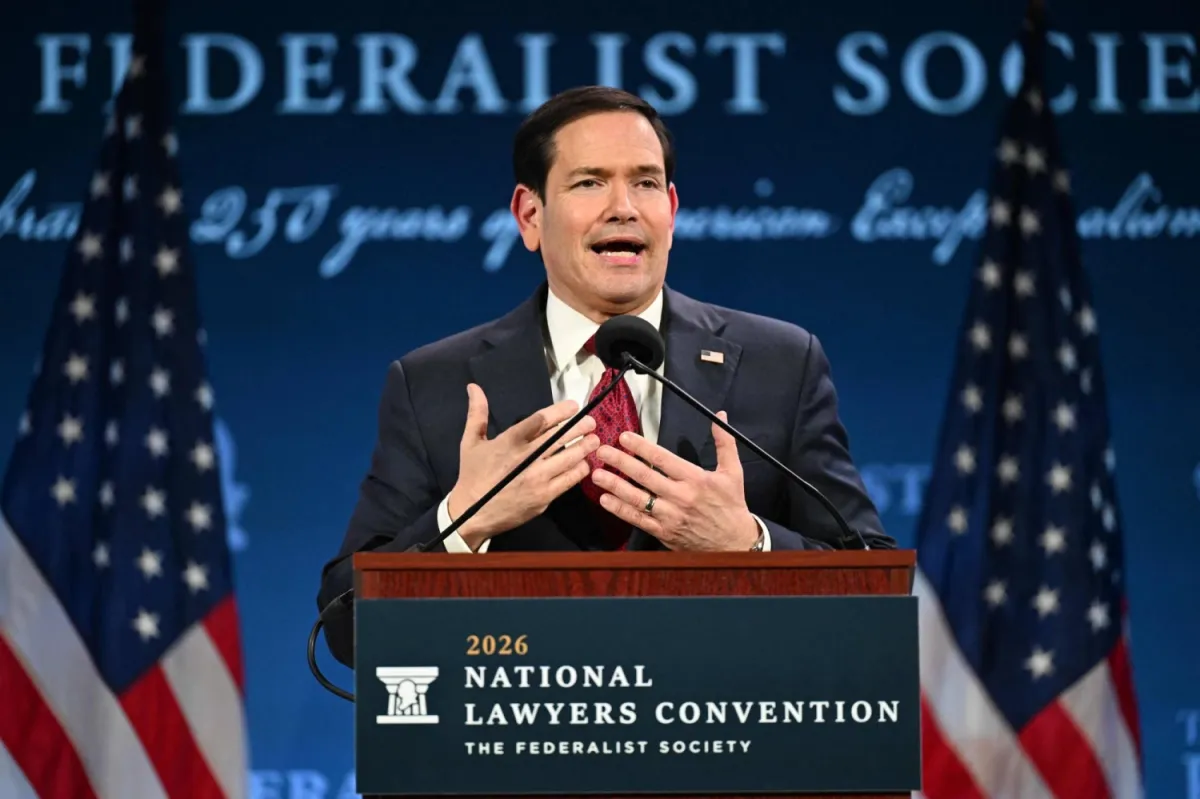
WASHINGTON – United States Senator Marco Rubio recently launched a sharp attack on the International Criminal Court (ICC), warning the global legal institution not to attempt to enforce rules expressly unrecognized by Washington. This controversial statement sparked a fierce debate over national sovereignty and the enforcement of international law, particularly amidst the geopolitical tensions of 2026.
Rubio, a seasoned Republican politician, issued a stern warning to the ICC, stating, 'Do not quote laws to men with swords.' This phrase vividly highlights the United States' skeptical view of the ICC's ability and legitimacy to prosecute US citizens or its allies on issues considered matters of sovereignty.
Senator Rubio's criticism extends a long history of US distrust and rejection of the ICC's jurisdiction. Since its inception through the Rome Statute, the US has refused to ratify it, expressing concerns that the court could be politically wielded to target US military personnel or officials without adequate oversight. This position has been maintained by several presidential administrations, including the current one led by President Donald Trump.
The International Criminal Court, based in The Hague, Netherlands, was established to prosecute individuals responsible for the most serious crimes of international concern: genocide, war crimes, crimes against humanity, and the crime of aggression. Its mandate is to ensure that those who commit these atrocities do not escape justice, especially when national legal systems fail or are unwilling to act.
Rubio's challenging statement undoubtedly has significant implications for the United States' relationship with the ICC and the international legal order as a whole. It could deepen the rift between Washington and other nations that are members of the ICC, which view the court as a crucial pillar of global justice.
Some international analysts interpret Rubio's stance as a reaffirmation of the 'American exceptionalism' doctrine, where the US perceives itself as having a unique position on the world stage that sometimes places it outside the jurisdiction of certain international bodies. This assertion underscores the complexity of balancing national interests with commitments to universal principles.
Conversely, proponents of the ICC argue that no nation, no matter how wealthy or powerful, should be above the law. They believe that the rejection of ICC jurisdiction by major powers can undermine the court's capacity to deliver justice and set a dangerous precedent for global accountability.
Rubio's move can also be interpreted as a broader signal from President Donald Trump's administration, known for its skeptical approach to multilateral institutions and international agreements. The 'America First' policy often prioritizes domestic interests over global cooperation, creating tensions with many trading partners and traditional alliances.
In 2026, amidst an ever-volatile geopolitical landscape, the issue of sovereign boundaries and the reach of international law becomes increasingly relevant. From regional conflicts to trade disputes, the role of bodies like the ICC often stands at the crossroads of power politics and the demands of universal justice.
Regardless, Senator Rubio's sharp attack on the ICC confirms that the debate over the United States' role in the global order, particularly concerning the enforcement of international law, is far from over. This is a discussion that will continue to shape the dynamics of international relations in the coming years.
Editorial Insight: Senator Rubio's statement is more than just ordinary political rhetoric; it is a manifestation of the fundamental tension between superpower sovereignty and the ideals of global justice. The consistent US stance of rejecting the ICC, now amplified by Rubio's vocal declaration, has the potential to create further legal uncertainty and challenge the credibility of international institutions. It could also signal to other nations to reassess their commitments to global legal frameworks, ultimately eroding the foundations of international governance.