 Dodi Irawan
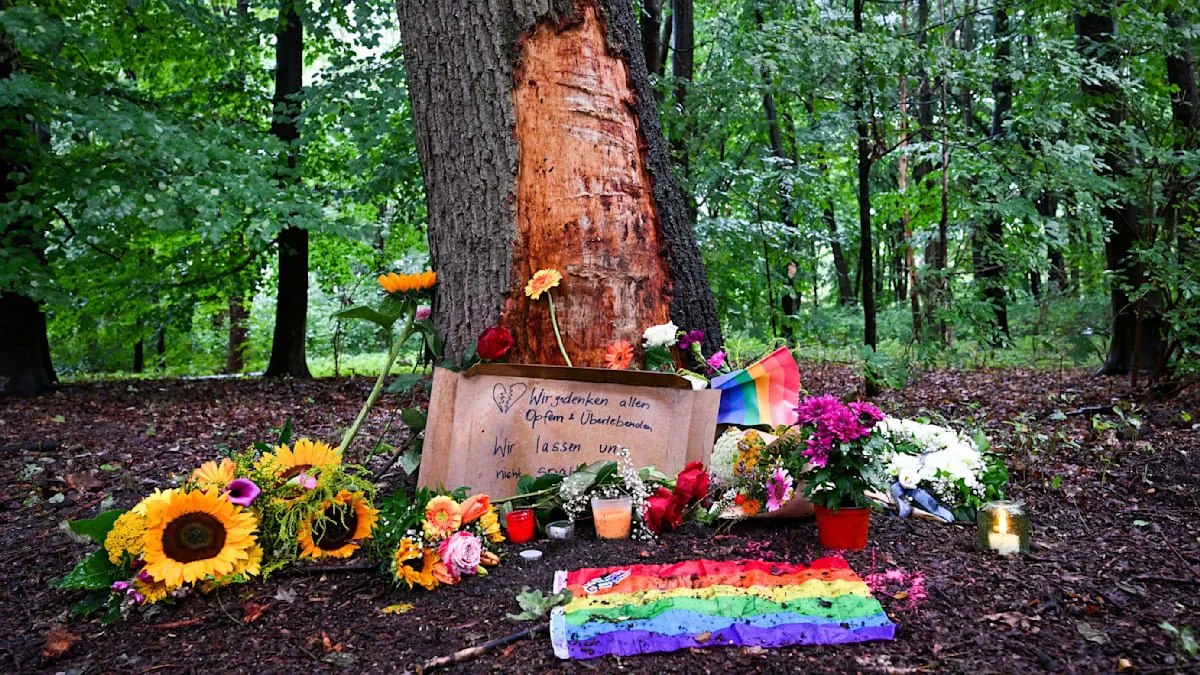
BERLIN — Following a brutal Islamist-motivated attack that shook the Christopher Street Day (CSD) event in Berlin in 2026, a wave of demands for more stringent legal consequences from the German government is now gaining momentum. The tragic incident has sparked a serious debate about the state's approach to extremist threats, urging an end to the complacent attitude towards the danger posed by radical groups.
This horrific event, where a deadly van rammed into a crowd, killing one person, has once again highlighted Germany's security vulnerabilities. Initial investigations indicate a deep-seated radical motive, prompting the public to question the effectiveness of existing counter-terrorism measures. The German public and political leaders are now demanding transparency and tangible action.
"It is time we stop underplaying the Islamist danger," stated a senior security official, who wished to remain anonymous, emphasizing the urgency of policy change. This statement reflects public sentiment that the government has been too lenient in confronting extremist ideologies continuously evolving across Europe.
The threat of Islamism has long been a concern in Germany, but the 2026 CSD attack marked a turning point that shook collective consciousness. Terrorism and security expert, Prof. Dr. Klaus Richter from the University of Hamburg, had previously warned that perpetrators of the 2026 Berlin attack exploited weaknesses in the surveillance system.
Calls for reviewing counter-terrorism laws are becoming increasingly vocal. Many parties urge authorities to tighten surveillance on individuals identified with radical tendencies, even without specific attack planning indications. This includes increasing resources for intelligence agencies and the police.
Beyond legal tightening, discussions also focus on long-term preventive measures. Deradicalization programs, social integration, and education are considered crucial to curb the spread of extremist ideologies, especially among youth. However, the effectiveness of these programs remains a major question amid the surge of online radicalization.
The German security scandal involving a suspected CSD terrorist who was free before the incident adds to the problem's complexity. The public questions how someone on the intelligence radar could evade strict surveillance, ultimately leading to tragedy. This incident strengthens the argument for comprehensive reform.
German Interior Minister, Anja Winter, who assumed office in early 2026, has committed to a comprehensive evaluation of all security protocols. She asserted there would be no tolerance for negligence endangering citizens' lives. This statement is expected to somewhat alleviate public anxiety.
Germany has also tightened its borders, particularly in areas deemed vulnerable, as a rapid response to the attack. This measure aims to prevent the potential entry of new threats or the escape of perpetrators if a network is involved. However, this tightening sparks debate about the balance between security and individual freedom.
Although the main fugitive of the Berlin CSD terror attack was shot dead by police in Spandau during a SEK operation, discussions on the root causes and future prevention remain intense. The perpetrator's death closes one chapter of the investigation but does not necessarily end the larger threat.
Leaders of Germany's LGBTQ+ community voiced deep concerns for their safety. CSD, meant to be a celebration of diversity and inclusion, is now stained by an act of terror. They demand better protection and assurance that such an event will not happen again.
This incident is not only a blow to the LGBTQ+ community but also to Germany's image as an open and tolerant country. Many fear that this attack could fuel anti-immigrant sentiment and strengthen populist parties that often capitalize on security and immigration issues.
Professor Richter from the University of Hamburg had also previously warned of the danger of Islamism lurking in Germany, with CSD security becoming a focus. These warnings now feel increasingly relevant and urgent.
The German government faces the arduous task of restoring public trust and effectively combating terrorism. The consequences of the 2026 CSD attack will shape the national security policy landscape for years to come, demanding a more comprehensive, decisive, and uncompromising approach to extremism.