 Dorry Archiles

TARANTO – The heartfelt plea of a sick teenager in Taranto, Italy, has resonated widely after he wrote an open letter questioning the Governor of Puglia, Michele Decaro, regarding the continued operation of the Ex Ilva steel plant in 2026. Andrea, the 13-year-old, who is also part of an environmental litigation group, directly challenged the governor, asking, “Why do you want to keep this 'monster' open?” a poignant query reflecting deep community concerns over health and environmental impacts.
- 13-year-old Andrea suffers from an illness linked to industrial pollution.
- An open letter was addressed to the Governor of Puglia, Michele Decaro, in 2026.
- The core question: Why is Ex Ilva, considered a 'monster' of pollution, allowed to remain operational?
- Andrea is part of an environmental litigation group against the plant.
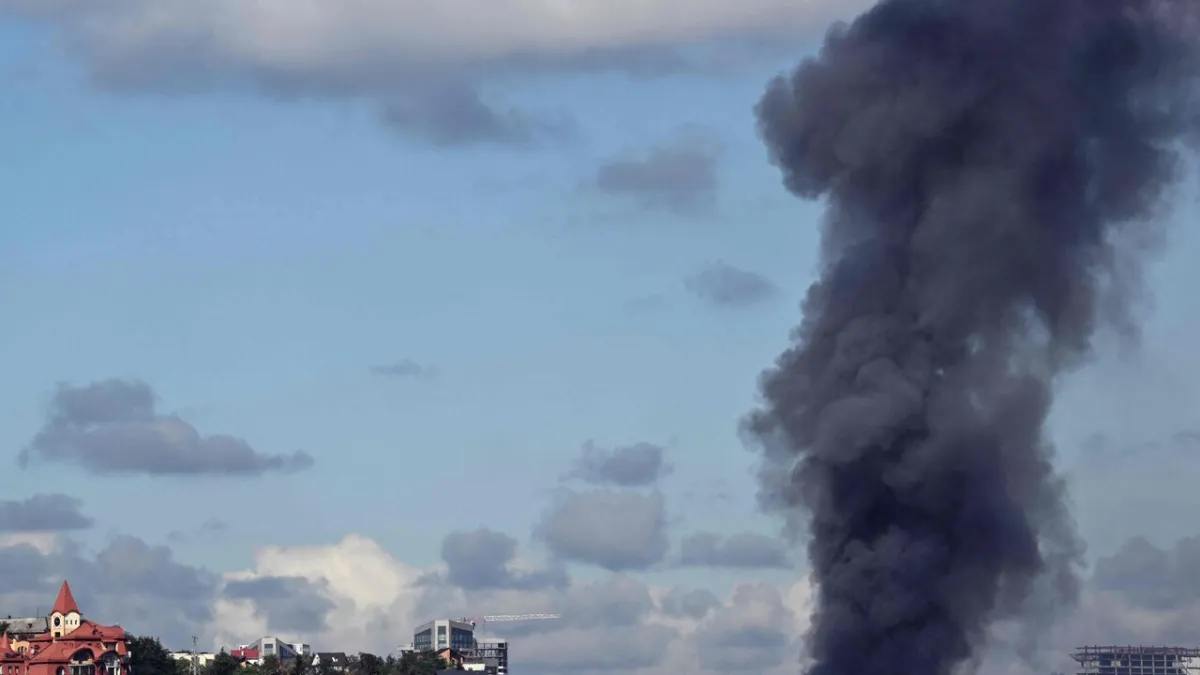
The letter, which quickly spread and garnered public attention, highlights Andrea's personal struggle with illness. He is not just a child, but a voice from a generation threatened by the legacy of heavy industry. Ex Ilva, once one of Europe's largest steel plants, has long been a symbol of economic progress as well as a distressing source of pollution.
The Taranto steel hub has repeatedly been at the center of controversy regarding pollutant emissions detrimental to health. Numerous scientific studies link the high incidence of respiratory diseases and cancer in the region to the plant's existence. Despite modernization and mitigation efforts, public concern has never waned.
Andrea, as one of the plaintiffs in the environmental case against the plant, demonstrates extraordinary courage. His action is not merely a personal complaint, but a representation of hundreds, even thousands, of Taranto residents who feel their right to a healthy environment has been violated.
Governor Michele Decaro, as the regional head of Puglia, finds himself in a dilemma. On one hand, the Ex Ilva plant is an economic backbone for many families in Taranto, providing thousands of jobs. On the other hand, public pressure and scientific evidence regarding health and environmental impacts are growing stronger.
This challenge from Andrea compels authorities to re-evaluate priorities. Must economic development always come at the expense of public health and environmental sustainability? This fundamental question frequently becomes a fierce debate in every industrial policy in Italy, especially in the southern regions.
Several environmental activists and civil society organizations have welcomed Andrea's initiative. They view this letter as a new catalyst to urge the government to take more decisive steps, not only in regulation but also in implementing long-term solutions.
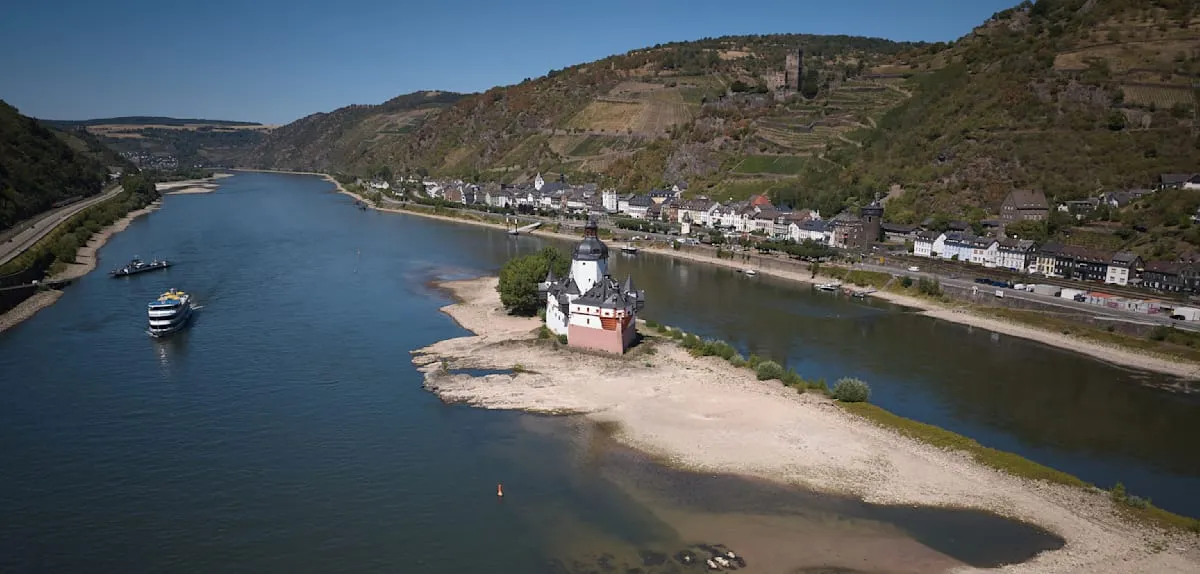
Italy's environmental crisis itself is not new. Various regions face similar challenges, from extreme water crises to droughts threatening the agricultural sector. Conditions such as those also reported in other regions where the Po River is drying up, threatening Cremona with ecological disaster, indicate that environmental issues require serious and integrated attention from the government.
The central government in Rome is also monitoring developments in Taranto. The future of Ex Ilva impacts not only Puglia but also Italy's international image, particularly concerning its commitment to global environmental agendas.
The next step, many hope, is open and transparent dialogue among local government, community representatives, environmental experts, and industry stakeholders. Finding common ground between economic and ecological sustainability is imperative to ensure that no more generations have to pay dearly with their health.
Andrea's message through his letter is not just a call for Taranto, but also a warning to the entire world. The protection of children and the environment must be a top priority in every development decision, especially those involving heavy polluting industries.
Editorial Insight: The Ilva case in Taranto illustrates the complex conflict between economic imperatives and environmental morality. Andrea's deeply moving letter will likely intensify political pressure on Governor Decaro and the central government to find definitive solutions that not only prioritize jobs but also the health and future of the younger generation. This demands a serious commitment to green industrial transitions and stricter corporate accountability, rather than mere political promises.