 Robert Andrison
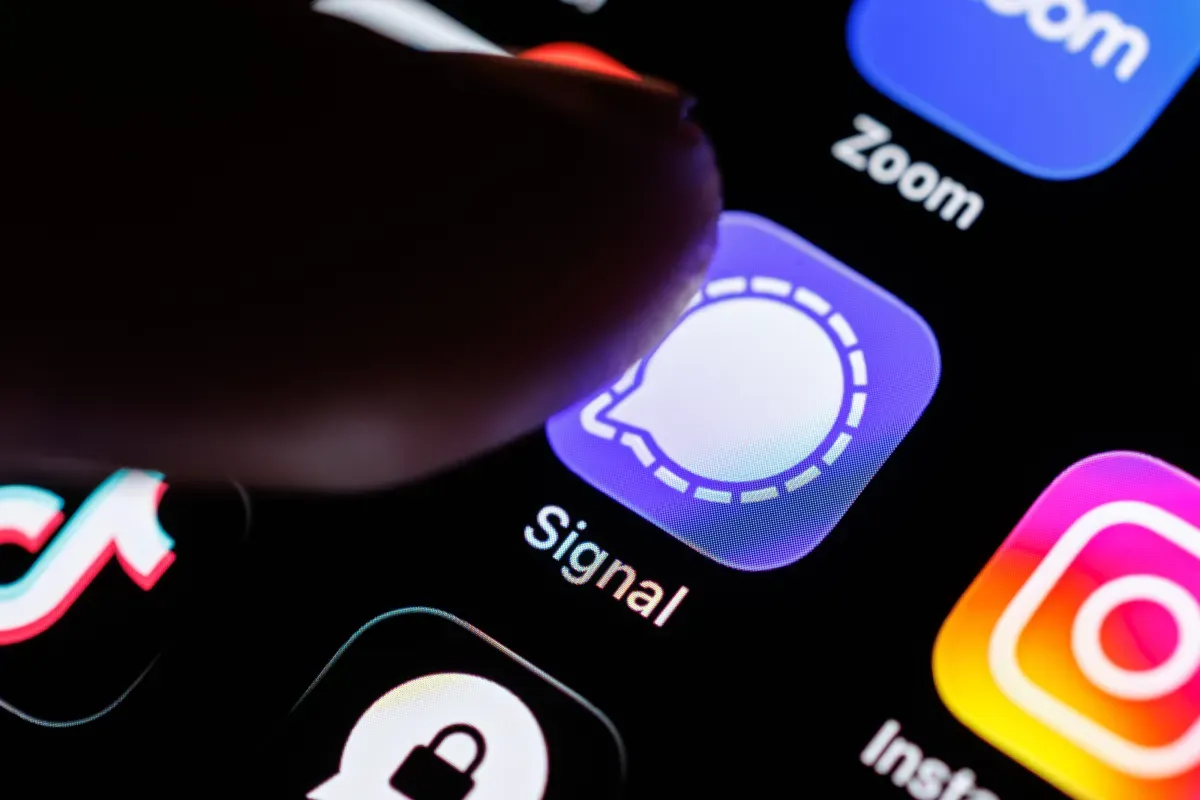
JAKARTA – Signal, the encrypted messaging application widely recognized for its commitment to user privacy, has recently implemented a policy restricting screenshots on both Android and iOS devices. This drastic measure was taken in response to what it describes as an existential threat from increasingly sophisticated artificial intelligence (AI) surveillance, aiming to protect sensitive user communications from potential data misuse.
Signal's decision to limit a basic feature commonly found in messaging applications demonstrates a serious level of concern regarding the capabilities of current AI technology. Users can no longer take screenshots of conversations or other information within the app, a significant change that prioritizes privacy above all else.
The digital era of 2026 is increasingly marked by the rapid advancement of artificial intelligence. While bringing numerous innovations, this technology also presents new challenges, particularly concerning surveillance and the potential misuse of personal data. Increasingly intelligent AI algorithms can analyze communication patterns, recognize faces, and even reconstruct information from seemingly irrelevant data fragments.
Since its inception, Signal has stood out as a bastion of privacy in the digital messaging world. With end-to-end encryption as standard, every message sent is guaranteed confidentiality. This screenshot restriction is a logical extension of that core philosophy, ensuring that even manual or semi-automated surveillance attempts via screen capture can be thwarted.
On Android devices, Signal now utilizes the FLAG_SECURE feature, which prevents other applications or the operating system from taking screenshots. On iOS, although the implementation may differ, the effect is the same: attempts to take a screenshot will result in a blank image or a notification that the action is not allowed, underscoring Signal's commitment to security.
Signal's move could set a precedent for other messaging applications claiming to protect privacy. Amidst the proliferation of advanced AI agents behind our messages, as discussed in the article Revolution in Communication: Advanced AI Agents Behind Your Messages, the need for additional layers of security becomes increasingly urgent.
Reactions to this new policy have been varied. Some users welcome it as it strengthens privacy, while others feel inconvenienced by the loss of functionality. However, Signal's developers assert that this trade-off is necessary to maintain the integrity of user communication and data amidst an evolving threat landscape.
Cybersecurity experts have long warned about the potential dangers of AI in surveillance. With the ability to process vast amounts of information and identify anomalies, AI has the potential to become an unparalleled tool for mass surveillance. Signal's decision reflects an acknowledgment of this threat's reality.
The implications of Signal's action extend beyond merely the screenshot feature. It underscores a paradigm shift in digital security, where protection not only focuses on data encryption in transit but also on how that data is accessed and replicated locally by user devices.
In the future, we may see more applications adopting similar measures, not only to counter AI surveillance but also to prevent the unauthorized dissemination of sensitive information. This represents an ongoing battle between technological innovation and the fundamental need for individual privacy.
Editorial Insight: Signal's bold step to restrict screenshots demonstrates the severity of AI-based surveillance threats. This is not just about collected data, but also about how visual data from private communications can be misused or analyzed without consent. This decision is likely to spark further discussions on the boundaries of privacy in an increasingly AI-dominated era, while also challenging technology developers to find a balance between innovation and ethics.