 Angel Doris
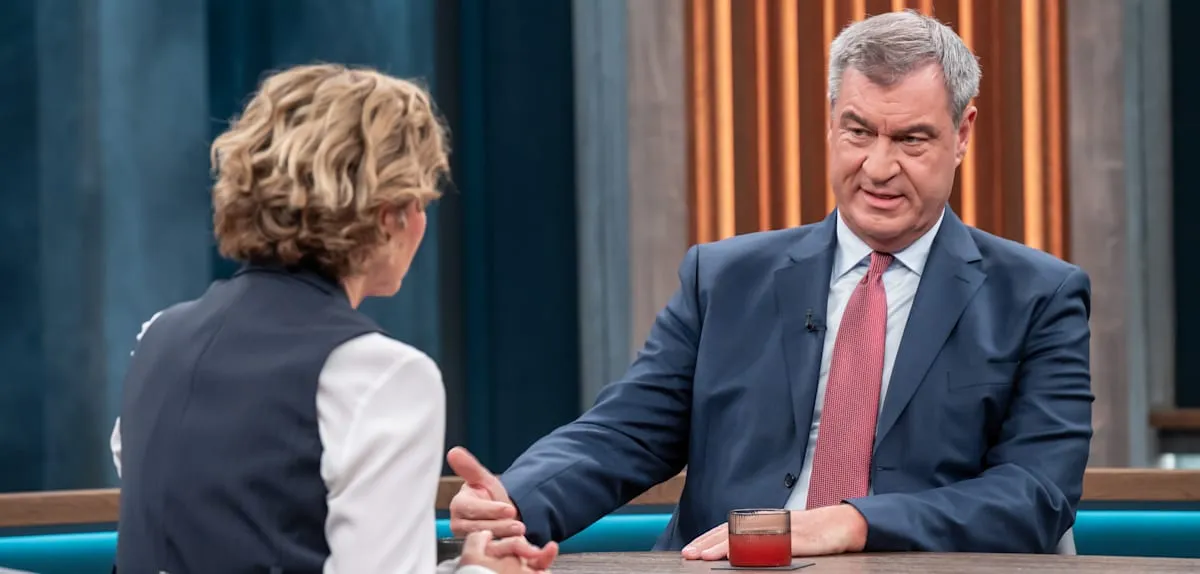
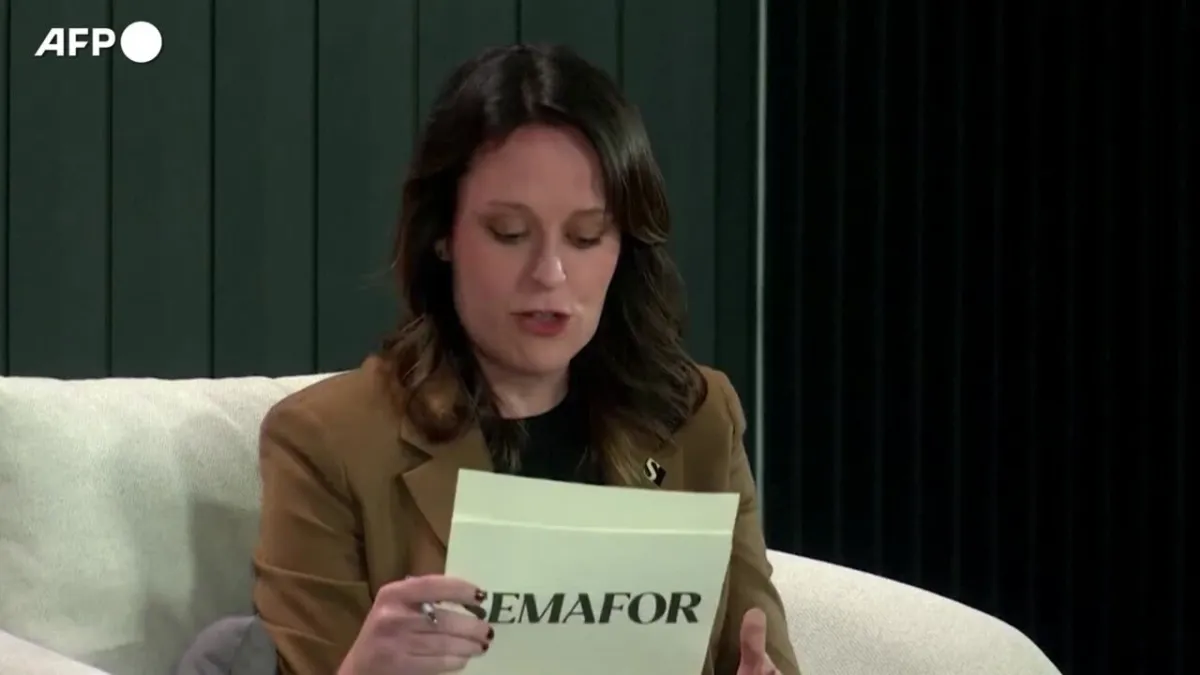
MUNICH – Bavarian Minister President Markus Soder of the Christian Social Union (CSU) has called for members of the Christian Democratic Union (CDU) in the state of Saxony-Anhalt who show tendencies to collaborate with the Alternative for Germany (AfD) party to immediately leave the party. This firm statement was made by Soder during the prominent television program, Caren Miosga, recently, reflecting the escalating political tensions in Germany in 2026.
Soder did not hold back in criticizing what he deemed as quite shabby behavior. He explicitly highlighted factions within the CDU that appear sympathetic to or even seek cooperation with the AfD, a party often labeled as far-right and sparking controversy in the German political arena.
This sharp criticism comes amidst intense debate about how established parties should confront the AfD, which continues to gain significant support in several regions, particularly in eastern Germany. Political uncertainty in Germany is becoming increasingly palpable ahead of upcoming regional and federal elections.
During the broadcast, Soder affirmed the commitment of the CSU and CDU to core democratic values, which he believes are inconsistent with the AfD's ideology. He emphasized the importance of safeguarding party integrity from extremist influences that could undermine Germany's political foundations.
Whoever votes for AfD doesn't really have a future with us now, a direct quote from Soder's statement, underscores his uncompromising stance against the AfD. This statement is clearly aimed at exerting internal pressure on wavering CDU members.
The situation in Saxony-Anhalt is under scrutiny because the province has long been an ideological battleground, with the AfD demonstrating strong performance in polls and previous elections. This creates a dilemma for the local CDU, which must choose between maintaining a hard line against the AfD or pursuing political pragmatism.
Political observers assess that Soder's call is an attempt to prevent further erosion in the national cohesion of the CDU/CSU. These parties, historically dominant forces, face significant challenges from political polarization and the rise of populist groups.
Previously, various parties have warned of the dangers posed by the AfD to Germany's political stability. The Social Democratic Party (SPD) itself has urged a pension negotiation summit while warning the CDU of the AfD's danger.
The German political crisis has been a continuous topic of discussion, with questions about why the CDU-SPD lost influence often arising. The polarization, including the left-wing polarization in Berlin benefiting the CDU/CSU, indicates complex political dynamics.
Soder, also an influential political figure in Germany, appears to be trying to position the CSU as a moral guardian in an increasingly fragmented political landscape. He encourages every party member to have backbone in confronting threats to liberal democracy.
This move is expected to provoke varied responses from within the CDU and from the AfD. Pressure to take a clear stance against the AfD will intensify, especially for federal party leaders who must navigate these complex dynamics.
Editorial Insight: Markus Soder's statement is not merely a critique but a strategic political maneuver to fortify the ideological lines of the CDU/CSU and strengthen their image as a bulwark of moderate democracy. In 2026, as AfD's influence continues to grow in some strongholds, Soder's move aims to prevent further fragmentation and enforce internal alignment, even at the cost of some dissenting members. The implications could be a purification of the CDU internally or a deepening of existing divisions.