 Chandra Wijayanto
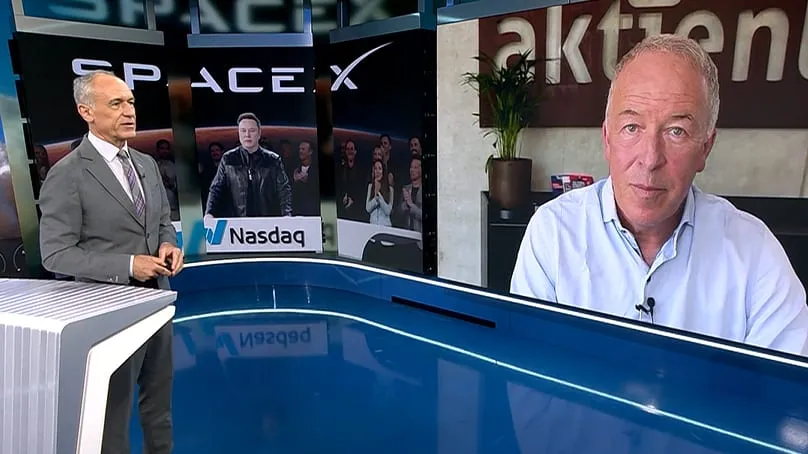
Jakarta — SpaceX, the space exploration company led by Elon Musk, reported mixed financial results for the latest quarter of 2026, drawing sharp market attention. Despite achieving significant revenue growth following its phenomenal initial public offering (IPO), the company's operational losses continue to loom large. A similar situation unfolded for several major German Dax index companies such as Fresenius, Siemens Energy, and DHL, which also presented financial reports with elements of surprise for global investors.
SpaceX's quarterly report demonstrates its capability to boost revenue, a solid indicator of business expansion. However, financial analysts underscore massive operational costs and research investments as the drivers of its persistent deficit. High expectations post-record IPO appear not yet fully aligned with short-term profitability realities.
In response to these dynamics, Jürgen Schmitt of Börsenspiegel, in an in-depth analysis with Dietmar Deffner, emphasized the ongoing need for caution when evaluating SpaceX's prospects. “Vorsicht ist bei SpaceX weiterhin geboten,” Schmitt quoted from their report title, indicating that rapid revenue growth does not automatically guarantee financial stability in a highly competitive business landscape.
Schmitt elaborated that substantial investments in developing new-generation rockets, expanding Starlink satellite services, and ambitious space missions inherently demand significant capital allocation. While fundamental for innovation, the path to breakeven or consistent profitability still requires time and careful cost management strategies. This also includes launches that raise questions like The Mystery of SpaceX Rocket's Impact on the Moon, showcasing the company's broad operational scope.
Not only SpaceX garnered attention; financial reports from German industrial giants also became a hot topic. Fresenius, a global healthcare conglomerate, surprised the market with positive performance in several key segments, demonstrating resilience amidst global economic fluctuations.
Similarly, Siemens Energy faced significant challenges in the energy transition, yet its quarterly report revealed bright spots in specific projects and restructuring efforts beginning to bear fruit. Investors are closely watching how this company navigates the complexities of a changing global energy landscape.
Meanwhile, DHL, a global logistics leader, delivered an impressive performance, reflecting the recovery and stability of global supply chains in 2026. Strong demand in the e-commerce and air cargo sectors served as primary drivers for their revenue growth.
Dietmar Deffner's analysis highlighted the fundamental differences between disruptive technology companies like SpaceX and established industrial giants. “While both operate in large markets, their business models, investment cycles, and risk profiles are vastly different,” Deffner explained, stressing the importance of differentiated investment strategies.
The varied financial performances of these major entities offer a mirror image of the global economy in the middle of this decade. Some sectors exhibit resilience, while others still grapple with profitability challenges despite bright long-term growth prospects.
For investors, these conditions serve as a reminder that portfolio diversification and a deep understanding of each company's business model are crucial. Volatility in the stock market demands more than just revenue figures; it also requires weighing innovation potential against the path to financial sustainability.
The SpaceX phenomenon, with all its revolutionary potential, is a classic example of a company that requires deep pockets and investor patience. The pace of innovation often precedes net profit, a common paradox in high-tech sectors pioneering new markets.
Jürgen Schmitt added, “While SpaceX's long-term prospects remain promising, especially with its dominance in the launch market and Starship ambitions, investors should remain realistic about the time horizon for significant returns on investment.”
The global economy of 2026 continues to adapt to technological and geopolitical disruptions. These company reports are not merely numbers, but narratives about how industrial and technological sectors navigate uncertainty and carve a path towards the future.
Positive performances from several German Dax companies offer a glimmer of optimism for Europe's economic recovery, which had been hit by various crises in recent years. Caution on one side and positive surprises on the other form a dynamic market mosaic.
Smart investors will view this data as a signal to re-evaluate strategies. Is the priority disruptive growth with higher risk, or stability and dividends from more mature companies? This question becomes increasingly relevant amidst the nuanced economic landscape of 2026.