 Demian Sahputra
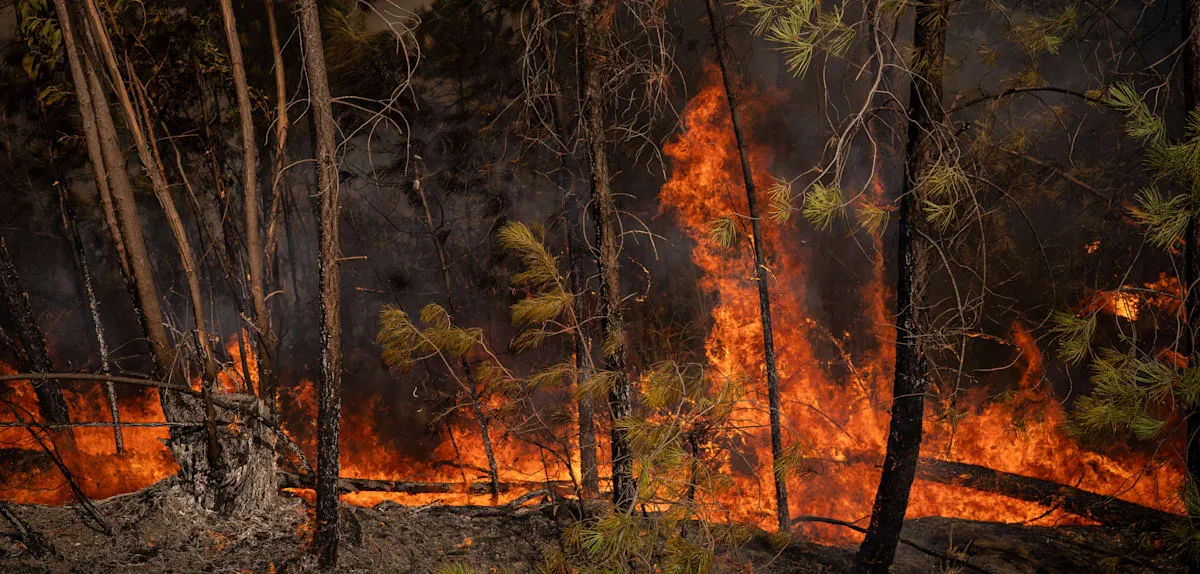
HUELVA – Large-scale wildfires continue to devastate the Huelva region, southern Spain, in mid-2026, compelling nearly 500 residents to flee their homes. The situation is exacerbated by strong winds, significantly hampering emergency teams' efforts to extinguish the blaze. Similar scenarios unfold in France and Canada, signaling a global challenge in confronting extreme climatic phenomena.
The inferno, which originated in dry forest areas, is rapidly advancing towards residential settlements in several remote villages. Firefighters from various regional units have been deployed to contain the spread, but the hilly topography and high temperatures pose significant obstacles.
Local authorities, through a spokesperson for Huelva's Civil Security Department, stated that the paramount priority is saving lives. "We have activated the highest emergency protocols. Evacuation is a crucial step to protect citizens from immediate danger," he remarked at an emergency press conference this afternoon.
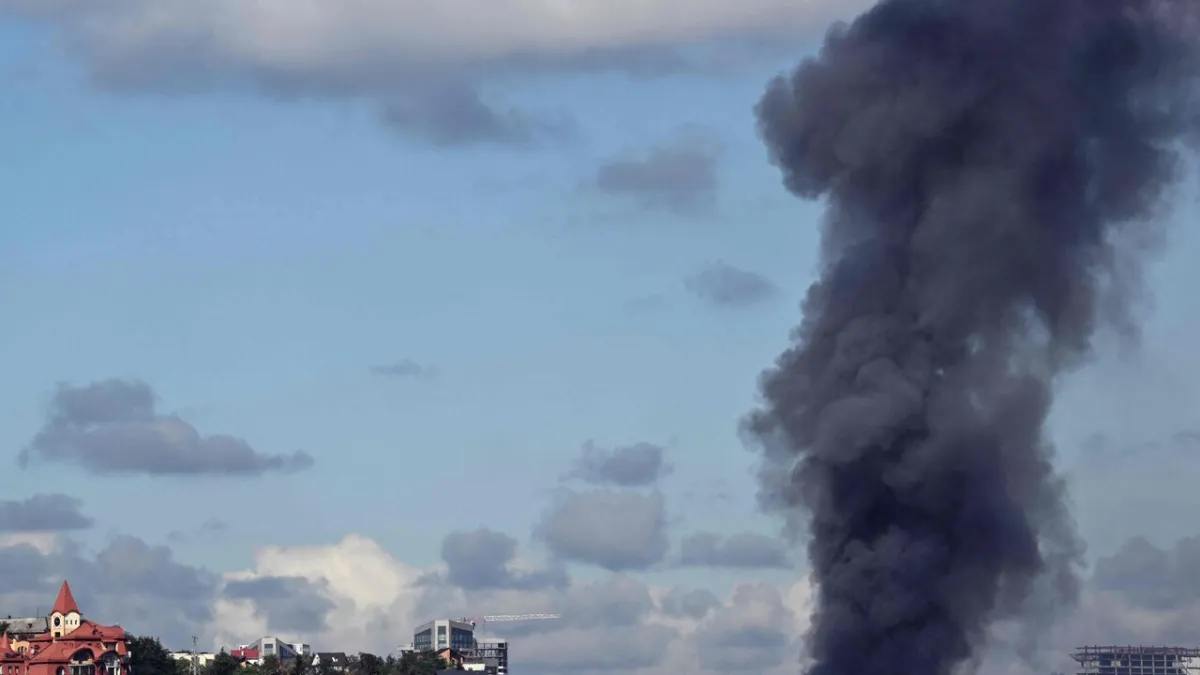
Latest data indicates hundreds of hectares of forest and shrubland have been consumed. Thick smoke blankets the sky, reducing visibility and creating a tense atmosphere for surrounding residents. Medical teams are also on standby to address cases of respiratory distress and dehydration.
This situation in Spain is not an isolated incident. The entire Southern Europe region has been gripped by extreme heatwaves throughout the summer of 2026. Meteorological data records record-high temperatures in many cities, a condition highly conducive to the ignition and spread of wildfires. This phenomenon echoes conditions in Italy, which is also facing similar challenges, as reported in the article "Italy Hit by Extreme Heatwave: Ferragosto 40 Degrees in 2026!".
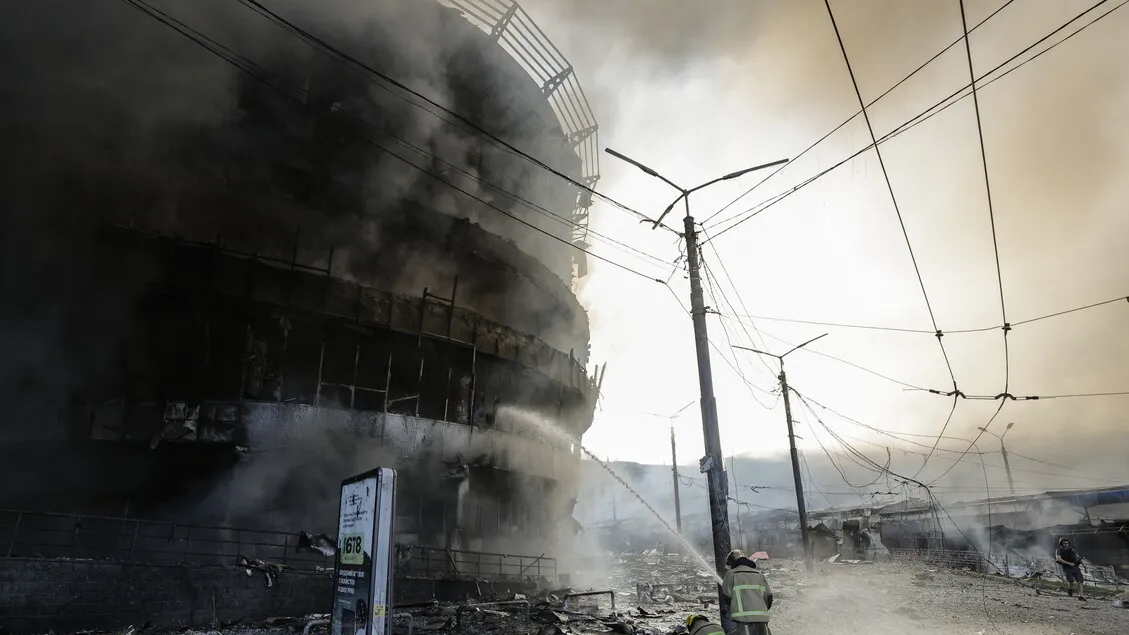
In France, firefighters are similarly battling blazes at several points, particularly in the southern regions bordering Spain. French authorities have requested assistance from neighboring countries to bolster personnel and equipment, underscoring the scale of the crisis.
Beyond the European continent, Canada is also not immune to the threat of wildfires. The western and central parts of the country are experiencing an extraordinarily devastating fire season. Thousands of square kilometers of forest have burned, producing smoke that has spread across provincial borders.
Climate experts assert that the intensity and frequency of these massive wildfires are clear indicators of the global climate change impact. The increase in average global temperatures prolongs dry seasons and dehydrates vegetation, turning it into perfect fuel for fires.
The Spanish government has allocated emergency funds and deployed military units to assist with disaster management. Inter-agency coordination is key to ensuring a rapid and effective response on the ground, given the expanding threat of the fires.
Evacuated residents are temporarily housed in community centers and sports facilities repurposed as emergency shelters. They hope to return home soon, although material losses are expected to be substantial.
The wildfire incidents in Huelva reignite debates concerning disaster mitigation strategies and adaptation to climate change. Several environmental organizations are urging the government to strengthen preventive policies and implement more sustainable forest management.
Editorial Insight:
The massive wildfires across Spain, France, and Canada in 2026 are not merely localized disasters; they are a stark reflection of the escalating global climate crisis. Without comprehensive strategies encompassing emissions reduction, adaptive land management, and enhanced emergency response capabilities, the frequency and intensity of similar catastrophes are projected to continue rising, bringing severe social, economic, and environmental consequences to communities worldwide.