 Demian Sahputra
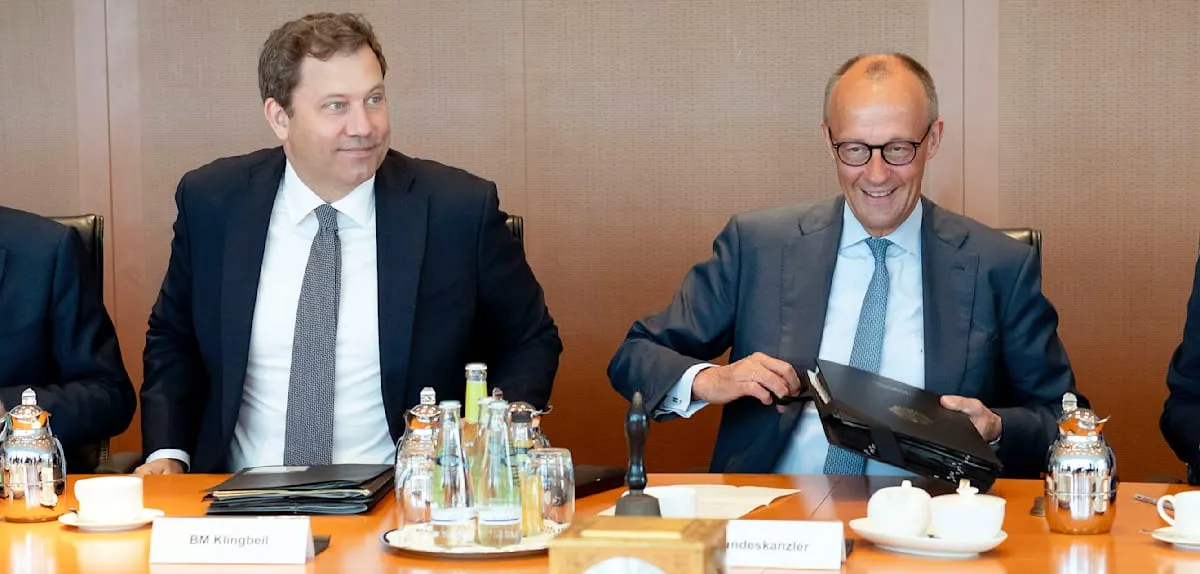
MADRID – Spanish Prime Minister Pedro Sanchez on Thursday chaired a crucial virtual coordination meeting with his cabinet, instructing a significant strengthening of security measures and an increase in humanitarian assistance for migrants. This high-level gathering underscored the urgency of a unified response from the Spanish government amid continuously challenging global migration flows, effectively taking place at government headquarters in 2026.
The meeting, which was the second coordination session, was held via video conference, reflecting the government's adaptation to modern work dynamics and efficiency in strategic decision-making. Discussions focused on a thorough evaluation of existing migration policies and the identification of critical areas requiring rapid and sustained intervention.
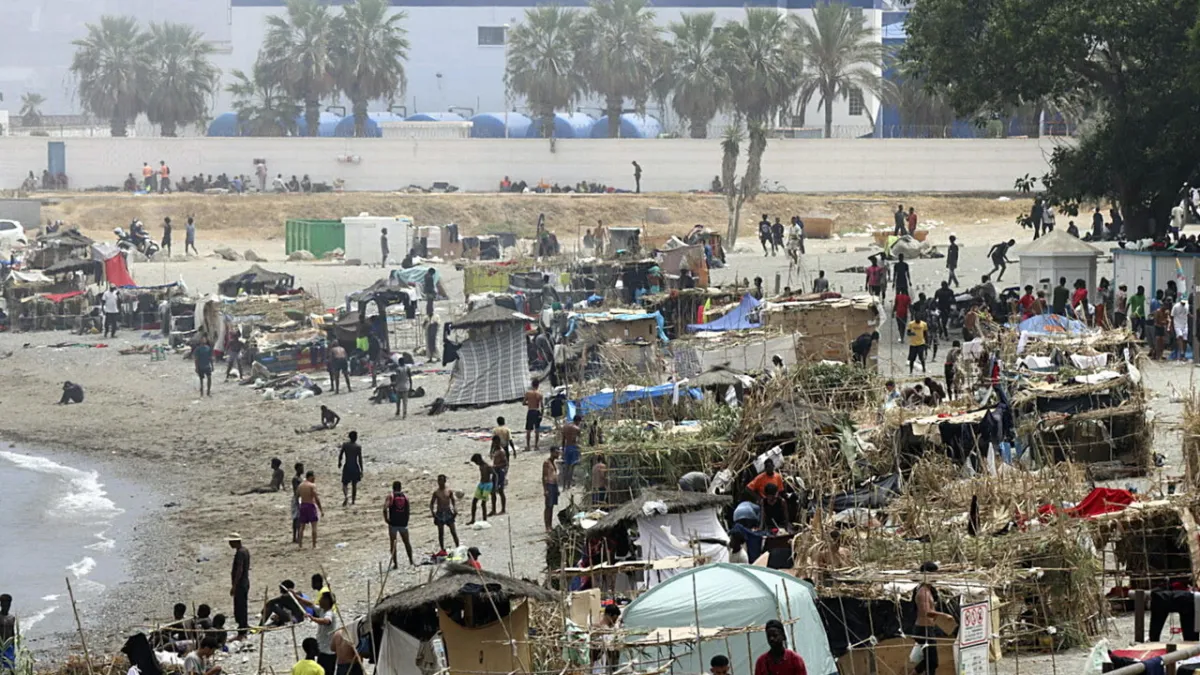
Spain, with its strategic geographical position as one of the main entry points to Europe from Africa and the Middle East, has historically faced constant pressure from waves of migrant arrivals. This condition places the country at the forefront of complex humanitarian and logistical challenges, demanding comprehensive solutions.
The enhanced security measures include intensifying land and sea border patrols, optimizing incoming identification systems, and strengthening intelligence cooperation with countries of origin and transit. This step is essential to curb human smuggling activities that often exploit and endanger the lives of migrants.
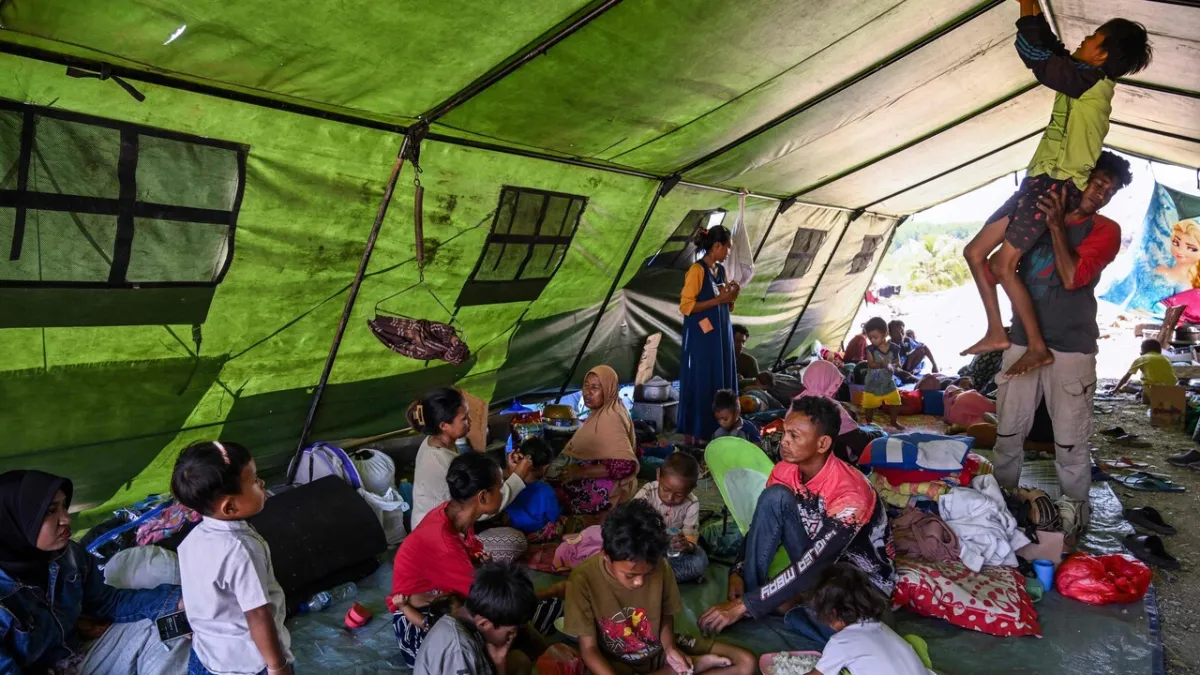
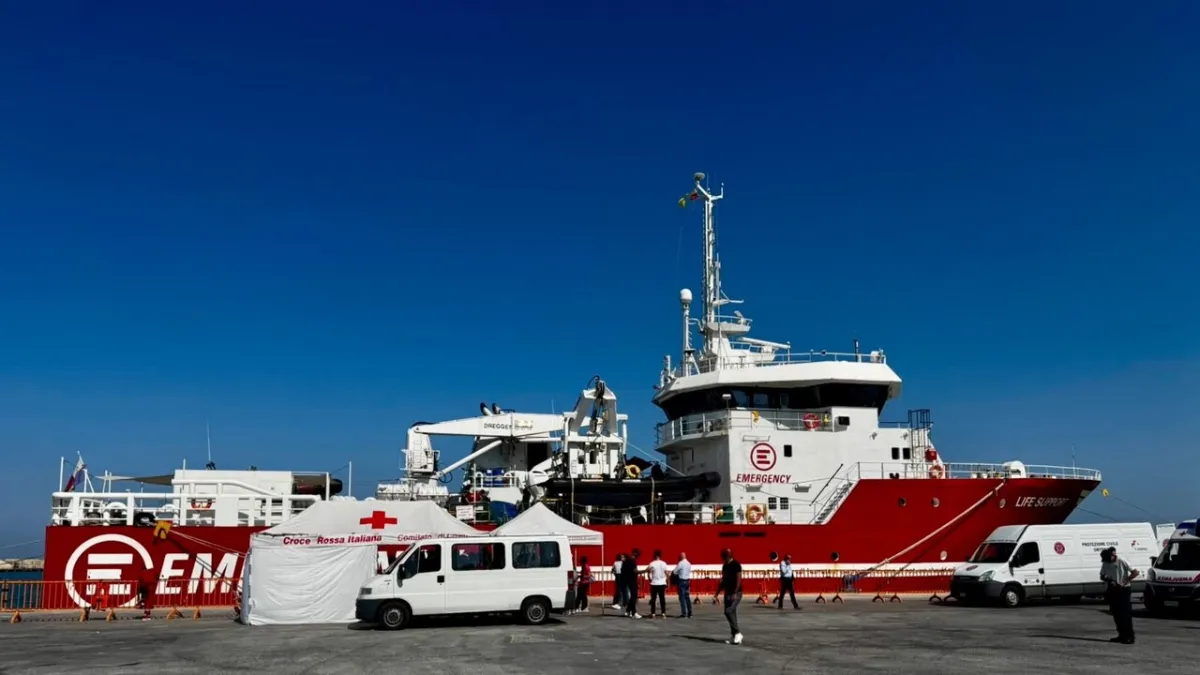
Besides security aspects, a key focus of the government also lies in increasing humanitarian assistance. This involves providing decent and hygienic accommodation, non-discriminatory access to healthcare services, educational facilities for migrant children, and guarantees of transparent and fair legal processes. The government is committed to ensuring the fundamental rights of every migrant individual are protected while in Spanish territory.
A source from Moncloa Palace, the Prime Minister's office, stated, 'The Prime Minister emphatically conveyed that our response must balance national sovereignty with maximum respect for human dignity.' This statement underlines the philosophy behind the policies being developed.
The issue of migration is not merely a domestic Spanish problem but a pressing collective challenge for the entire European Union. Spain consistently advocates for a more coordinated approach and solidarity at the regional level, promoting a more equitable sharing of responsibility among member states to effectively address this crisis.
The implementation of these new policies faces various obstacles, ranging from limited resource allocation to internal parliamentary debates concerning the social and economic integration aspects of migrants. Nevertheless, the government's determination is evident in tackling this complexity with adaptive and progressive strategies.
Active participation from non-governmental organizations (NGOs) and international bodies such as the UN is also a crucial element in Spain's response. Collaboration between the government and these entities is expected to create greater synergy in providing aid and protection to vulnerable groups.
The long-term hope for the measures proposed in this meeting is the realization of a more robust, humane, and sustainable Spanish migration policy. The government seeks to create holistic solutions that are not only reactive but also proactive in managing migration flows.
Editorial Insight: Prime Minister Sanchez's decision to actively strengthen migration policies through high-level coordination indicates a deep recognition of the issue's complexity. Amid rising anti-migrant sentiment in some parts of Europe, Spain's move demonstrates a commitment to a more structured and human rights-based approach. Successful implementation will heavily depend on administrative capacity and political support, both domestically and within the European Union, as well as the ability to balance security needs with humanitarian imperatives.