 Chris Robert
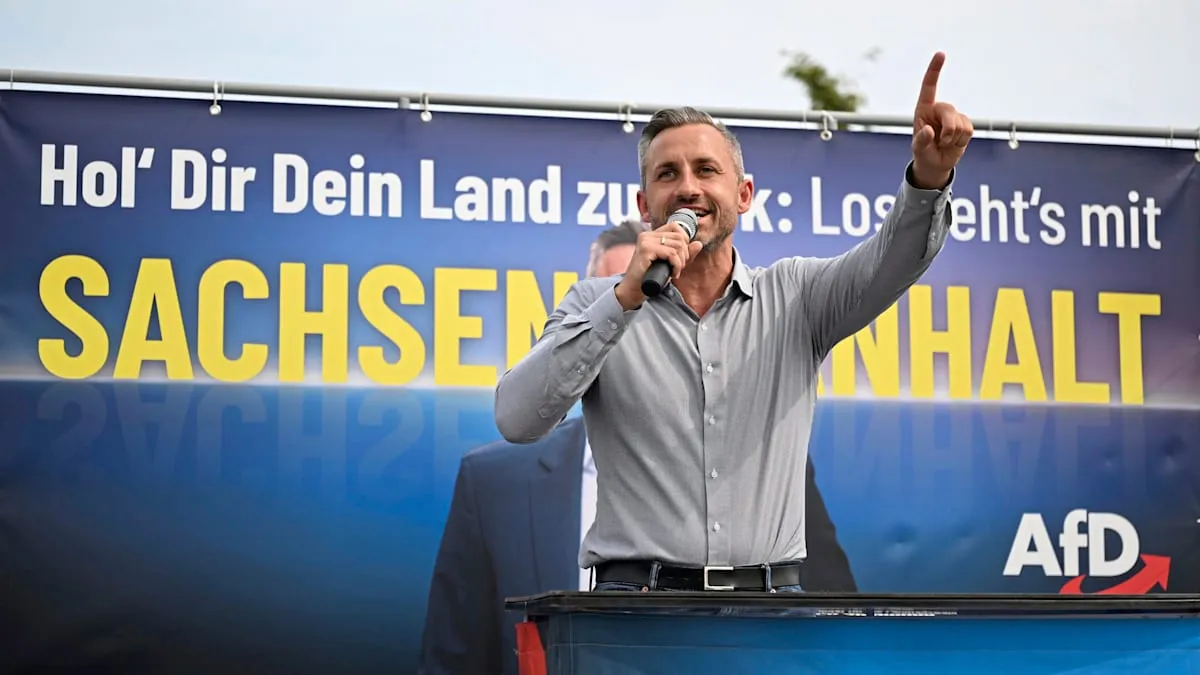
BERLIN – Germany's prominent news magazine, Spiegel, recently ignited a storm of journalistic ethics debate after publishing a cover edition labeling Alternative for Germany (AfD) politician, Ulrich Siegmund, as 'the most dangerous man in Germany.' This controversial publication immediately drew strong condemnation from various circles, including fellow journalists, who called it a low point in media ethics standards.
Ulf Poschardt, a leading author from WELT media, openly and strongly criticized Spiegel's move. Poschardt categorized the report as a 'pathetic' story and a 'declaration of surrender in the fight against the right.' For him, the cover not only failed to provide in-depth analysis but also undermined journalistic credibility.
Siegmund, a vocal figure from the AfD party, became the main focus of Spiegel's coverage. The magazine sought to portray a narrative about the potential threat he represents to the German political landscape. However, the methods and narrative chosen by Spiegel instead raised serious questions about objectivity and the media's role in shaping public opinion.
Criticism against Spiegel did not only come from Poschardt. Many other media observers and senior journalists also voiced their concerns. They argued that such extreme labeling could further fuel polarization and actually provide a platform for controversial narratives, without allowing for nuance or balanced analysis.
In this context, the publication was referred to as 'a reminder of Relotius,' a sharp reference to the journalism scandal involving Claas Relotius, a former Spiegel reporter who was proven to have fabricated many of his reports. This comparison underscores the seriousness of the ethical breaches attributed to the magazine.
This controversy also reopens the discussion about how mainstream media should cover populist or far-right parties. Should they be analyzed critically but objectively, or is a firmer stance necessary in combating what is perceived as a threat? This debate has shaken the foundations of public trust in the press.
Ulrich Siegmund himself has not yet made an official comment regarding the cover. However, AfD supporters are expected to use this moment to rally support, portraying their party as a victim of media 'persecution,' as they often do. This situation certainly further complicates media efforts to report political issues fairly.
This event has the potential to have long-term impacts on Spiegel's image and also on journalism in Germany as a whole. The credibility of a media institution is not only determined by the quality of its investigations but also by the high ethical standards upheld in every publication.
Issues surrounding journalistic ethics and how the media covers controversial political parties have been a global spotlight. Related articles, such as The AfD Wave Shakes Sachsen-Anhalt: Will German Politics Change? and Spiegel Labels Most Dangerous AfD Figure, Left Party Rages!, demonstrate that this debate is not new and remains relevant.
Editorial Insight: This Spiegel case highlights journalism's perennial dilemma in confronting political extremism. Between the duty to report objectively and the responsibility to safeguard democratic values, the lines often blur. Sensationalist approaches, even if well-intentioned, risk eroding public trust and inadvertently empowering the narrative of the attacked faction, especially in an era of information polarization. This serves as a reminder that ethics is not just about right or wrong, but also about the long-term impact of every editorial choice.