 Dorry Archiles
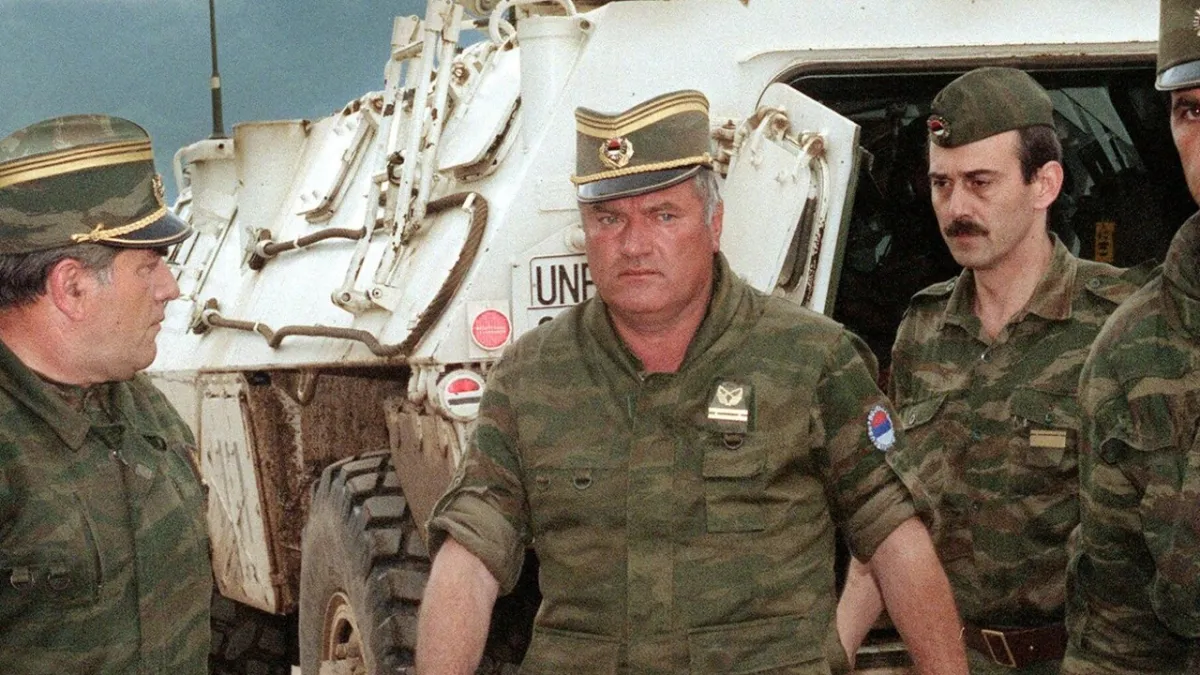
THE HAGUE – Ratko Mladic, the notorious former commander of the Bosnian Serb army, dubbed the Butcher of Srebrenica, reportedly passed away at a UN detention facility in The Hague in 2026. The figure convicted of genocide, war crimes, and crimes against humanity closed his life while serving a life sentence, leaving a dark historical legacy in the Balkans.
Mladic's passing effectively concludes one of the most significant chapters in the history of post-war international justice in Europe. He was a key actor in the bloody conflicts in Yugoslavia during the 1990s that claimed hundreds of thousands of lives and displaced millions more. His arrest and trial at the International Criminal Tribunal for the former Yugoslavia (ICTY) served as a crucial symbol for victims of war crimes.
Mladic, once called the Prince of Darkness, commanded Bosnian Serb forces during the brutal siege of Sarajevo and the Srebrenica genocide in 1995. In that inhumane military operation, over 8,000 Bosniak Muslim men and boys were massacred by his troops, making it the single most horrific event in Europe since World War II.
Throughout his protracted trial, Mladic consistently refused to acknowledge his guilt, even claiming to be a defender of the Serbian people. However, undeniable evidence, including survivor testimonies and military documents, incriminated him in the eyes of international law.
The life sentence imposed on him in 2017 and upheld on appeal in 2021 affirmed individual accountability for collective atrocities. His case set a strong precedent for the prosecution of genocide in the future.
Although the international community regarded him as a war criminal, Mladic remained a heroic figure for many ethnic Serbs in Bosnia and Serbia. They viewed Mladic as a patriotic general who fought to defend his nation. This contrasting perception highlights the complexity of identity and collective memory in the Balkan region.
Mladic's death marks the end of an era for the military leaders responsible for the destruction of Yugoslavia. Nevertheless, historical wounds and reconciliation efforts continue in the region. The legacy of war crimes he left behind will always serve as a bitter reminder of the dangers of extreme nationalism.
His passing also rekindles discussions about the importance of transitional justice and the healing process for communities affected by conflict. Survivors in Srebrenica and throughout Bosnia-Herzegovina hope Mladic's death brings some closure, even though it can never erase the suffering they endured.
War crimes investigations in the Balkans have yielded several important rulings, including the conviction of Radovan Karadzic, the Bosnian Serb political leader. For more information on similar cases, the public can read the articles Mladic, Jagal Srebrenica, Tutup Usia di Den Haag: Akhir Era Kejahatan Perang and Sang Jagal Bosnia, Ratko Mladic, Meninggal Dunia di Penjara Den Haag.
Editorial Insight: Ratko Mladic's death in The Hague, though delayed for some victims, reaffirms the principle that impunity for grave crimes will not last forever. This case stands as a monument to the struggle for international justice and a stark warning to perpetrators of war crimes worldwide. However, the polarized views of Mladic in former Yugoslavia underscore the profound challenges in building a shared historical narrative and genuine reconciliation, even decades after the conflict ended.