 Chandra Wijayanto
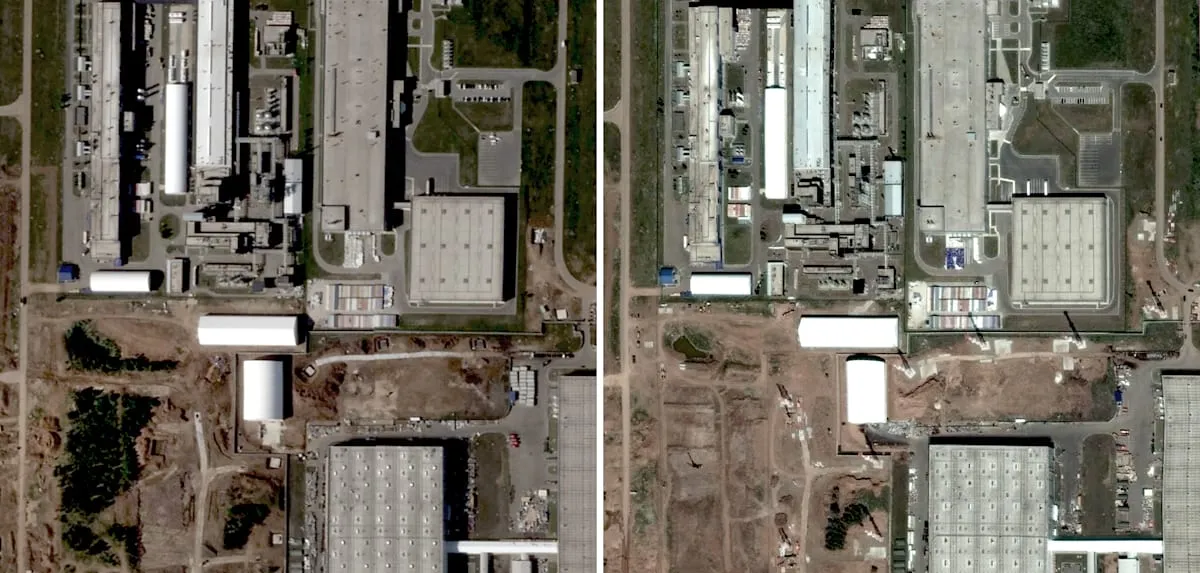
BERLIN – Secret documents recently obtained by the prominent media outlet WELT have exposed a clandestine and ambitious plan by the Kremlin to massively expand its military drone production capacity. This plan targets the addition of 28,000 drone units annually, a move that significantly accelerates Russia's military efforts amidst calls for peace negotiations.
This information leak comes at a crucial time. Moscow is offering a new round of peace talks, and envoys from US President Donald Trump have even reported substantial progress in these discussions. The contradiction between diplomatic rhetoric and overt military expansion raises serious questions about Russia's true intentions.
The large-scale production of military drones is projected to support Russian operations on various fronts. Data indicates that these drones are increasingly being deployed, not only in traditional battlefields but also in operations targeting NATO member countries, exacerbating regional geopolitical tensions.
Internal sources, who requested anonymity, indicated that this capacity increase is part of Russia's long-term strategy to bolster its aerial dominance with relatively cost-efficient means. Drones have proven to be a key element in modern conflict, offering reconnaissance, precision strikes, and tactical superiority.
The figure of 28,000 units per year reflects an extraordinary increase in manufacturing capacity. This suggests significant investment in technology, production infrastructure, and human resources, far exceeding mere defensive needs and leaning more towards aggressive military power projection.
The WELT report effectively undermines the peace narrative that the Kremlin attempts to construct. It reveals that behind offers of dialogue, Moscow is actually preparing for a greater escalation, strengthening its forces with mass-produced, advanced combat technology.
This situation presents a complex dilemma for the international community, particularly Western nations and NATO. On one hand, there is hope for conflict de-escalation through diplomacy; on the other, concrete evidence of Russia's increased military capacity signals readiness for a longer and more intense confrontation.
The involvement of President Donald Trump's envoys in these negotiation processes comes under scrutiny. The reported progress by his envoys must now be critically re-evaluated in light of the latest information regarding Russia's secret drone program. This highlights the complexity and potential deception within the global diplomatic arena.
The reported use of these drones against NATO countries signifies a shift in tactics and a direct threat to the alliance's sovereignty and security. This demands a coordinated and firm response from NATO member states to strengthen their defenses and review regional security strategies.
The implications of this revelation are extensive. It is not merely about the number of drones, but about the strategic signal Russia is sending to the world. It is a declaration that Moscow is committed to a path of militarism, even as one hand extends seemingly peaceful overtures, which may be merely a maneuver.
Editorial Insight:
The revelation of Russia's drone production plan strikes a severe blow to the credibility of any peace efforts initiated by Moscow. It highlights the dangers of diplomacy running parallel to military escalation, creating an environment of profound distrust. World leaders, including President Prabowo Subianto in Indonesia and US President Donald Trump, must take this information very seriously, demanding true transparency and accountability from Russia to avoid falling into a trap of superficial negotiations. The long-term consequences of this maneuver have the potential to reshape global security dynamics, requiring a high level of vigilance from all parties.