 Demian Sahputra
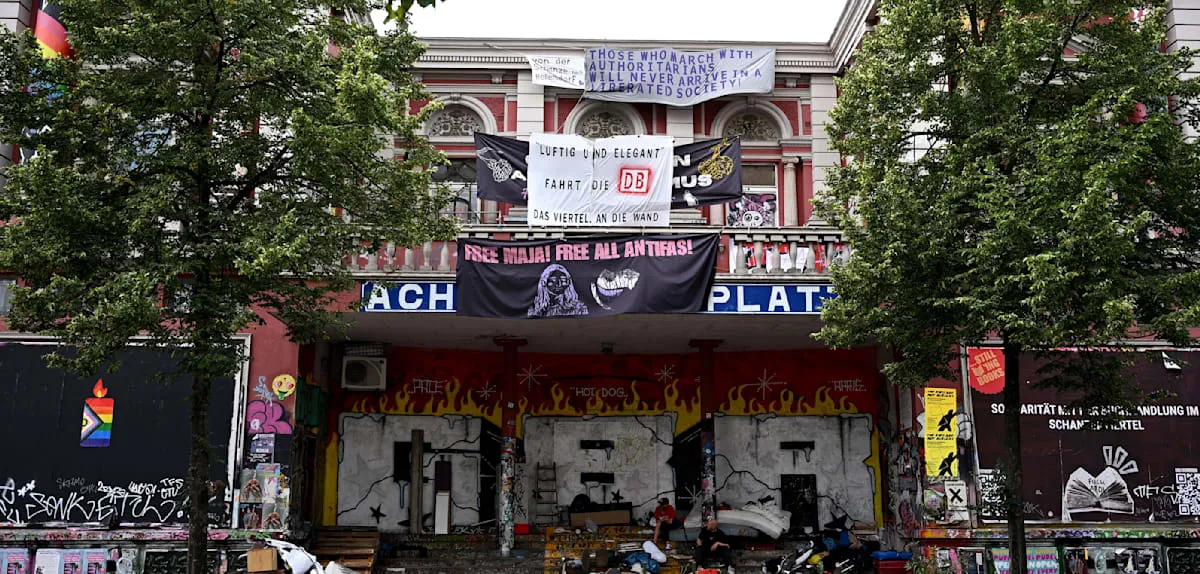
HAMBURG – The autonomous cultural center Rote Flora, long known as an icon and central gathering point for left-wing extremist groups in the city of Hamburg, is reportedly losing its appeal significantly. Germany's domestic intelligence agency, Verfassungsschutz, highlights this shift in dynamics, indicating that Rote Flora's influence on Hamburg's left-wing extremist scene has waned following the G20 events and the global pandemic a few years ago.
This assessment by the Verfassungsschutz emerges as part of their regular reports concerning threats to the state's constitution. They observe a shrinking of left-wing extremist group activities in public spaces, a phenomenon that contrasts with Rote Flora's image as a hub for mass mobilization.
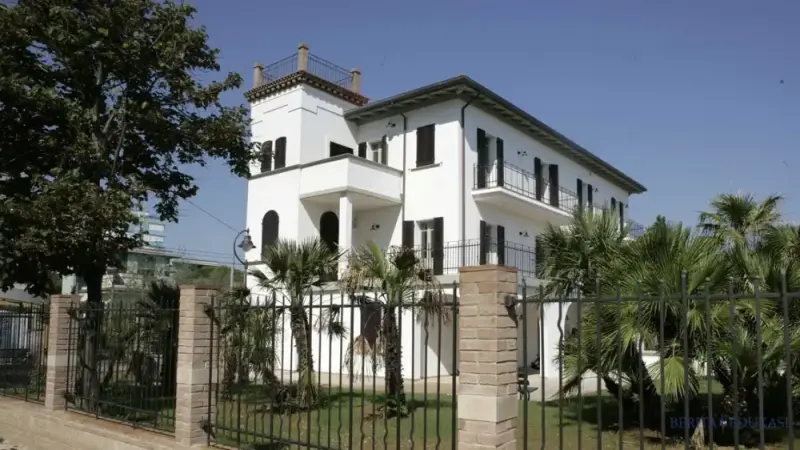
For decades, Rote Flora, a building that was once a theater and subsequently occupied, has served as a symbol of resistance and a hub for various left-wing movements, including extremist ones. It often served as a starting point for demonstrations, strategic meetings, and cultural activities affiliated with that political spectrum.
However, according to intelligence observations, the era after the turbulent G20 summit in Hamburg in 2017 and social restrictions during the COVID-19 pandemic have fundamentally altered this landscape. The pandemic limited physical gatherings and pushed activities into the online realm, while post-G20 surveillance might also have impacted group operations.
Nevertheless, the report also notes a worrying trend. Although public presence has diminished, attacks on individuals and political opponents tend to become more dangerous and focused. This suggests that while the number of activists may be shrinking, the intensity and potential for violence are increasing among the remnants of more radical groups.
The Verfassungsschutz did not detail the specific causes for Rote Flora's decline in influence. However, several speculative factors could be considered, such as a shift in priorities among younger activists, stricter law enforcement strategies, or even internal fragmentation within the left-wing extremist movement itself.
This phenomenon reflects broader changes in Germany's radical political landscape. Intelligence organizations continue to monitor these developments, especially given the potential danger from smaller but increasingly radical groups prepared to undertake violent actions.
This situation demands heightened vigilance from authorities. While Rote Flora may no longer exert the pull it once did, the threat from left-wing extremism remains real; its manifestation has simply transformed into a more covert yet more aggressive form.
The city government of Hamburg and law enforcement agencies are expected to respond to this trend with adaptive strategies, focusing not only on crowd control in public spaces but also on monitoring online activities and efforts to prevent individual radicalization.
This situation also opens discussion on the effectiveness of autonomous cultural centers like Rote Flora as platforms for political expression, and how their role adapts in facing contemporary challenges, from strict surveillance to the digitalization of activism.
Editorial Insight: This shift in Hamburg's left-wing extremism dynamics presents new challenges for law enforcement. The weakening centralization of Rote Flora's influence does not signify the disappearance of the threat, but rather a shift towards more fragmented and potentially more destructive forms. Expanding the focus of surveillance from mass demonstrations to radical individuals or small groups becomes essential for maintaining the social and political stability of the city.