 Gabriella
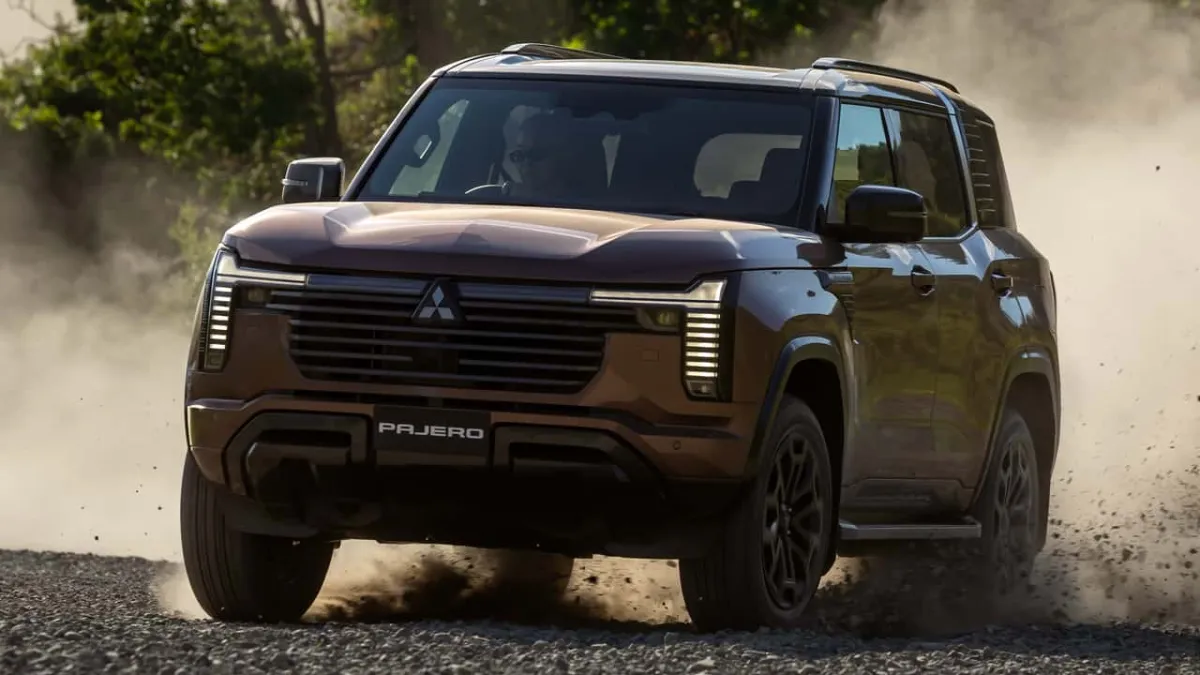
JAKARTA – The global automotive industry witnesses a captivating phenomenon in 2026, as the Mitsubishi Pajero, an icon of rugged SUV vehicles, successfully reclaims its market dominance. The Japanese automaker has succeeded in enticing back its long-standing customers who had previously switched brands, while simultaneously attracting new segments of buyers, solidifying its position as a formidable force.
This positive trend stems from a comprehensive strategy implemented by Mitsubishi, centered on significant updates to the Pajero lineup. The vehicle has not merely received a cosmetic refresh, but a complete transformation touching upon aspects of performance, technology, and driving experience.
Many buyers who had previously switched to other brands are now returning to the Pajero. The nostalgia for its proven toughness and reliability over decades serves as a primary driver. However, this loyalty is reinforced by cutting-edge innovations that meet the demands of the modern market.
Most returning buyers acknowledge that the latest Pajero offers a rare combination of legendary off-road performance and premium comfort for daily use. Its more modern yet robust exterior design, coupled with a feature-rich digital interior, proves to be a strong allure.
Not solely relying on its existing customer base, Mitsubishi has also successfully captured buyers from competitor brands. This new consumer segment generally seeks SUVs that are not only powerful and reliable but also efficient and environmentally friendly, aligning with automotive trends in 2026.
The integration of hybrid technology and improved fuel efficiency in certain Pajero models has been key to expanding its market reach. Advanced safety features and integrated infotainment systems also play a significant role in purchasing decisions.
An automotive market analyst from Global Insight Partners, Dr. Surya Wijaya, stated, The resurgence of the Pajero demonstrates that a strong brand heritage can provide a solid foundation for innovation. Mitsubishi has successfully balanced tradition with a future vision, creating a product that resonates with various market segments in 2026.
Mitsubishi's aggressive and focused marketing strategy has also played a vital role. Campaigns highlighting the Pajero's durability, all-terrain capabilities, and commitment to continuous innovation have successfully crafted a fresh and relevant brand image.
Mitsubishi Motors, in a recent press release, expressed optimism regarding Pajero's sales growth. We listened to customer feedback and invested heavily in research and development to ensure Pajero remains a top choice. The market response this year is very encouraging, a company representative remarked.
Pajero's renewed dominance also sparks competition in the SUV segment, prompting other manufacturers to innovate more aggressively. This signifies a new era of healthy competition that ultimately benefits consumers, who now have more options for high-quality vehicles.
The 2026 automotive market context, moving towards electrification and automation, presents both challenges and opportunities for the Pajero. With this strong foundation, Mitsubishi now has the momentum to further explore cutting-edge technologies. As seen in reports on the new wave of autonomous vehicles, adapting to technological changes will be crucial.
Editorial Insight: The resurgence of the Mitsubishi Pajero is not merely a marketing success story; it is evidence of smart adaptation to ever-evolving market demands. The brand's ability to revitalize its legendary asset with a modern touch demonstrates a mature long-term strategy. Its impact will be felt in the global SUV competitive landscape, which is now tighter and more innovative, potentially reshaping consumer preferences in the years to come.