 Gabriella

BERLIN – The German government is consistently intensifying its efforts to revoke the protection status of thousands of refugees from Syria. This policy follows the fall of the Bashar al-Assad regime, yet it has drawn sharp criticism from opposition factions, particularly the Left Party (Die Linke), who deem their return to Syria as inappropriate and dangerous.
The review of refugee protection status has become a central focus on Germany's immigration agenda. Recent data indicates a significant increase in the number of individuals whose status has been revoked after re-evaluation, creating considerable uncertainty among the Syrian community in the country.
The German government argues that the changed political situation in Syria, especially after the fall of the Assad regime, forms the basis for this review. They suggest that the reasons for granting asylum or subsidiary protection may no longer be relevant for many refugees.
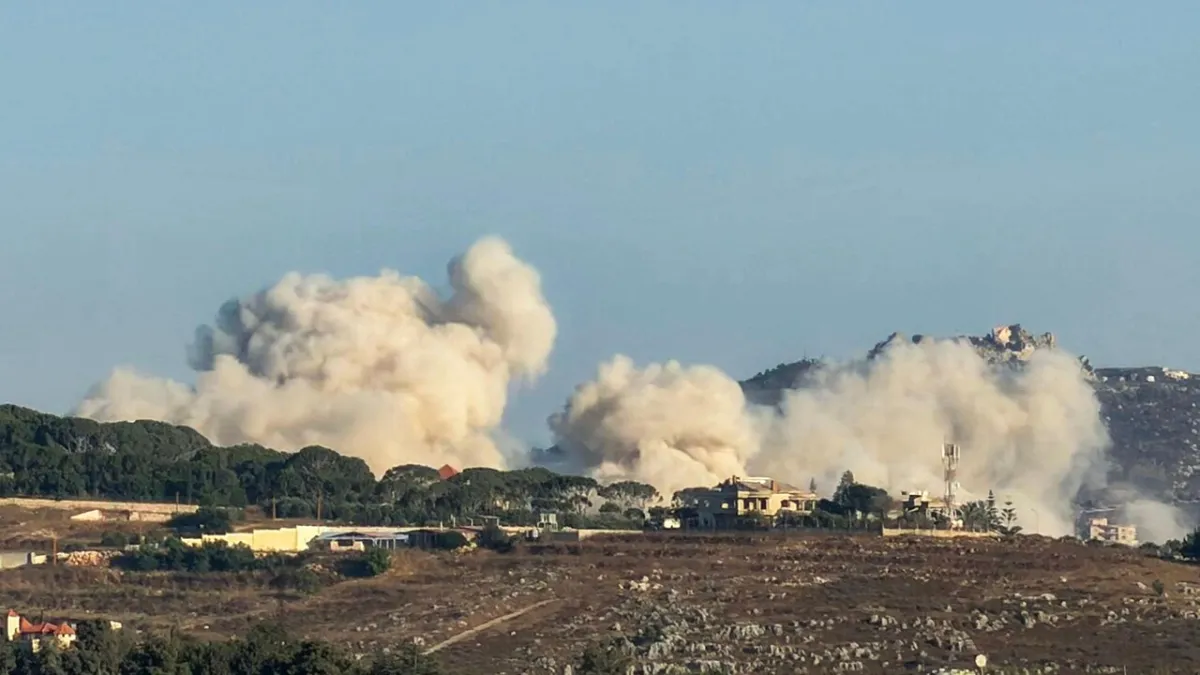
Nevertheless, the situation in Syria remains far from stable. Sporadic armed conflicts, economic insecurity, and infrastructure challenges continue to be a harsh reality for civilians. These conditions are the foundation for criticism from various humanitarian organizations and human rights groups.
A spokesperson for the Left Party in the German parliament emphatically stated, Sending people back to a country still plagued by severe instability is an unacceptable act. Their safety cannot be guaranteed. This statement reflects deep concerns for the refugees' well-being.
The process of actual deportation back to Syria remains an exception, not the norm. Most cases of status revocation are not immediately followed by active deportation due to complex legal procedures and strict humanitarian considerations. However, lacking protection status leaves them vulnerable and living in uncertainty.
This policy has also sparked fierce debate in Germany's domestic political arena. While some parties call for stricter enforcement of immigration laws, others emphasize the importance of Germany's international commitment to human rights and protection for those in need.
The Syrian refugee community in Germany expresses their anxiety. Many have built new lives, secured jobs, and their children attend school in Germany. The revocation of protection status potentially strips away everything they have established.
The psychological and social impacts of this policy cannot be ignored. The fear of losing residency and being forced back into an unsafe environment can cause deep trauma, especially for those who have already suffered due to war.
Aid organizations are also urging the German government to reconsider this policy more carefully. They highlight that the principle of non-refoulement, which prohibits returning an individual to a country where they would likely face serious threats, must remain paramount.
It is important to note that decisions to revoke protection status often undergo complex legal processes and can be appealed. However, such legal avenues require resources and understanding that are not always easily accessible to refugees.
The debate over the future of Syrian refugees in Germany reflects the dilemma many European nations face between humanitarian commitments and domestic political pressure to manage migration flows. The decisions made will have long-term implications.
Editorial Insight: Germany's policy of revoking protection status for Syrian refugees underscores the complexity of addressing global migration issues. While the fall of the Assad regime provides a legal argument for the German government, the reality on the ground shows Syria remains fragile. The balance between state sovereignty and humanitarian responsibility is crucial, and a potential new humanitarian crisis could emerge if this policy is implemented without considering the real conditions in Syria. Domestic political pressures and international demands will continue to shape the evolution of this policy going forward.