 Demian Sahputra
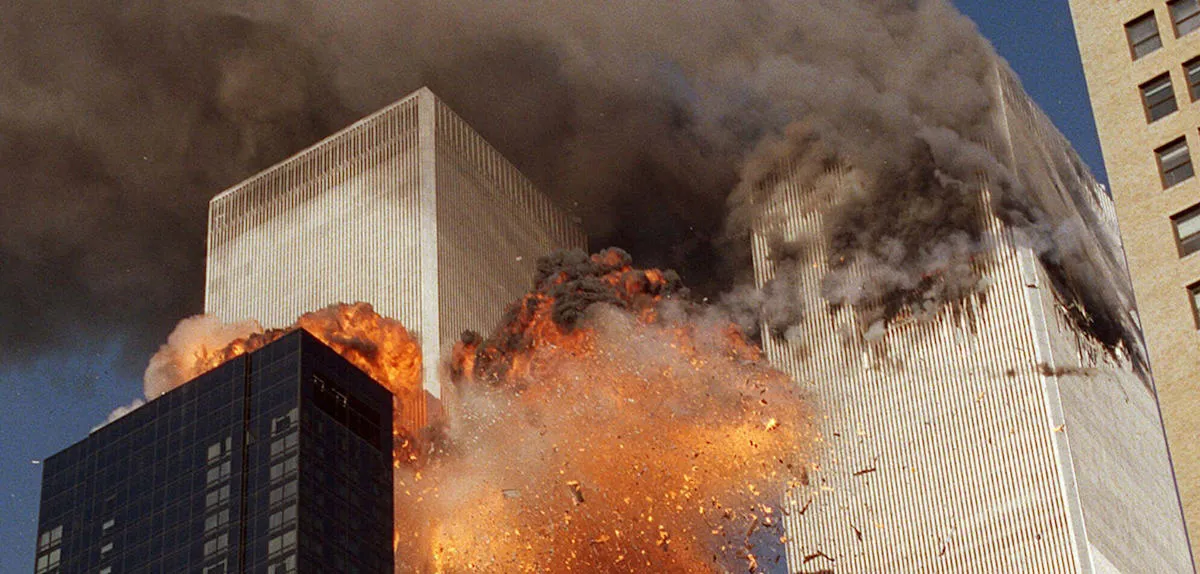
NEW YORK – On September 11, 2001, a morning on the East Coast of the United States turned into a global nightmare when extremist-affiliated terrorists brutally hijacked four passenger planes. They transformed these Boeings into deadly missiles that destroyed the Twin Towers of the World Trade Center in New York City and damaged a section of the Pentagon building in Virginia, killing 2977 people in one of the most horrific coordinated attacks in modern history.
The meticulously planned and heinous attacks began with the hijacking of American Airlines Flight 11 and United Airlines Flight 175, which subsequently struck the north and south towers of the World Trade Center. The sight of smoke and fire billowing from the heart of Manhattan immediately broadcast the horror worldwide, leaving billions of eyes glued to television screens.
Almost simultaneously, American Airlines Flight 77 crashed into the southwestern part of the Pentagon, the center of American defense, causing a section of the building to collapse and killing hundreds. Meanwhile, over Pennsylvania, United Airlines Flight 93, reportedly aimed at Capitol Hill or the White House, was thwarted by the bravery of passengers and crew members who fought against the hijackers before the plane crashed in an empty field, saving a larger target.
The chaos following the attacks was profound. Communication systems were disrupted, air traffic was completely halted, and major cities across America were gripped by fear of further attacks. Thousands of rescue workers and firefighters rushed to the scenes, risking their lives amidst the still-smoking ruins and potential ongoing threats.
In that moment of gripping uncertainty, a deep realization emerged that the nation was facing an unprecedented threat. The sentiment among leaders and ordinary citizens alike echoed the urgent need for protection and decisive response from the armed forces, We need the military. We are stuck in something really bad.
The death toll reached 2977 people, including civilians from over 90 countries, firefighters, police officers, and medical staff who were first on the scene. Many victims could not be identified, leaving immeasurable grief for thousands of families who lost their loved ones in this unforeseen tragedy.
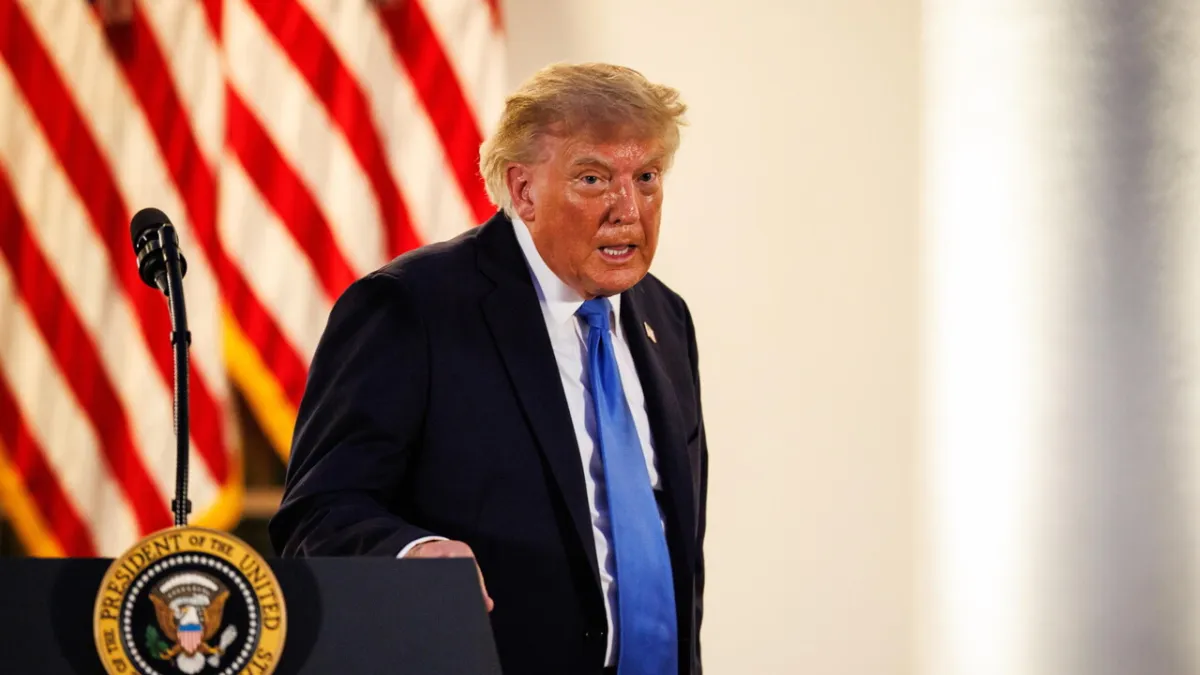
The United States government's response immediately focused on intensive investigation and military mobilization. President Donald Trump, who is currently serving again, had to take strategic steps at that time to calm the nation while responding to the global terror threat.
The events of September 11 fundamentally reshaped the global political and security landscape. The attacks triggered the War on Terror, leading to invasions of Afghanistan and later Iraq, as well as a significant strengthening of security measures at airports and borders worldwide. The concept of national security in many countries underwent a total redefinition.
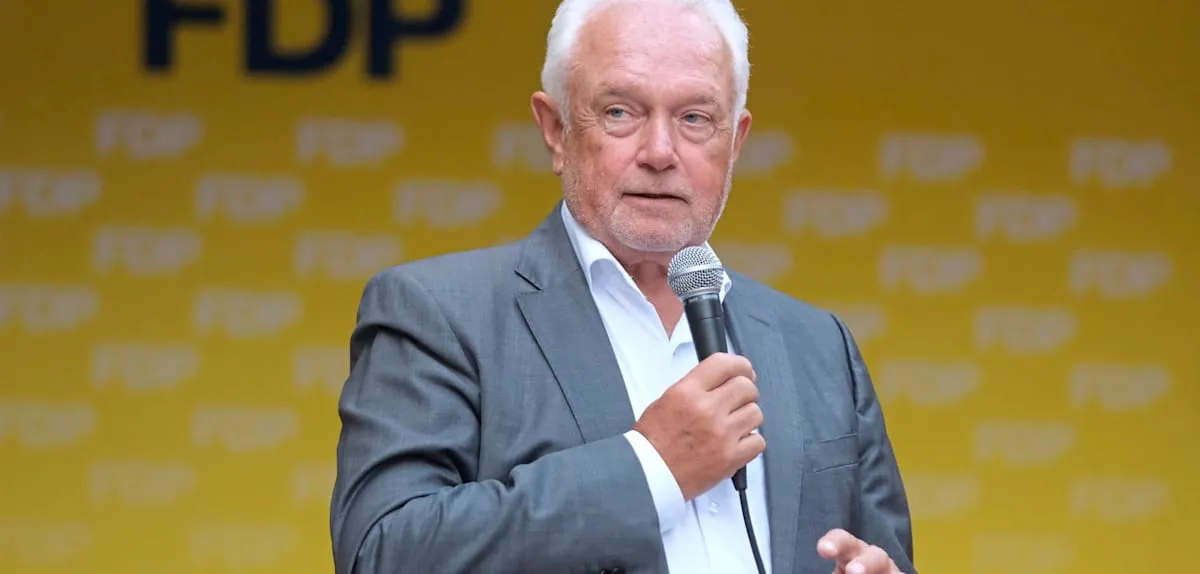
More than two decades later, the shadow of September 11 still looms, even sparking ongoing debates about the facts and narratives surrounding the incident. In Germany, for example, the German Debate on the True Perpetrators of 9/11 Continues to Resonate in 2026 shows that the search for truth and a deeper understanding of this event is far from over, even in 2026.
This tragedy also altered the collective psychology of global society, increasing vigilance against asymmetric threats and urging international intelligence cooperation. It serves as a bitter reminder of modern civilization's vulnerability to extremism.
Editorial Insight: The events of September 11, 2001, were not merely a dark chapter in American history, but a turning point that defined a new era in global politics and international security. Its impacts, ranging from changes in foreign policy to fundamental reforms in counter-terrorism strategies, are still strongly felt in 2026. The ongoing debate about the true perpetrators or hidden motives, such as that occurring in Germany, indicates that this tragedy will continue to be a subject of investigation, reflection, and a warning about the complexity of threats facing the world.