 Chandra Wijayanto
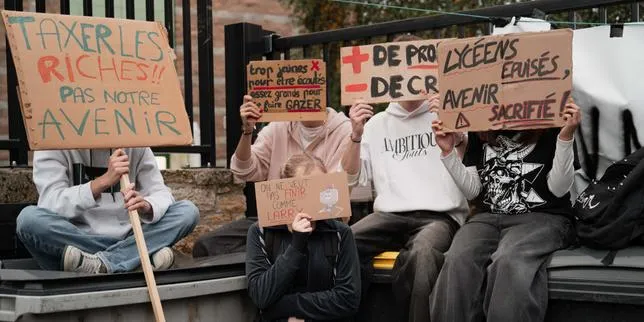
PARIS – Since November 2, 2026, the French National Education Ministry has faced sharp criticism over its altered method of reporting student mobilization data across high schools. This new policy is seen as deliberately obscuring the true scale of protests, as the government only releases figures for fully blocked schools, while information regarding partially disrupted schools or the number of student arrests remains undisclosed.
This increasingly opaque communication policy has sparked concerns among the public and educators alike. Many school principals state that the official data presented by the government is far removed from the reality on the ground, thereby downplaying the protest efforts undertaken by thousands of students.
The shift in reporting mechanisms occurred amidst a wave of discontent sweeping through the French education sector. Students have been demonstrating, demanding policy improvements and better government responses to critical educational issues.
Previously, the Education Ministry tended to be more open in providing details on school incidents, including the number of partially affected schools. However, this communication pattern drastically changed after November 2, creating the impression that the government is attempting to suppress the protest narrative.
The National Education Minister, who has yet to issue an official statement regarding these criticisms, faces pressure to explain the rationale behind the diminished data transparency policy. Society demands the right to accurate and complete information regarding its social dynamics.
Furthermore, the issue of student arrests has become a serious point of contention. For the past several days, the government has provided no data whatsoever on the number of students detained during demonstrations. This lack of clarity adds to a long list of questions regarding government accountability.
Such non-transparency can erode public trust, especially among parents and civil society, towards government institutions. Moreover, student demonstrations often serve as important barometers for social and political conditions in France.
Education observers highlight that this approach is counterproductive. Instead of defusing tension, attempts to conceal information actually risk escalating protests, as has frequently occurred in the history of student movements in France.
This situation also echoes previous debates concerning education reform and demands for equitable quality education. Related articles such as Combating Intolerance: French Teachers Urge Schools to Educate Critical Reasoning 2026 demonstrate the complexity of issues surrounding the French education system.
Transparency is a fundamental pillar in a democratic society. When a government chooses to withhold or manipulate information, it can lead to suspicions of hidden agendas or attempts to evade public accountability.
Editorial Insight: The French government's silence on the exact figures of student mobilization and arrests is a risky strategy. This is not merely a matter of data, but also of credibility and trust. In the long run, efforts to minimize the scale of protests can lead to deeper frustration among the youth and erode the legitimacy of educational policies. The government needs to adopt a more open approach promptly to prevent broader societal polarization.