 Angela Stefani
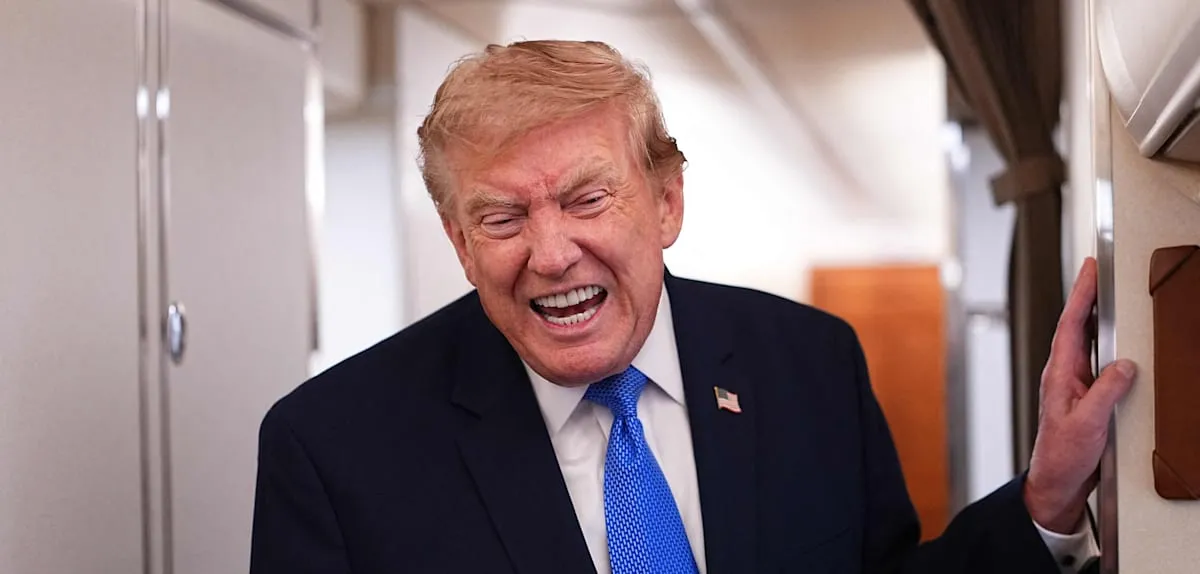
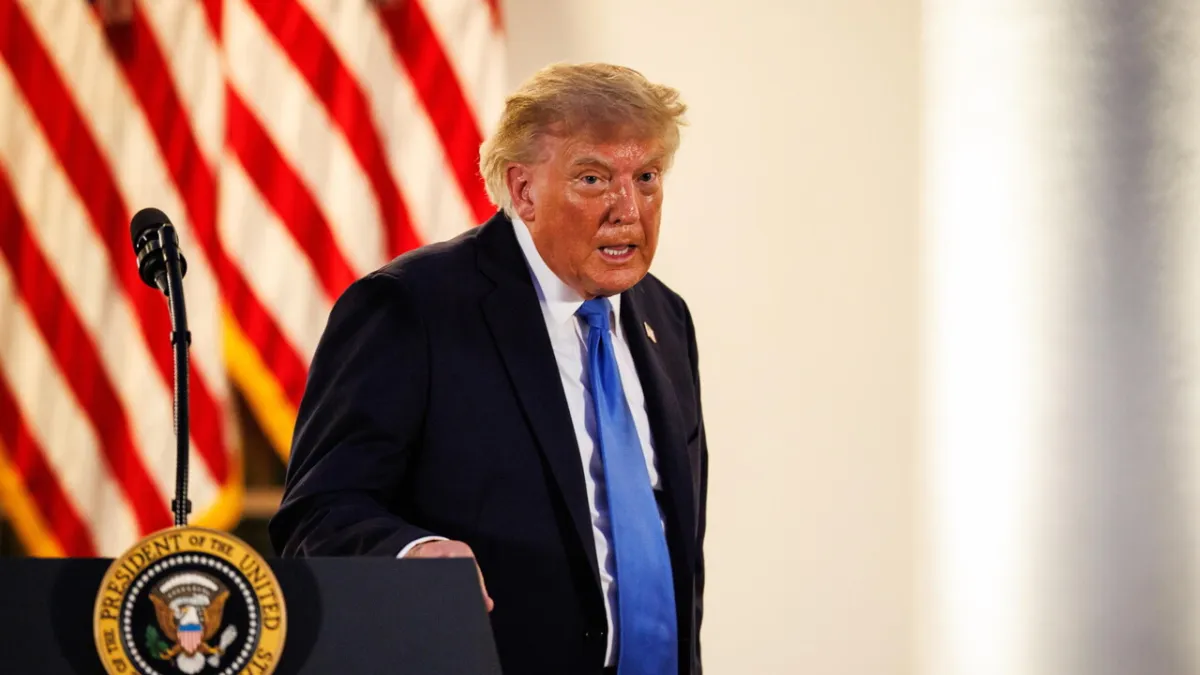
WASHINGTON — Donald Trump, the former President of the United States and now an influential political commentator, surprisingly announced the resumption of important talks between the US and Iran on Monday afternoon. Trump's statement came after he revealed that he had previously suspended planned military strikes due to "outlines of an agreement." His most striking claim is that Tehran was actually aware of the scope of the attacks the United States intended to launch, a fact he suggests forms the basis for future negotiations.
This announcement, scheduled to begin in the afternoon, marks a potential turning point in the tense bilateral relations between Washington and Tehran. The move is seen as an effort to de-escalate years of mounting tensions in the Persian Gulf region, often fueled by harsh rhetoric and limited military actions.
Trump, through his public statement, emphasized that the decision to suspend attacks in the past was not without reason. He highlighted the existence of "outlines of an agreement" which served as the basis for canceling military operations at that time, a detail previously not widely disclosed to the public.
Furthermore, the former White House leader also claimed that Tehran, the capital of Iran, had deep knowledge regarding the scale and type of attacks prepared by the United States. "They saw how the attack was brewing," Trump stated, indicating some form of communication or intelligence that allowed Iran to understand the threat they faced.
This claim regarding Iran's knowledge of the attack plans could alter the narrative surrounding past escalations, suggesting that both parties might have been involved in a more complex political and military game than appeared on the surface. This could also provide leverage in the upcoming talks, as hinted by Trump.
Geopolitical analysis suggests that statements from a figure of Trump's stature, even if no longer in office, still carry significant weight in global diplomacy. His influence on conservative elements in the United States and his views on foreign policy remain highly regarded.
The announced talks are expected to address various crucial issues, ranging from Iran's nuclear program, regional stability, to economic sanctions. Hopes for diplomatic progress have re-emerged after a long period of deadlock and uncertainty.
The Iranian government, through unofficial statements, is reportedly welcoming the opportunity for dialogue, albeit with caution. They reiterated their stance demanding respect for sovereignty and the lifting of sanctions as prerequisites for substantive progress.
The situation in the Middle East, particularly with dynamics in countries like Yemen and Syria, as well as tensions in international shipping lanes, elevates the urgency of US-Iran dialogue. Regional stability heavily depends on the ability of these two powers to find common ground. Issues like Gaza Bleeds Again: Eight Dead, A Child Victim of Israeli Attack also illustrate the fragility of peace in the region.
International observers highlight that any potential agreement reached would require strong support from the global community to ensure its sustainability and implementation. Given the complexity of the issues involved, the path to a lasting resolution remains long and challenging.
With this announcement, the diplomatic ball is back in play. The world will await the outcome of the talks, hoping to de-escalate one of the most intricate geopolitical tensions in 2026.