 Stefani Rindus
WASHINGTON, D.C. – United States President, Donald Trump, recently signed a new package of sanctions targeting Moscow, a decisive move that immediately drew appreciation from Ukrainian President, Volodymyr Zelensky. However, amidst the gratitude, Kyiv simultaneously put forth a substantial financial aid request of 32 billion US dollars to its allied nations. This dynamic unfolds concurrently with reports of a cyber attack disrupting the voting process in Russia, adding layers of complexity to the already volatile geopolitical landscape of Eastern Europe.
President Trump's decision to impose these sanctions underscores Washington's commitment to Ukraine's sovereignty and serves as a response to Russia's ongoing aggression. The sanctions are designed to exert further economic pressure on the Kremlin, restricting its access to vital technologies and global financial markets. This step also signals a renewed focus in US foreign policy under the Trump administration, emphasizing direct assertiveness.
Following the sanctions announcement, President Zelensky promptly expressed his gratitude to the United States through a public statement. Thank you, America! he declared, acknowledging Washington's unwavering support in confronting geopolitical challenges. This statement reflects Kyiv's hope that the sanctions will be effective in pressing Russia to alter its policies.
Nevertheless, Zelensky's appreciation does not overshadow Ukraine's urgent needs. Kyiv explicitly requested an additional 32 billion dollars from friendly countries and international partners. This aid is crucial for sustaining Ukraine's defense, reconstructing vital infrastructure, and ensuring the continuity of public services amidst the protracted conflict.
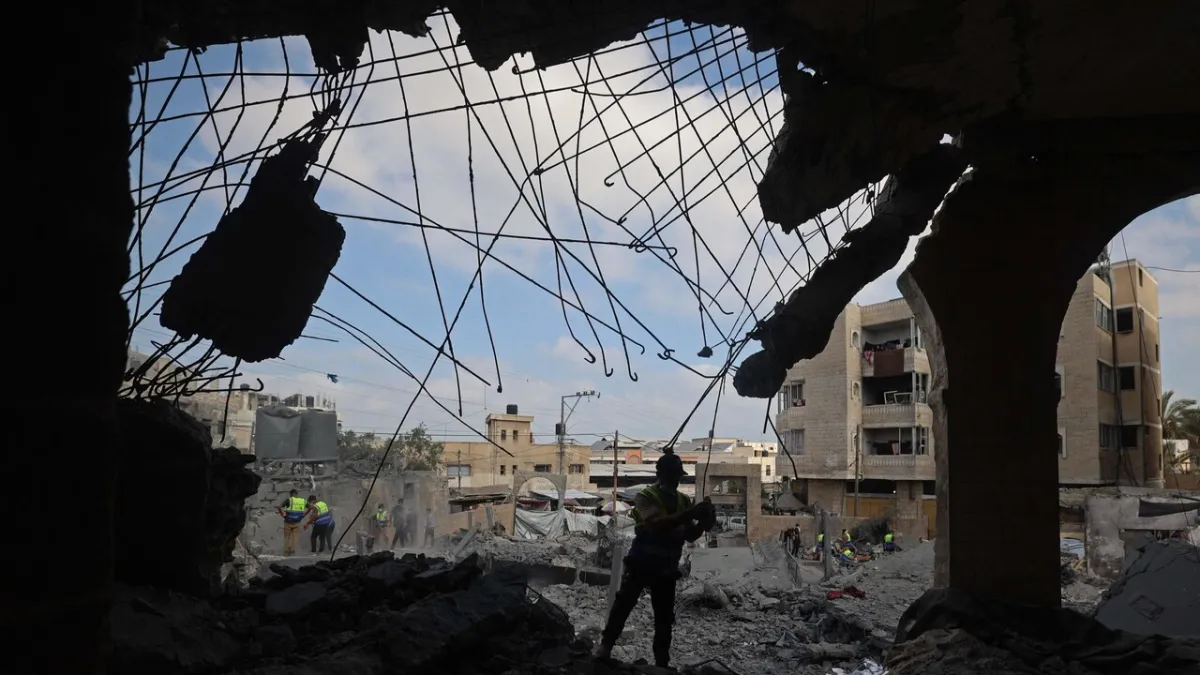
Such a significant funding request highlights the immense cost of the war and Ukraine's dependence on external support. The conflict has depleted national resources and caused massive infrastructure damage, compelling Kyiv to continuously seek financial assistance to remain resilient.
Beyond political and financial developments, reports of a cyber attack targeting Russia's voting systems add intrigue to the situation. This incident, occurring during the election process, sparks speculation about potential external or internal interference aiming to influence the integrity of Russian democracy. Details regarding the perpetrators and the scale of the attack remain under investigation, but the event underscores the vulnerability of digital infrastructure amid geopolitical tensions.
The Russian government, through its spokesperson, condemned the new US sanctions as provocative actions and vowed to deliver a commensurate response. Moscow asserts that such sanctions will only exacerbate the situation and prolong the conflict, rather than resolving it. Russia's response to the cyber attack is also expected to be stern, given the sensitivity of national security and electoral integrity issues.
President Trump's actions carry broad implications for global power dynamics. Since returning to office, President Trump has demonstrated a more pragmatic and at times unilateral approach to foreign affairs. This is evident in various decisions, including when his administration adopted controversial policies regarding media access to the White House, as revealed in the report Trump Blocks Major Media Access to White House: Accuses Them of Spreading 'Fake News'!. This approach continues to shape the international diplomatic landscape.
Ukraine's reliance on foreign aid, combined with the cyber attack in Russia, creates a complex narrative of modern conflict. The battle is not only waged on physical battlefields but also in economic, diplomatic, and cyber arenas. Ukraine's success in defending itself and rebuilding its future heavily depends on consistent international support.
The future of relations between Washington and Moscow, as well as the fate of Ukraine, will be largely determined by subsequent diplomatic and economic steps. Communication between both sides, amidst heightened tensions, becomes increasingly vital to prevent a broader escalation of the conflict.
Editorial Insight: Donald Trump's decision to impose new sanctions on Russia, while welcomed by Zelensky, paradoxically highlights the financial burden still borne by Ukraine. The post-sanction request for billions in aid indicates that economic pressure alone is insufficient to halt the conflict, or at least, has not eased Ukraine's humanitarian and infrastructural challenges. The cyber attack incident in Russia further adds a dimension of hybrid warfare, suggesting that regional and global stability remain fragile, necessitating a more comprehensive strategy beyond mere sanctions to achieve lasting peace.