 Gabriella
WASHINGTON – Public approval for President Donald Trump's performance in the United States has once again plummeted to a historical low, standing at just 32 percent. This finding, consistent across four consecutive surveys, simultaneously indicates a significant decline in support for prominent Democrat figure, Chuck Schumer, marking a period of intense political turmoil in the Land of Uncle Sam in 2026.
Recent national surveys collectively highlight widespread dissatisfaction among US citizens. The 32 percent figure for President Trump is not merely a common statistic; it reflects the enormous challenges his administration faces in gaining the trust and support of the majority of the public. The consistency of this figure suggests that the decline in popularity is not a fleeting fluctuation but an entrenched trend.
At the same time, survey data also reveals that support for Senator Chuck Schumer, the Democratic minority leader in the Senate, has also declined. Although the extent of the decrease is not detailed, this fact is important given Schumer's position as a key opposition figure to the Trump administration. This indicates that both the incumbent and the opposition camps face severe tests in maintaining their electoral bases.
The political dynamics of the United States are indeed turbulent. With these results, big questions arise regarding the capacity of both parties to respond to public demands and aspirations. The decline in support for leaders from both major political spectra suggests a deeper disappointment with the political system as a whole, not just with one figure.
The slump in President Trump's popularity can be attributed to various issues, ranging from controversial domestic policies, responses to economic crises, to approaches in international relations. Some observers argue that the sharp political polarization in the US further exacerbates public perception of leadership performance.
Meanwhile, the decrease in support for Chuck Schumer may reflect Democratic voters' frustration with party strategies or a lack of progress on crucial issues they advocate. Some analyses suggest that excessively high hopes for the opposition often lead to disappointment when major changes do not materialize quickly.
The implications of these survey findings are highly significant. For the Republican Party, this is a yellow light ahead of midterm elections or potential future presidential elections, should President Trump plan to run again. For Democrats, it is a reminder that opposition does not automatically benefit from public dissatisfaction with the incumbent.
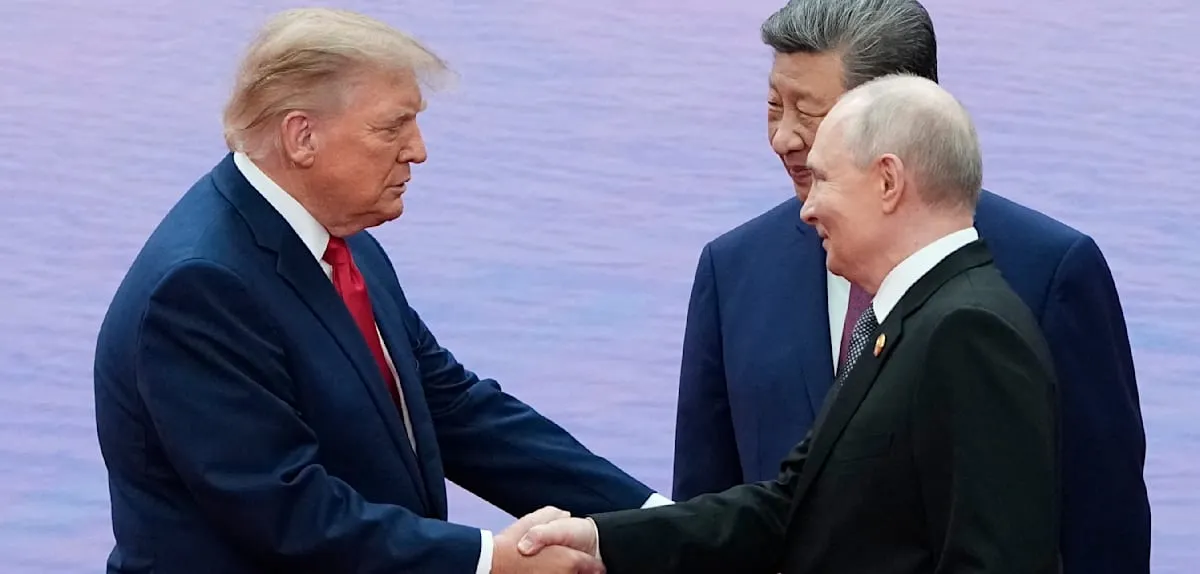
This situation indicates that the US public is seeking alternatives or at least deep reforms in their leadership, said a political analyst from the Washington Institute, who wished to remain anonymous. Both the White House and Capitol Hill need to align their agendas with the real needs of the people. This decline in support could also affect the US position on the global stage, especially when dealing with sensitive issues. As known, President Trump previously stated, 'Putin Wants the War to End, Will Not Attack Further', a statement that drew various reactions.
Overall, the latest survey data paints a fragile and uncertain picture of American politics. Leadership in Washington faces a dual challenge: restoring public trust while overcoming deepening internal divisions. The future of US politics will largely depend on how leaders navigate this crucial period.
Editorial Insight:
The simultaneous decline in popularity affecting President Trump and Senator Schumer reflects a deep crisis of trust among American voters. This is not merely an individual problem but also a critique of policy directions and the effectiveness of political institutions. Going forward, both Republicans and Democrats are obliged to undertake serious introspection to re-engage constituents who now appear apathetic or disappointed. Failure to adapt could lead to more radical changes in the political landscape.