 Angela Stefani

BRUSSELS – The European Union demonstrates restraint in addressing the crisis in Ceuta, Spain, following the visit of its mayor to Brussels. The emergency discussion held during the Plenary session of the European Parliament concluded without a concrete resolution, sparking debate over the bloc's priorities in protecting the European axis.
Ceuta's Mayor, Juan Vivas, traveled to the heart of European institutions hoping to gain tangible support and quick solutions for the uncontrolled migration pressure continuously affecting the Spanish autonomous territory. Ceuta, as a Spanish exclave in North Africa, serves as a primary gateway for thousands of migrants attempting to reach mainland Europe.
However, Vivas' plea appears to have hit a wall of bureaucracy and differing views among member states. Sources within the European Parliament indicate that despite sympathy for the situation on the ground, most delegates insist on comprehensively analyzing the root causes before taking hasty action.
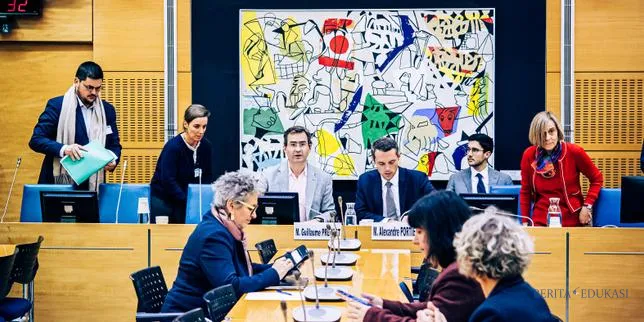
The Plenary session, a crucial platform for discussion, focused on migration dynamics and the security of the European Union's external borders. Representatives from various political factions voiced concerns, yet a consensus to approve a resolution urging direct action for Ceuta has not been reached.
The primary reason behind this restrained response is the concern to protect the 'European axis' (europeist axis). Diplomats fear that unilateral or overly swift actions could disrupt the diplomatic balance among member states, especially when dealing with sensitive and often divisive issues like migration.
This situation underscores the political challenges facing the European Union in formulating a unified migration policy. Diverse national interests often hinder a quick and effective collective response, even when a real humanitarian crisis unfolds at the borders.
For the residents of Ceuta, this delay means prolonged uncertainty. Vivas, in his statement to local media after the meeting, expressed his disappointment but remained optimistic that dialogue would continue. We came to bring the voice of Ceuta's people, who yearn for clarity and concrete support, he stated.
Ceuta's situation echoes the dynamics at various other external European Union borders, where frontline countries often feel abandoned when facing waves of migration. Similar issues have also arisen in the context of diplomatic crises in other regions.
Moving forward, pressure on the European Union to find long-term solutions for Ceuta will intensify. Further discussions are expected to produce a more responsive and equitable framework that considers not only border security but also humanitarian aspects.
This complexity demands a more holistic strategy, involving careful diplomacy and adequate resource allocation, so that the European Union can maintain its credibility as an entity concerned with human rights as well as regional security.
Editorial Insight: The European Union's 'restrained' response to the Ceuta crisis reflects the bloc's perennial dilemma: balancing internal solidarity with rapid external crisis response. The priority to protect the European axis, though essential for internal cohesion, risks creating a perception of slowness or even neglect towards crisis points at its borders. This demonstrates the intricate difficulty in achieving consensus among 27 member states, particularly when dealing with complex and politically charged issues like migration.