 Debby Wijaya
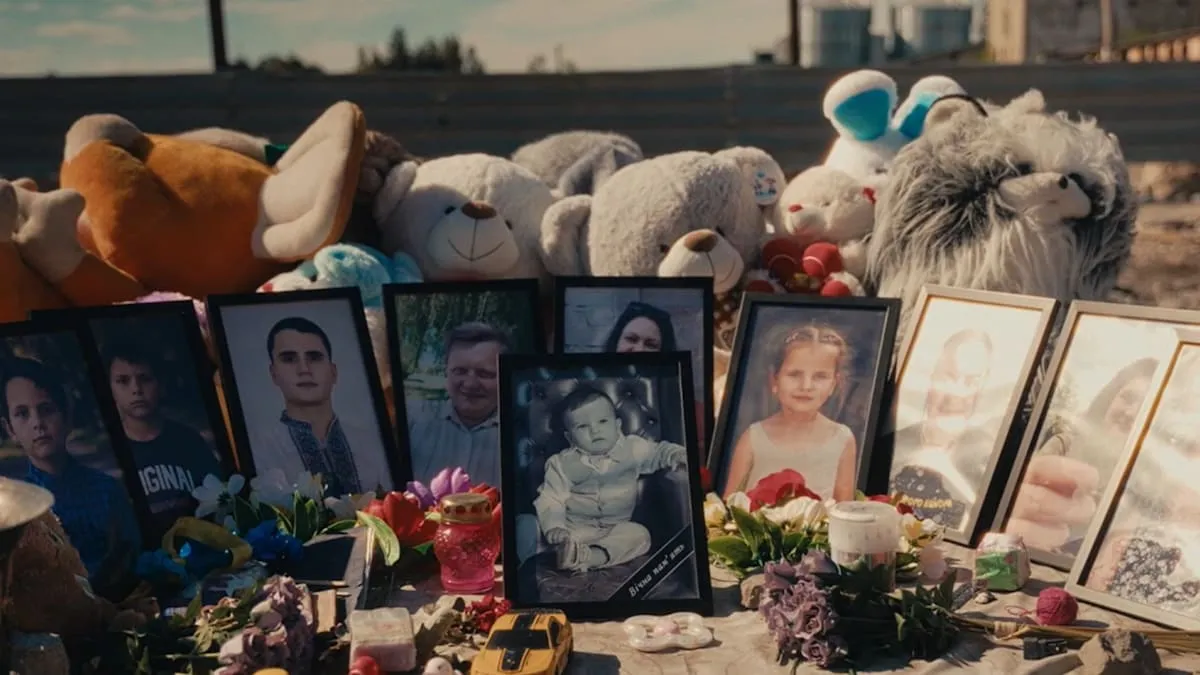
UKRAINE – A harrowing and tragic story has emerged from the front lines of the Russia-Ukraine conflict in 2026. Danilo, a 23-year-old man, is grappling with the devastating reality that his entire family—both parents, seven siblings, and his only son—perished instantly in a Russian missile strike that obliterated their home. This tragedy, which befell Danilo, symbolizes the thousands of other families torn apart by military aggression.
WELT reporter Ibrahim Naber, covering live from the scene, described the sheer devastation of the attack. Dort, wo der Krater ist, war das Kinderzimmer, Naber quoted a witness, echoing the horror: 'There, where this crater is, was once the children's room.' This statement highlights the total destruction that wiped out a family.
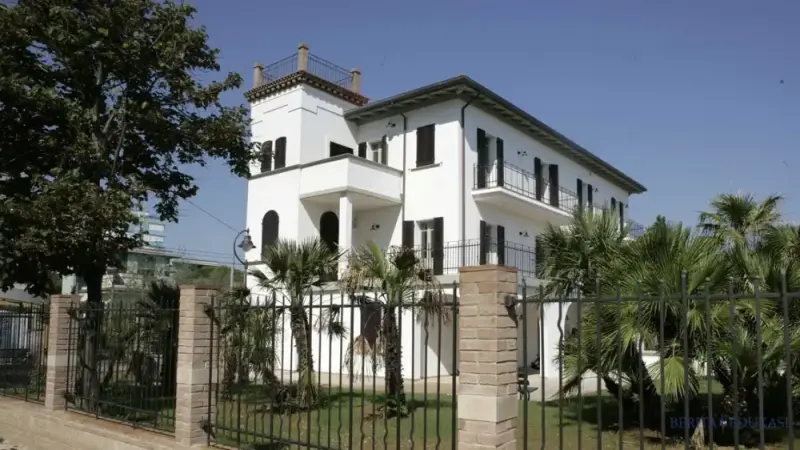
Danilo, with a vacant stare, walked through the ruins of what was once his home. He tried to find remnants of memories but found only heaps of twisted concrete and metal, silent witnesses to the barbarity of war. Losing nine family members at once is an unimaginable blow for anyone.
The ongoing Russian invasion has inflicted deep wounds on Ukrainian society. From the escalation of the conflict in previous years until 2026, data indicates tens of thousands of civilians have become casualties, either killed or displaced. Ballistic missile attacks frequently pose a deadly, indiscriminate threat.
The United Nations (UN) and various international humanitarian organizations continue to call for a cessation of hostilities and protection for civilians. However, these calls often go unheard amidst complex geopolitical interests. This conflict not only destroys physical structures but also tears apart the social and psychological fabric of society.
The attack on Danilo's family occurred in the early hours of the morning. They were presumably asleep when the missile struck. Rescue teams arriving at the scene found only total destruction and no signs of life. The identification process for the victims proved difficult due to the condition of the remains.
Now, Danilo must face the future alone, without relatives. Deep trauma will haunt him for life. His story is not just a statistical figure in a war report but a real representation of the soul's destruction caused by armed conflict.
The international community, including Paus Leo XIV from the Vatican, has repeatedly called for peace and consolation for those affected. We must strive to break this cycle of violence, said Paus Leo XIV in one of his globally broadcast speeches, emphasizing the importance of dialogue and an end to human suffering.
Tragedies like Danilo's are not isolated incidents. Incidents such as missiles hitting Kyiv or drone attacks in Moscow demonstrate that tensions remain high, and civilians are always the primary victims of this conflict.
Many parties demand accountability for the war crimes committed. However, international legal processes are often hampered by political realities. Danilo's case serves as a painful reminder of the human cost paid dearly in every conflict.
Editorial Insight: The tragedy of Danilo's family in Ukraine is a brutal manifestation of the human cost in prolonged warfare. This case is not merely an isolated incident; rather, it reflects the failure of global diplomacy to protect civilians from the atrocities of armed conflict. The long-term impact on generations who have lost family and home will continue to be a significant challenge, requiring comprehensive rehabilitation and reconciliation efforts that extend far beyond the cessation of physical combat.