 Debby Wijaya
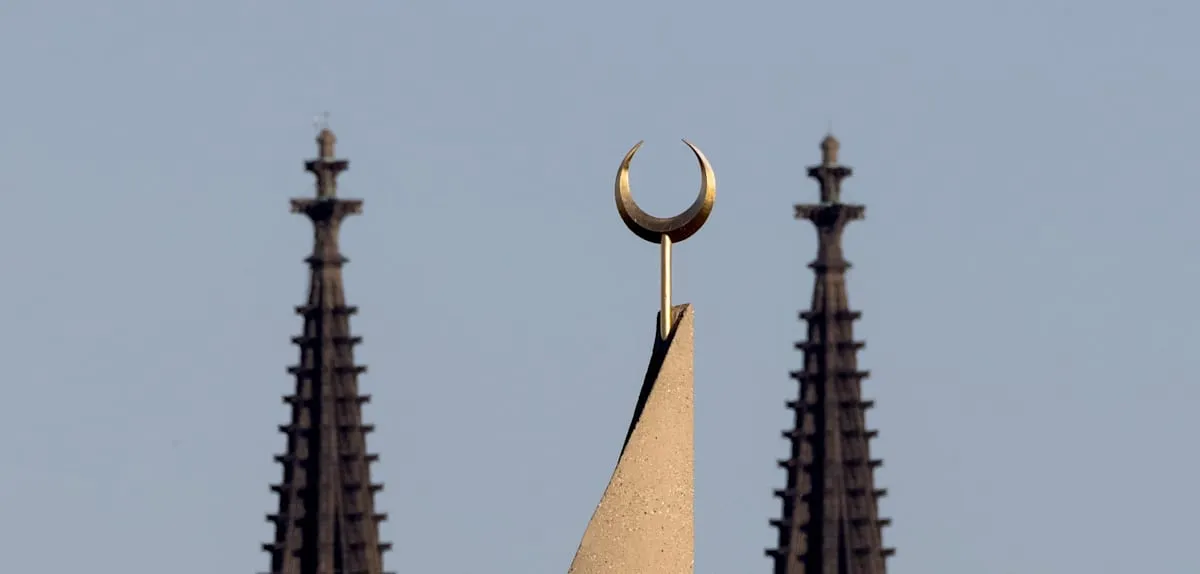
Nordrhein-Westfalen — Christian and Muslim communities in Nordrhein-Westfalen, Germany, are reportedly building an unexpected synergy throughout 2026. This collaboration aims to counter the growing wave of secularism that is eroding spiritual and moral values in the European public sphere. This strategic initiative emerges as a response to the polarization often accompanying religious issues, such as permission for muezzin calls and mosque construction, where major churches seek to find a constructive stance, moving beyond the dichotomy of Islamophobia and Islamophilia.
The challenge of secularism in Europe, particularly Germany, has long been a field of debate. Questions regarding the role of religion in modern society, the right to worship, and the public expression of faith often spark tension. This situation prompts religious institutions, both Christian and Muslim, to re-evaluate their advocacy and dialogue strategies.
Historically, debates surrounding the call to prayer from mosque minarets or the establishment of Muslim worship complexes often placed Christian communities in a dilemma. Traditional churches were frequently pressed to declare their stance, caught between concerns about the erosion of Western cultural identity and the need to uphold religious tolerance.
However, recent reports indicate a paradigm shift. Major churches in Nordrhein-Westfalen, a region with a significant Muslim population, are no longer trapped in outdated rhetoric. They are seeking deeper solutions, recognizing that threats to religious freedom transcend denominational boundaries.
This movement toward synergy is rooted in the understanding that extreme secularism can jeopardize the existence and expression of all religions. Both Christians and Muslims equally face pressure to marginalize their religious identities from the public domain, a trend considered detrimental to the foundations of a pluralistic society.
Through a series of interfaith dialogue forums and workshops, Christian and Muslim leaders are actively discussing ideological common ground. They recognize shared fundamental values, such as social justice, family protection, and humanitarian ethics, which can form the basis of a joint struggle.
This effort is not without obstacles. Theological differences and historical conflicts remain challenges to be navigated judiciously. However, the primary focus is to create a narrative of unity that emphasizes the positive contributions of religion to social cohesion, rather than divisive differences.
One concrete initiative is the formation of joint working groups tasked with formulating policy recommendations to local governments on issues of religious freedom. These teams are expected to provide balanced input, representing the voices of broader faith communities.
This development reflects the maturity of religious institutions in addressing the social realities of Germany 2026. They are now more proactive in redefining the role of religion as a constructive partner for the state and society, rather than an isolated or even threatened entity.
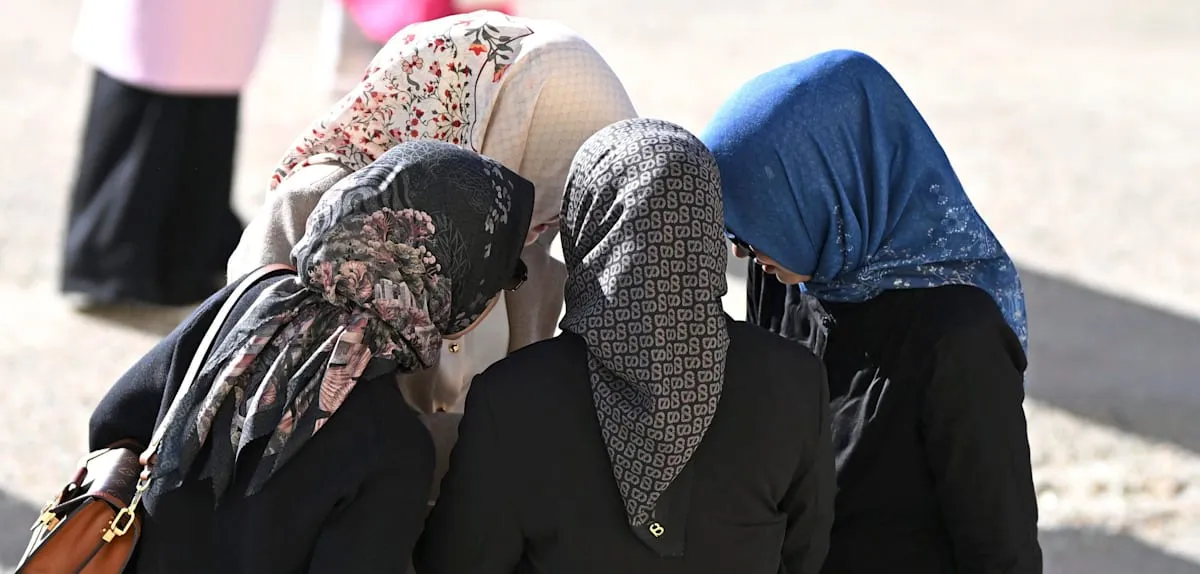
The situation in Germany is also relevant to broader debates in Europe, as seen in migration and cultural policies in neighboring countries. For instance, in Austria, debates concerning religious regulation and cultural identity have arisen with tighter migrant rules and policies related to religious symbols. This underscores the urgency for faith communities to unite in advocating for their rights amidst a changing political landscape, similar to issues highlighted in the article Austria Tightens Migrant Rules: Bans Children's Headscarves, Cuts State Aid.
Furthermore, Germany's Minister of Culture, Claudia Roth, in 2026, frequently highlights how 'wokeness' and nationalism can become sources of a 'cultural war' threatening societal cohesion. This perspective reinforces the urgency for religious groups to demonstrate that faith can indeed be a bridge to peace, not a catalyst for conflict, as once discussed in the article German Minister of Culture: Wokeness and Nationalism Sources of Culture War.
The Christian-Muslim collaboration in Nordrhein-Westfalen is not just about defending religious rights but also about shaping a more inclusive and value-based future for society. This is a significant step forward in mitigating polarization and strengthening the social fabric of Germany.
Public policy observers state that this initiative could serve as a model for other regions in Europe facing similar challenges. Success in Nordrhein-Westfalen has the potential to transform perceptions of interfaith interaction and their role in countering secularization trends.
While still in its early stages, this synergy marks a new era in interfaith relations. With a focused approach and political will from spiritual leaders, Christian and Muslim communities are proving that dialogue and cooperation can overcome differences and strengthen the foundations of a faith-based society amid the growing wave of secularism.
The importance of this initiative cannot be overstated. Amidst various global conflicts and tensions, this model of interfaith collaboration in Germany 2026 offers a glimmer of hope for a more peaceful and harmonious future, where differences in belief are no longer a source of division, but a strength to build a better society.