 Debby Wijaya
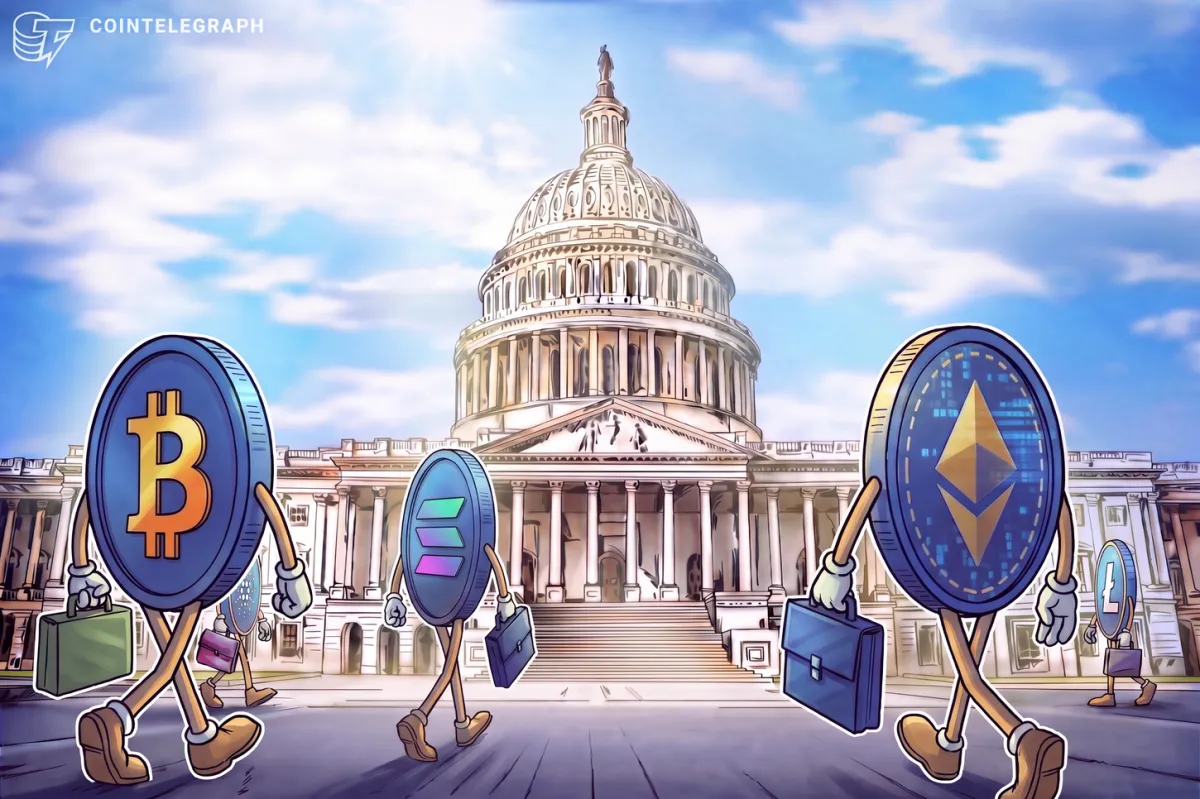
WASHINGTON – The unresolved races for seats in the United States House of Representatives are opening a significant opportunity for cryptocurrency advocacy groups. They are working intensely to ensure pro-crypto candidates secure legislative positions, potentially altering the digital asset regulatory landscape in Congress in 2026.
This situation arises from a number of contests that have yet to be called, where candidates either hold pro-crypto stances or have not stated a position at all. This condition is seen by lobbyists as a 'golden opportunity' for intensive outreach and education.
Advocacy groups such as the Blockchain Association and Coin Center have intensified their efforts, channeling campaign funds and strategic support to candidates who show openness to blockchain innovation. They believe that innovation-friendly regulation is key to the growth of the United States' digital economy.
This is not just an ordinary political battle; it's a fight for the future of financial innovation, said an anonymous source from a leading crypto lobbying firm in Washington. Every seat we can influence will have a long-term impact on how America responds to the digital revolution.
Analysis indicates that about a dozen seats remain 'undecided' or 'too close to call.' This number, while small in total, is crucial given the slim majority in the House of Representatives.
Candidates without a clear position on crypto are primary targets. Advocacy groups see them as blank canvases that can be painted with a vision of a strong and secure digital technology-based future.
A key issue being pushed is a clear and consistent regulatory framework, in contrast to the fragmented approach adopted by various oversight bodies such as the SEC and CFTC. They want rules that support innovation without hindering growth.
Data center restrictions in the U.S. are also a serious concern for the crypto industry, given their implications for Bitcoin mining and the potential dominance of AI, said a market analyst from New York. This issue is increasingly relevant as U.S. data center restrictions could affect Bitcoin miners' potential dominance in AI development.
This increased crypto lobby influence could respond to the urgent need for legislation that accommodates the rapid development of technology, including decentralized finance and non-fungible tokens (NFTs).
If the number of crypto allies in Congress increases, we could see a stronger legislative push for consumer protection, tax clarification, and the development of digital infrastructure that supports the digital asset ecosystem.
Political observers in Washington DC anticipate that this dynamic could shift the balance of power in key committees responsible for financial and technological oversight.
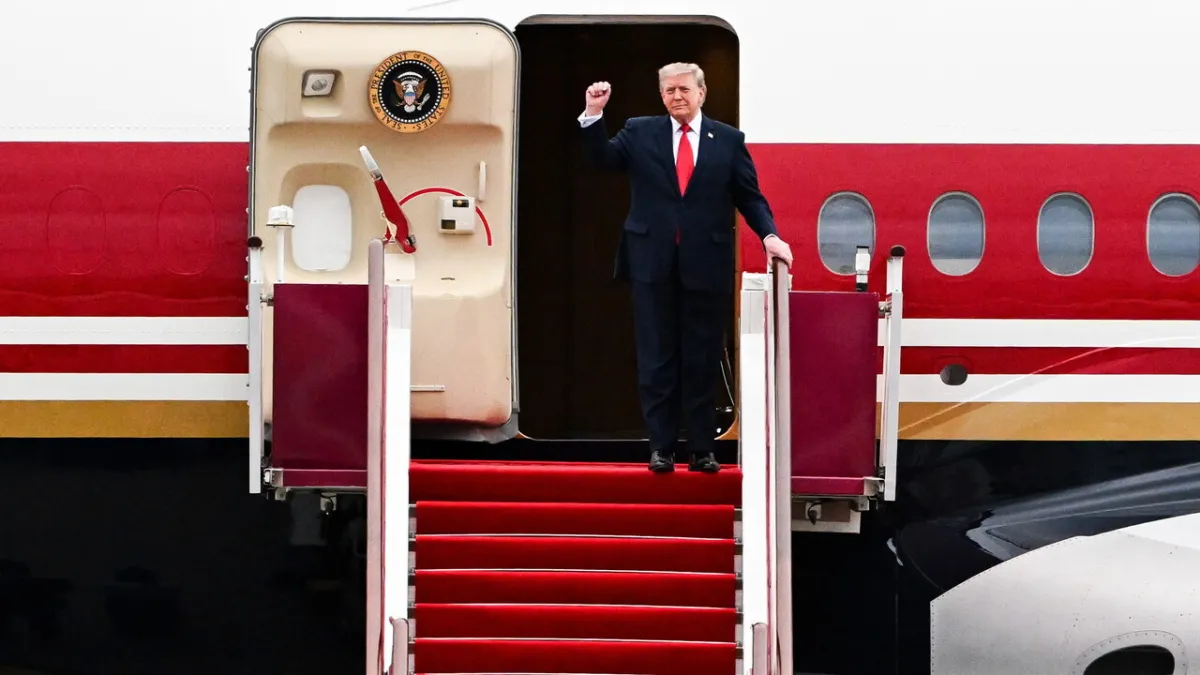
U.S. President Donald Trump, who returned to office in 2026, has shown varied interest in technology and digital economy issues. The growing influence of the crypto lobby in Congress could affect the direction of his administration's policies regarding digital assets.
Editorial Insight: The unresolved races in the U.S. Congress mark a critical juncture for the cryptocurrency industry. If advocacy groups succeed in propelling more pro-crypto politicians to Capitol Hill, we can expect a paradigm shift in regulation. This is not merely about economic gain but also about how the United States positions itself as an innovation leader in an increasingly digital global arena. The success of this lobbying effort will determine whether the future of crypto in the U.S. will be conducive to growth or hampered by conservative policies. The implications will be far-reaching, from retail investors to giant technology corporations.