 Chris Robert
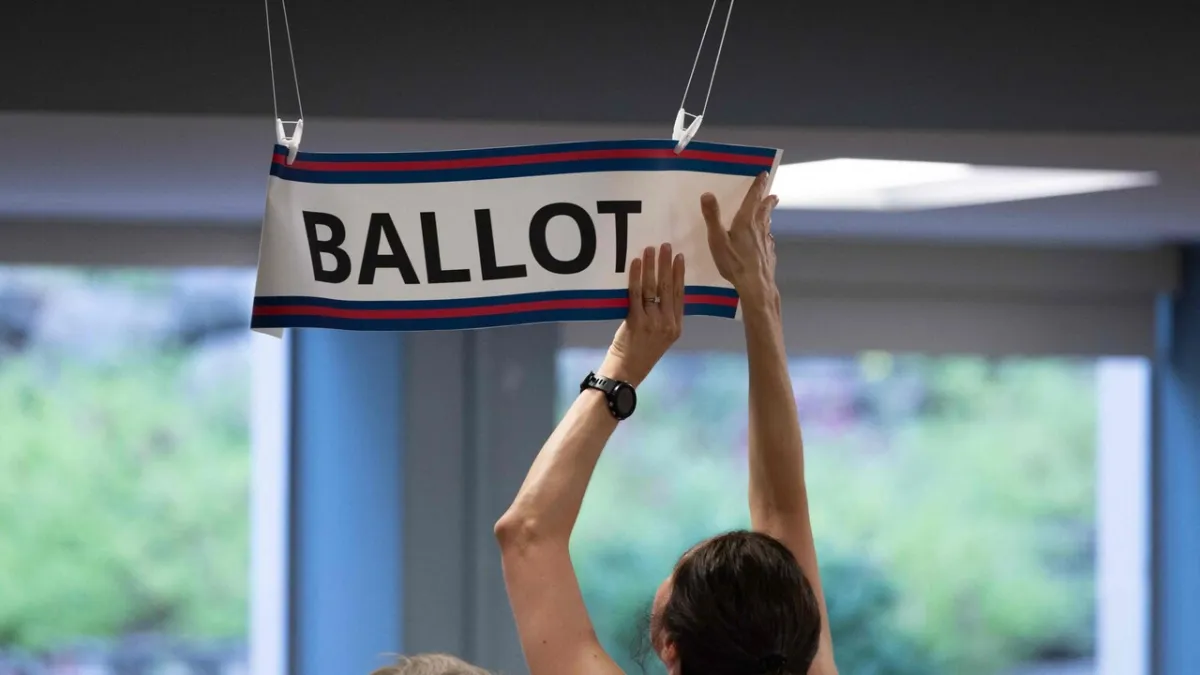
WASHINGTON – The United States Democratic Party has dramatically reshaped its national political landscape by revamping the presidential primary calendar ahead of the 2028 elections. This strategic decision positions South Carolina and Nevada as the initial states to host the contests, marking a significant shift that prioritizes minority communities.
This fundamental change comes as a response to longstanding criticisms regarding representation and diversity within the candidate selection process. The traditional primary calendar, which placed Iowa and New Hampshire first, was often criticized for its predominantly white and rural demographics, deemed unrepresentative of the overall diversity of Democratic voters.
Historically, Iowa and New Hampshire held pivotal positions in setting early momentum for presidential hopefuls. However, criticism intensified that this system overlooked crucial voices from communities of color and urban areas, which constitute vital electoral bases for the Democratic Party.
The Democratic National Committee (DNC), following a series of internal debates and evaluations, formally approved these calendar reforms. This bold move is expected to reshape how candidates interact with voters and the agendas they champion from the outset of their campaigns.
South Carolina, now positioned at the forefront, boasts a track record as a critical swing state. Its strong African-American voter base has proven to be a crucial factor in determining candidates' trajectories in previous elections. Placing it first ensures that issues relevant to minority communities receive paramount attention.
Following South Carolina, Nevada will host the next primary. Nevada is known for its highly diverse minority demographics, including significant Hispanic and Asian-American populations, as well as a strong union presence. This ensures candidates must build broad coalitions early on.
Internal party reactions have been varied. Many progressive factions and minority community leaders have lauded the decision, viewing it as a concrete step towards inclusivity. However, some representatives from traditional early states like Iowa and New Hampshire have voiced disappointment over losing their privileged positions.
This primary calendar overhaul is projected to influence the type of candidates who emerge and their campaign strategies. Presidential hopefuls are expected to invest time and resources earlier in more diverse states, building grassroots connections with constituents who might have previously been overlooked in initial stages.
This decision also highlights the Democratic Party's efforts to strengthen its core base ahead of the 2028 election, especially in the context of the 2026 US political landscape, which sees Donald Trump serving again as President. This strategy is designed to ensure the most representative and strongest candidate can emerge to challenge the Republicans.
Potential risks persist. This shift could alienate some voter groups in the former early states who now feel their voices are less prioritized. The challenge for the Democratic Party will be to navigate this transition while maintaining unity across its spectrum of supporters.
Editorial Insight: The Democratic Party's decision to revamp its primary calendar is a bold political gamble reflecting a strategic effort to solidify their core electoral base. By prioritizing demographically diverse states, Democrats hope to foster a more representative candidate who resonates with crucial minority voters. However, the success of this move will heavily depend on the party's ability to manage resistance from internal factions and prove that the promised inclusivity is not just rhetoric, but a foundation for victory in 2028.