 Angel Doris
Washington – The United States Department of Energy last month formally issued a strong warning to Rosatom, Russia's state-owned nuclear energy firm. The core of the warning was unequivocal: Moscow is strictly prohibited from touching sensitive American nuclear technology located within a nuclear power plant (NPP) in Ukraine. This incident adds to the long list of geopolitical tensions between the two global powers, particularly concerning the ongoing conflict in Ukraine.
This warning, delivered via an official letter, signals Washington's serious concerns regarding the potential misuse or damage to these critical facilities. The presence of American nuclear technology in a conflict zone is a crucial point that could trigger a broader, unpredictable escalation beyond the bounds of conventional warfare.
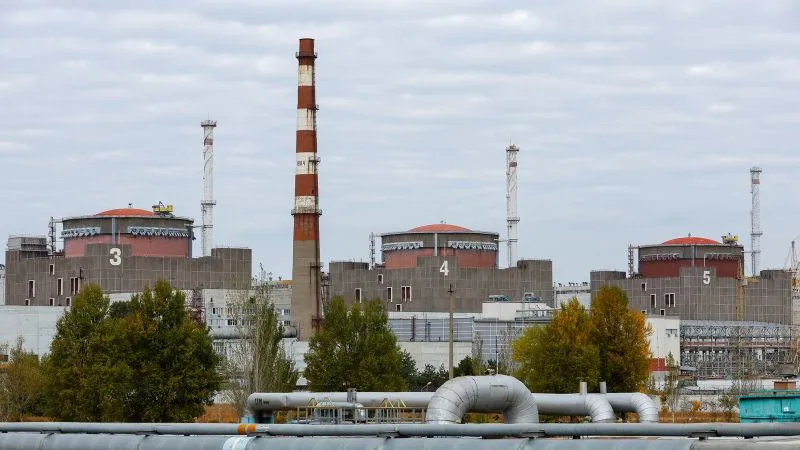
Ukraine, as the primary theater of conflict, houses several vital NPPs that have become strategic targets for both sides. Since the Russian invasion, some nuclear facilities, including the Zaporizhzhia Nuclear Power Plant, have come under Russian control, raising global concerns about nuclear safety. The American technology in question likely pertains to control systems, specialized fuel, or other critical components supporting the NPP's operations.
President Donald Trump's administration, which returned to office in 2025, has reaffirmed its commitment to protecting American assets and interests worldwide. This warning is a manifestation of that policy, emphasizing that any actions threatening vital US technology will not be tolerated.
The threat to nuclear technology is not solely about ownership but also about the implications for radiation safety and non-proliferation. If the technology is tampered with without proper authorization or expertise, the risks could include radiation leaks, permanent damage, and even potential dual-use applications that threaten global stability.
Although specific details of the technology remain undisclosed, it is clear that Washington considers it highly valuable and a potential flashpoint for a new conflict. This situation underscores the precarious control over critical facilities in a war zone.
International organizations such as the International Atomic Energy Agency (IAEA) have repeatedly voiced their concerns about the safety of NPPs in Ukraine. The presence of military forces around or within nuclear facilities always sets a dangerous precedent, and this US warning reinforces the urgency of calls for demilitarization of the zone.
Tensions between the US and Russia have reached a boiling point on various fronts. Previous reports indicated Russia was experiencing significant military pressure, as highlighted in the article Russia in Decline: WWII-Era Tanks Deployed, West Highlights Military Setback. Provocative actions, such as this warning, further complicate diplomatic efforts to de-escalate the crisis.
Moscow has not yet issued a public official response to this warning letter. However, history shows that Russia tends to resist external intervention in areas it considers within its sphere of influence, particularly in Ukraine. This stance could potentially lead to retaliatory or counterproductive actions that further increase instability.
The world watches closely how Moscow will respond to this warning. Will they comply, or will they ignore it and risk a greater escalation? This gamble is not just about sovereignty but also about the potential for an avoidable catastrophe at the heart of Europe.
Washington's move is not without precedent. For years, the US has positioned itself as a guardian of global nuclear non-proliferation security. Such strong rebukes indicate that certain red lines must not be crossed, even in the context of war.
The long-term implications of this incident could be far-reaching. It could affect foreign policy, military alliances, and even global energy markets. The conflict in Ukraine, already a burden on the world economy, is now threatened by a more serious nuclear dimension.
Considering Putin Threatens Europe in Retaliation, Seizure of Russian Ships Triggers Geopolitical Escalation, Moscow's response to this warning will be a critical indicator of the future direction of US-Russia relations.
Editorial Insight: The explicit US warning to Russia regarding nuclear technology in Ukraine represents a serious verbal escalation. It indicates that Washington is not only focused on military support for Kyiv but is also actively protecting its strategic interests, especially concerning sensitive technology. Russia's response will be crucial; ignoring this warning could trigger a more assertive response from the US and its allies, potentially bringing the conflict into a new, more dangerous phase. This is a high-stakes power play involving global nuclear security.