 Stefani Rindus

WASHINGTON – The United States Senate in 2026 officially passed a controversial Bill aimed at restricting prediction markets, particularly those linked to war, assassination, and death events. This decision, known as the DEATH BETS Act, was made after a series of lengthy debates and serious concerns regarding potential insider trading and disturbing ethical implications for the integrity of the national financial system.
This legislative action reflects a deep effort to prevent high-risk speculation that could undermine national security and offend public morals. Legislators expressed concern that these types of prediction market contracts could be misused to profit from tragedies, potentially even creating perverse incentives for certain individuals or groups.
The Act explicitly prohibits all forms of prediction market contracts whose outcomes are tied to events involving armed conflict, attempts on public figures' lives, or the death of individuals. The primary focus is to eliminate loopholes that would allow unscrupulous parties to manipulate information or even events for personal financial gain.
Sources from within the Senate revealed that the discussion of this Bill was intense, involving various legal, ethical, and security experts. The majority of senators agreed that protecting against potential exploitation and threats to public order was far more important than absolute freedom in financial markets.
The integrity of our markets must not be eroded by speculation that violates fundamental human ethics, said one senior senator during a challenging hearing session recently. Banning death bets is a critical step to preserve the nation's dignity and our security from hidden threats.
This Senate move is a response to the proliferation of online platforms offering prediction contracts for various events, including highly sensitive ones. While some argue that prediction markets enhance information efficiency, authorities fear that the risks far outweigh the benefits offered.
A primary concern is the possibility of insider trading, especially related to sensitive military or political information. If such contracts were allowed, it would open opportunities for parties with access to classified information to bet on the outcomes of wars or other significant events, potentially harming the state and its people.
The decision also sends a strong signal to global market regulators about the need for stricter oversight of innovative financial instruments with broad social and ethical implications. Prediction markets, though relatively new, have attracted attention due to their disruptive potential.
Several parties in the digital finance industry welcomed these regulatory efforts, although some expressed concerns about their impact on innovation. They emphasized the importance of balancing innovation with consumer protection and national security. Some platforms may need to significantly adjust their business models.
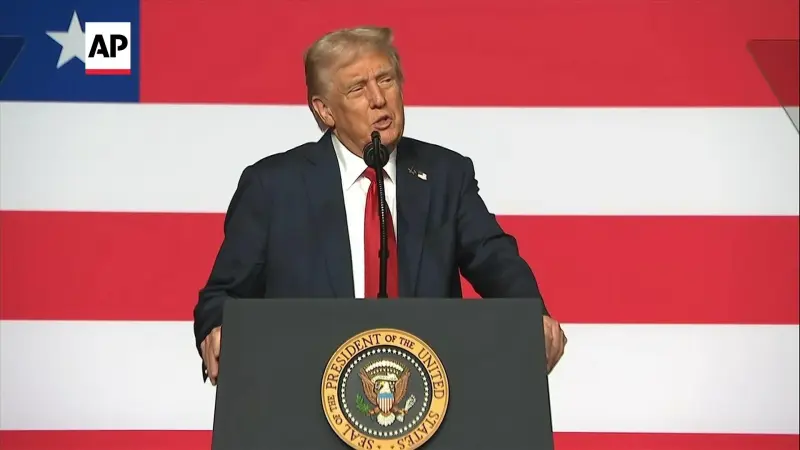
In a broader context, the debate over this Bill highlights the perennial discussion about the boundaries of market freedom versus public interest. President Donald Trump and his Cabinet in the United States have expressed support for measures that strengthen national security and protect citizens from dubious financial practices.
Similar debates regarding digital asset regulation and prediction markets are also occurring in other parts of the world. For instance, the issue of unifying digital token markets in Europe has been highlighted in Europe Risks Losing Golden Opportunity to Unify Digital Token Markets, indicating a global trend in seeking appropriate regulatory frameworks.
Specifically, companies like Coinbase had previously announced plans to launch independent prediction contracts in the future, as seen in the news Coinbase Shakes Market: Ready to Launch Independent Prediction Contracts in 2027!. This US Senate policy will certainly be a crucial consideration for the development of such financial products.
With the passage of the DEATH BETS Act, the United States takes a firm stance in regulating the prediction market landscape. The implications of this policy are expected to be felt across the industry, fostering further discussion about the ethical and regulatory boundaries in an increasingly complex and globally connected financial ecosystem.
Editorial Insight: The US Senate's decision to ban 'death bets' in prediction markets is a crucial step that balances market freedom with ethical values and national security. While financial innovation should be encouraged, the risks of manipulation and exploitation of human tragedies must be prevented. This policy has the potential to set a precedent for other countries in regulating similar financial instruments, encouraging stricter regulation of sensitive prediction markets, and ultimately strengthening public trust in the integrity of the financial system in 2026 and beyond.