 Debby Wijaya
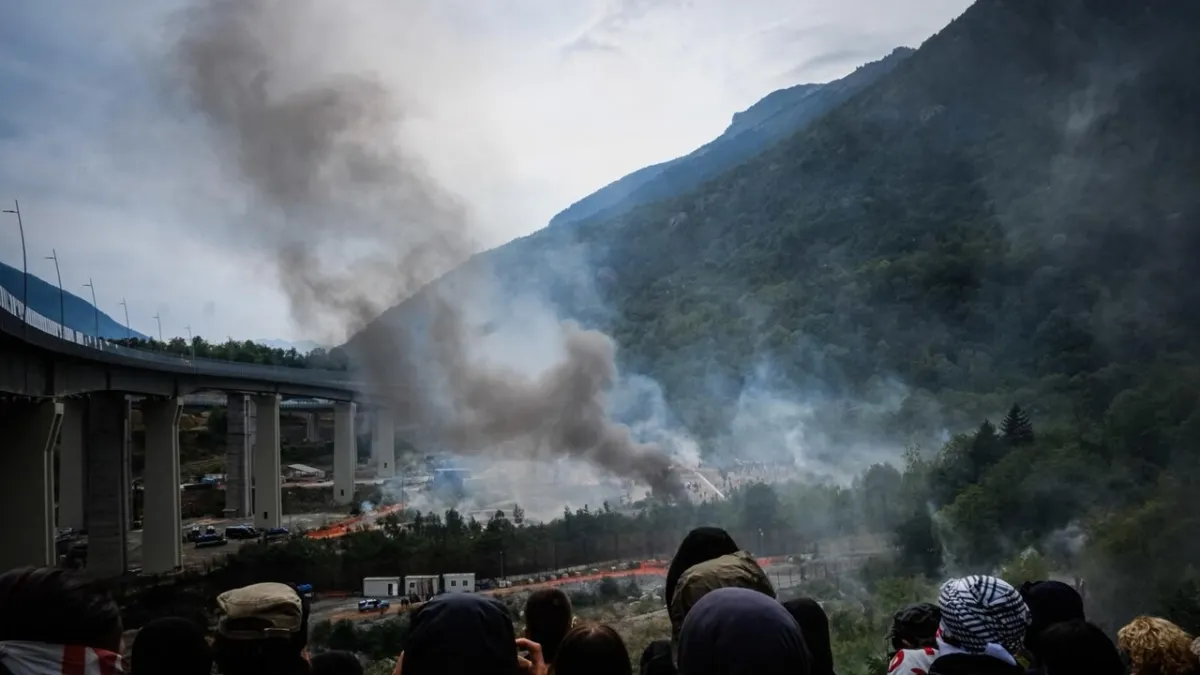
VAL DI SUSA — Italian Prime Minister Giorgia Meloni, accompanied by Interior Minister Matteo Piantedosi, today personally inspected the high-speed rail (TAV) project site in Val di Susa, which recently suffered attacks from the No Tav movement. This crucial visit follows the arrest of four foreign antagonists allegedly involved in the violence, underscoring the government's commitment to maintaining stability and the security of national infrastructure.
The arrival of the two high-ranking state officials signals Rome's serious response to the escalating conflict in the Piedmont region. They engaged with security personnel and workers at the construction site, directly listening to their concerns and ensuring that security measures have been tightened following the incident.
Incidents of attacks on construction sites in Val di Susa are not unprecedented. Acts of vandalism and violence by groups opposing the TAV project have frequently caused damage to the state. The government is now determined not to tolerate any form of extremism that hinders vital development for Italy's and Europe's connectivity.
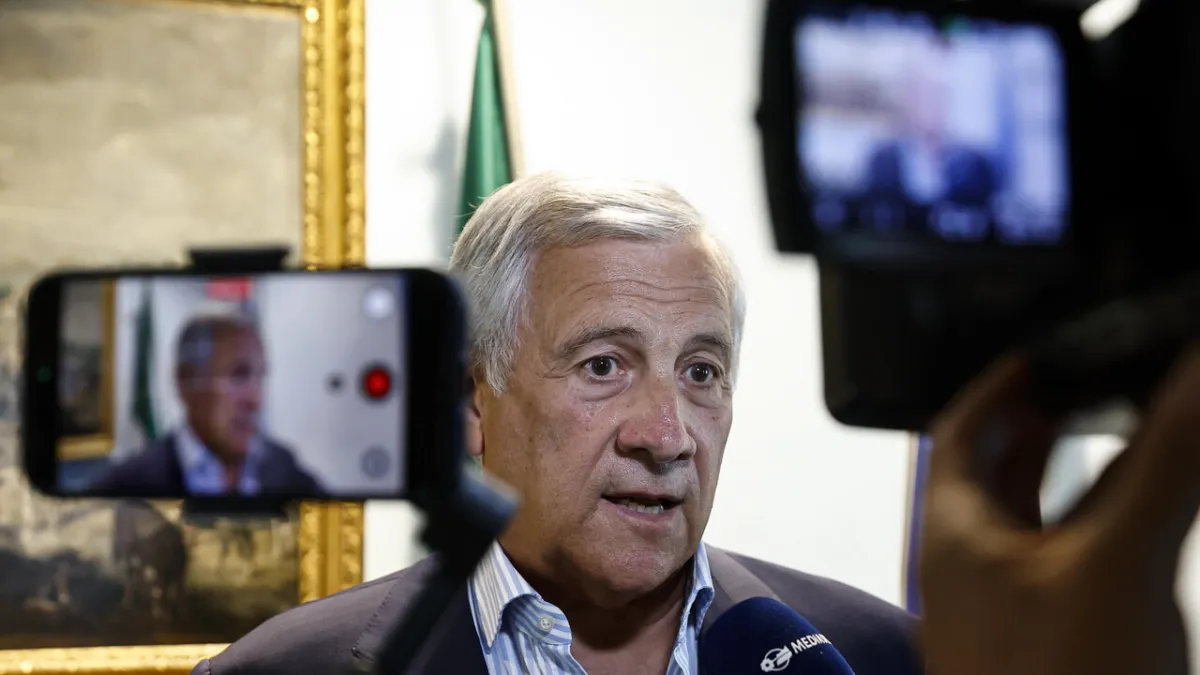
Matteo Piantedosi, the Interior Minister, expressed his outrage at the groups he termed “No Tav guerrillas.” He affirmed that acts of state property destruction, one of which caused losses amounting to one million Euros, will not be left without legal consequences.
Meloni, in her statement, emphasized that the TAV project is not merely a railway line but a symbol of Italy's progress and future within the European transportation network. “Italy will not yield to the intimidation of a handful of groups who use violence to thwart the national development vision,” the Prime Minister asserted.
The arrest of four foreign individuals, believed to be part of the No Tav antagonist network, marks a significant breakthrough in the investigation. Initial information suggests their involvement in various anarchic actions at construction sites, adding complexity to the legal dimension of the case.
Authorities are scrutinizing the positions of the four suspects. Intensive investigations are ongoing to identify potential involvement of other parties and uncover the motives behind the series of attacks. Previous reports have also revealed the unraveling of the No Tav antagonist network, indicating an organizational structure behind the movement.
The No Tav movement, an acronym for “No Treno Alta Velocita” or “No to High-Speed Rail,” has been a focal point for decades. They claim the project damages the environment, wastes public funds, and offers no significant benefits to local communities.
However, the government and most economic experts argue the opposite. This Turin-Lyon TAV project is an integral part of the Trans-European Transport Network (TEN-T) Mediterranean Corridor, designed to enhance cross-border connectivity, reduce carbon emissions from road transport, and stimulate regional economic growth.
The presence of Meloni and Piantedosi in Val di Susa is not only a symbol of moral support for the workers but also a strong message that the state will not compromise on legal violations. It also reaffirms that strategic national projects will continue as planned, despite all challenges.
Minister Piantedosi added that security forces would work tirelessly to ensure the perpetrators are held accountable under the law. “We will take firm action against any attempts to disrupt public order and damage state assets,” he stated.
The Italian government faces pressure to balance citizens' right to protest with law enforcement and the protection of infrastructure projects. This visit demonstrates a two-pronged strategy: listening to aspirations while simultaneously reinforcing the rule of law.
Political analysts view this unexpected visit as an effective step to defuse tensions and demonstrate decisive leadership. It also sends a signal to the international community regarding Italy's commitment to its vital infrastructure development.
Ultimately, the future of the TAV project in Val di Susa will heavily depend on the government's capacity to manage conflict, alleviate public discontent through dialogue, and firmly address elements that choose the path of violence.