 Debby Wijaya
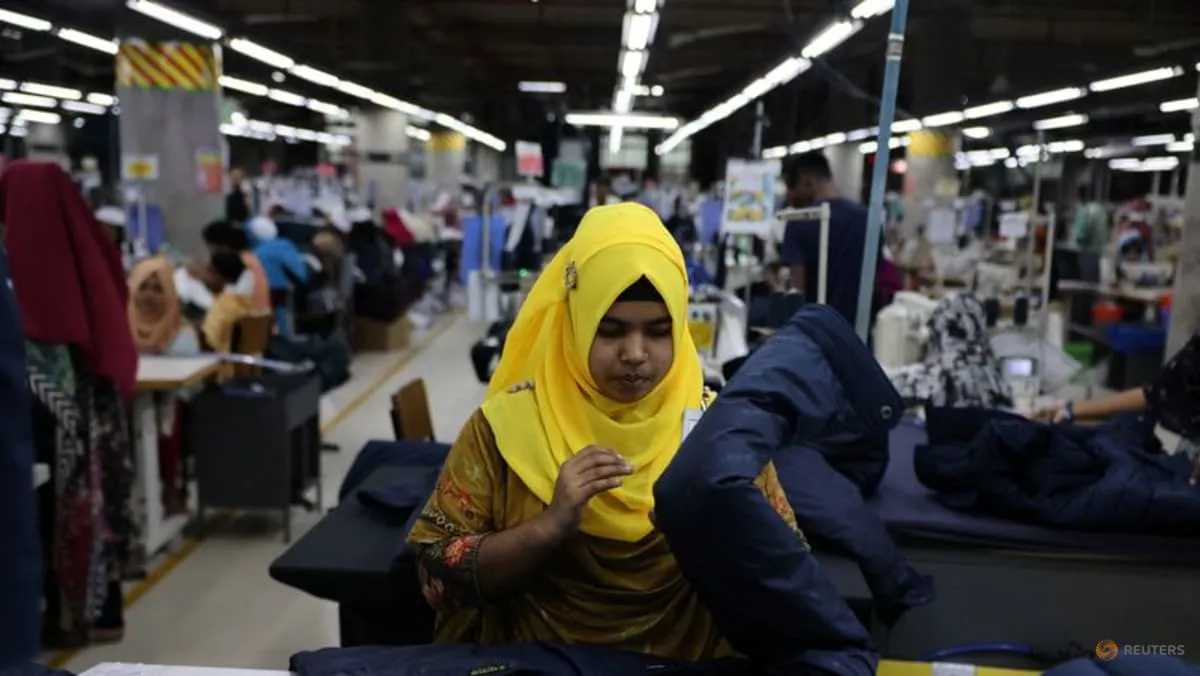
DHAKA – The Bangladeshi government has officially formed a national wage board following a series of massive and violent garment worker protests across various industrial hubs since early 2026. This decision comes after numerous demonstrations demanding a fair minimum wage, which often escalated into clashes with security forces and looting, threatening the nation's vital economic stability. The formation of this board is expected to serve as a strategic mediator in finding an equitable solution for tens of thousands of garment workers.
The protests, which peaked in recent weeks, saw thousands of workers abandon their factories, block highways, and engage in confrontations. They demanded a significant increase to the current minimum wage, deemed insufficient to meet living costs amidst rising inflation and living expenses. Incidents of violence were reported in industrial cities such as Gazipur and Ashulia, leading to material losses and the arrest of several demonstrators, similar to social unrest situations seen in Europe, such as the Hamburg incident in 2026.
The Bangladeshi government, under public pressure and international calls, moved swiftly to respond to this crisis. High-ranking government officials emphasized their commitment to protecting workers' rights while maintaining an attractive investment climate. They acknowledged the legitimacy of most workers' demands, despite condemning the violent acts that accompanied some demonstrations.
This wage board was established after extensive and marathon discussions among workers' representatives, trade union leaders, and industry employer associations. This dialogue process aims to find a fair common ground, considering both the industry's financial capacity and the real needs of the workers. Bangladesh's Minister of Labor and Employment, during a press conference, stated that the board has a full mandate to review and recommend a new wage structure.
The garment sector plays a crucial role in Bangladesh's economy, accounting for over 80 percent of the country's export earnings and employing approximately four million people, predominantly women. This industry is the backbone of the economy and a primary source of foreign exchange, making it highly sensitive to social unrest or policy uncertainties.
The wage board's task is not easy. They must balance the urgent demands of workers for higher wages with the business sustainability of manufacturers. Employers argue that an overly drastic wage increase could threaten Bangladesh's competitiveness in the global market and potentially lead to factory relocation to other countries with lower production costs.
Worker representatives affirmed that current wages are far below the living wage standard, causing acute economic hardship for workers' families. They hope the board will not only provide a nominal increase but a substantial one that reflects inflation and rising prices of basic necessities.
Meanwhile, industry leaders emphasized the importance of productivity and efficiency. They expressed willingness to negotiate, but hope the board's decision will consider macroeconomic conditions and intense competition in global export markets. Any wage increase must be sustainable and not burden the industry to the point of collapse.
This situation in Bangladesh also highlights the dilemma faced by many developing countries with labor-intensive industries. The conflict between corporate profits and fundamental workers' rights is a constantly emerging global issue, testing governments' commitment to social justice and sustainable development.
The formation of this wage board is a crucial first step. Its success will heavily depend on its ability to reach a fair and mutually acceptable consensus. Without an effective resolution, the potential for renewed unrest and instability could shake the garment sector once more, impacting global supply chains and Bangladesh's reputation as a key player in the textile industry.
Editorial Insight: The establishment of a wage board amidst a wave of violent protests in Bangladesh is a crucial reactive step. The success of this board will not only determine the fate of millions of garment workers but also the future of Bangladesh's textile industry as a whole. A wage decision that is too low will trigger ongoing dissatisfaction, while one that is too high could harm competitiveness. This is a true test of the government's ability to navigate conflicting interests, and it will set an important precedent for global labor standards amid the economic pressures of 2026. Bangladesh's social and economic stability heavily relies on a wise resolution to this crisis.