 Chandra Wijayanto
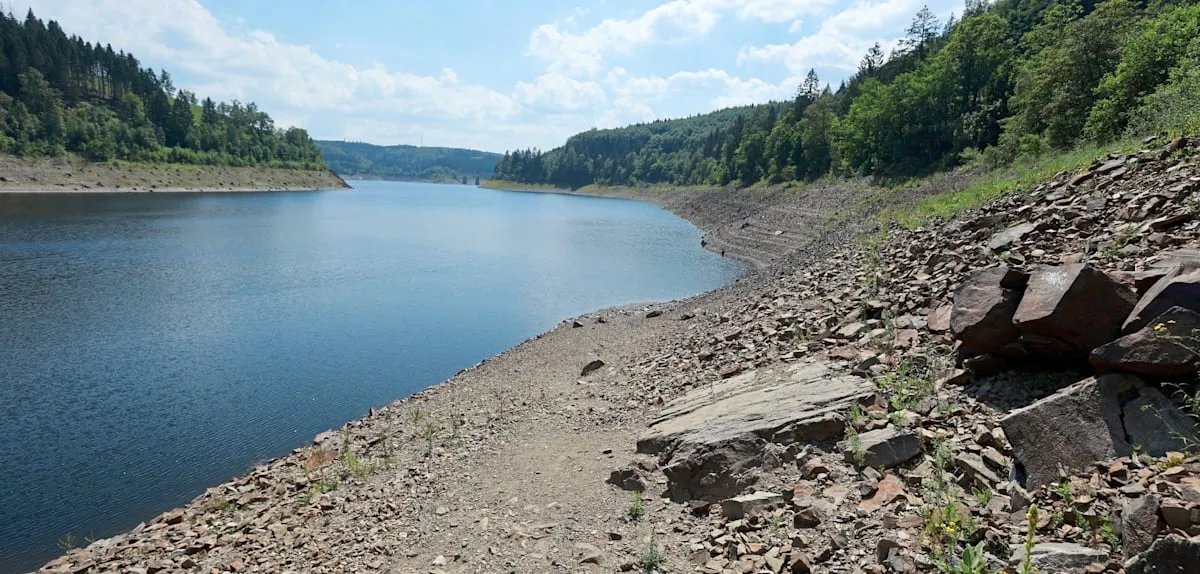
Harz – Authorities in the Harz District, Germany, have imposed a total ban on water extraction from rivers and lakes. This emergency policy follows a drastic decline in water levels due to a prolonged drought period threatening local ecosystems. Violations of this regulation may result in significant fines.
This critical situation is triggered by minimal rainfall throughout spring and early summer 2026, causing many water bodies in the Harz region to reach their lowest levels in decades. Authorities state that these conditions necessitate swift and decisive action.
The prohibition specifically targets water usage for agricultural irrigation, private garden watering, swimming pool filling, and water use for cleaning vehicles or properties beyond essential needs. Water conservation is the top priority.
Dr. Anna Mueller, Spokesperson for the Harz District, emphasized the urgency of this policy. 'We are facing an unprecedented water crisis. Rivers and lakes are the heart of life in Harz. Without drastic measures, we risk permanent damage to the ecological balance,' she stated.
The impact of this drought extends beyond merely decreasing water levels. Many fish species and other aquatic creatures are threatened due to reduced habitat and increased water temperatures. River ecosystems such as the Bode, Selke, and Ilse are under extreme stress.
Farmers in the Harz region have expressed deep concerns about potential crop failures. Although this policy is burdensome, most understand the necessity of this step for long-term water resource sustainability.
The local authorities have increased patrols to ensure compliance with the ban. A drone surveillance system has also been deployed to monitor areas prone to illegal water abstraction, especially in smaller tributaries.
In addition to the ban, the local government also urges the public to proactively conserve water in all daily activities. Public awareness campaigns are being intensified to highlight the importance of every drop of water.
Extreme drought phenomena are not new to Germany, but their intensity and frequency have increased in recent years, believed to be a consequence of climate change. The Harz region, with its mountains and dense forests, is highly vulnerable to changing weather patterns.
Climate scientist from Potsdam University, Professor Klaus Richter, commented that 'The drought in Harz reflects a global trend. We must invest more in water management infrastructure and climate adaptation strategies.'
The German federal government is also reportedly considering long-term mitigation measures to address national water availability challenges, including efforts to modernize irrigation systems and construct new reservoirs.
This ban will remain in effect until water levels return to normal, which may require significant rainfall over several weeks or even months. The public is asked to be patient and actively participate in conservation efforts.
Public hope now rests on the autumn season, which is expected to bring heavy rains to replenish water reserves. However, experts warn that reliance on natural weather patterns is becoming increasingly unreliable.
Editorial Insight: The water crisis in Harz underscores the urgency of climate change mitigation and adaptive water resource management. This ban, although drastic, is a fundamental step to protect the sustainability of ecosystems and water supply for future generations amidst increasingly evident global climate challenges.