 Stefani Rindus
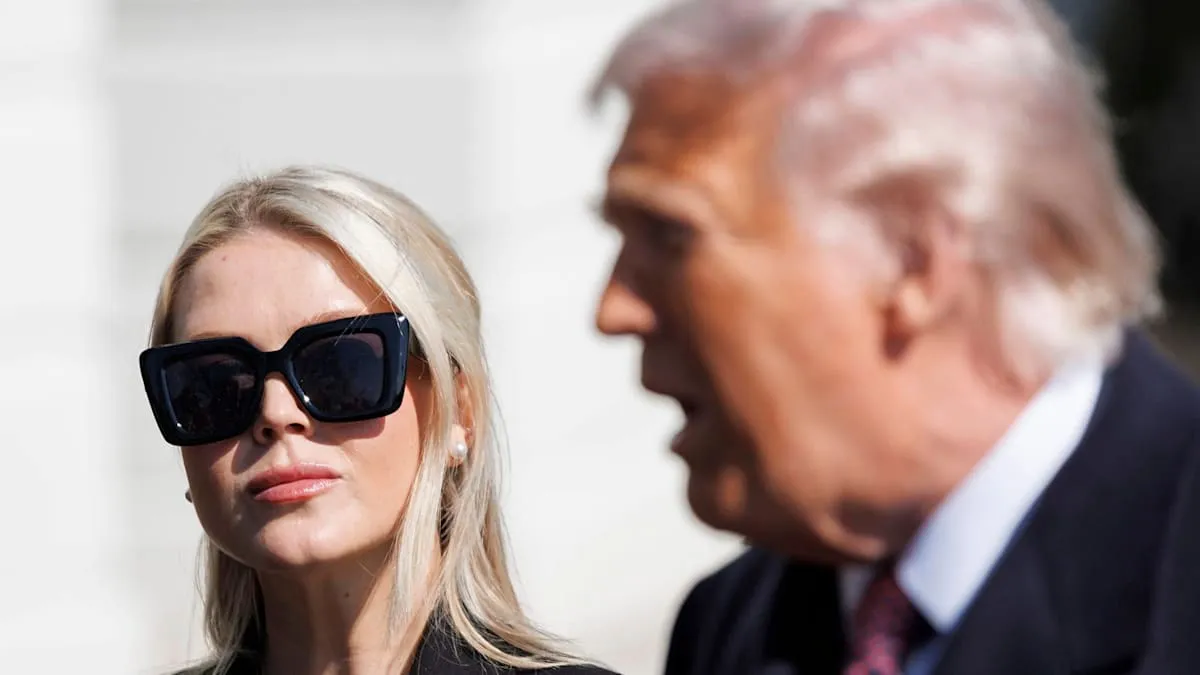
WASHINGTON – The White House is once again under public scrutiny following President Donald Trump's surprising announcement regarding the resignation of his press secretary, Karoline Leavitt. Leavitt is officially stepping down from her position at the end of this month, a piece of news that has triggered various speculations in the corridors of power and national media.
President Trump, in delivering the information, stated that Leavitt needed more time to care for her young children and focus on her family. She will have more time to take care of her small children and her family, Trump said, hinting at personal reasons behind this significant decision.
Karoline Leavitt's resignation, who has been known as one of the most vocal and persistent faces in defending the Trump administration's policies, undoubtedly leaves a significant void. The public awaits who will fill this strategic position, given the vital role of a press secretary in communicating the presidential agenda.
Leavitt, who also has a track record as a former communications director for several prominent political figures, has been an integral part of the White House communications team. Her departure comes amidst the continually turbulent political dynamics of the United States, adding another episode to the administration's intriguing narrative.
Despite the personal reasons cited, the resignation of a presidential press secretary always invites further questions within political circles. Several observers have begun to analyze the potential impact of Leavitt's departure on the White House's future communication strategy.
The role of a presidential press secretary is crucial in shaping public narrative, responding to criticism, and ensuring government messages are effectively conveyed. With the succession unclear, there are concerns about the leadership transition in the White House communications department.
The Donald Trump administration in 2026 faces various challenges, ranging from domestic issues to foreign policy. Losing a key figure like Leavitt may require swift adjustments to ensure the wheels of government continue to run optimally without significant communication impediments.
In the coming days, the team searching for Leavitt's successor must work diligently. The criteria for potential replacements are certainly not light, considering they must possess robust capabilities in handling media pressure and high-level political intrigue.
Speculation about potential successors has already begun to surface in Washington. Several veteran names from Republican Party circles or even young talents loyal to President Trump are likely to be considered for this prestigious role.
This announcement has also sparked a wave of comments from various parties. Opposition politicians and Leavitt's colleagues have expressed diverse responses, from appreciation for her service to speculation about hidden motives.
Regardless of the primary reason, Karoline Leavitt's decision highlights the extraordinary demands inherent in high-level government positions, where the balance between career and personal life often becomes a significant challenge.
Family indeed takes priority, and President Trump's statement implicitly indicates support for Leavitt's personal decision to give more focus to the domestic sphere.
Currently, public and media attention will be focused on the selection process for the new press secretary. The names that emerge, interviews, and the official announcement will be an interesting spectacle for political observers.
This transition is expected not to disrupt the stability of White House communications, especially given the importance of messages emanating from the president's office in influencing market sentiment and international perception.
The Trump administration must ensure that Leavitt's replacement can quickly adapt and continue the work with the same, or even greater, integrity and effectiveness.
Editorial Insight:
Karoline Leavitt's resignation in 2026, even for personal reasons, can be seen as a crucial moment for the Donald Trump administration. The departure of a significant figure often signals an initial shift in internal dynamics or even preparations for the next political phase. Selecting a suitable successor who can match President Trump's communication style will be a critical test, determining the direction of the White House's narrative moving forward, especially leading up to potentially intensifying political contests. This also underscores the ongoing pressure on public officials within the White House environment.