 Demian Sahputra
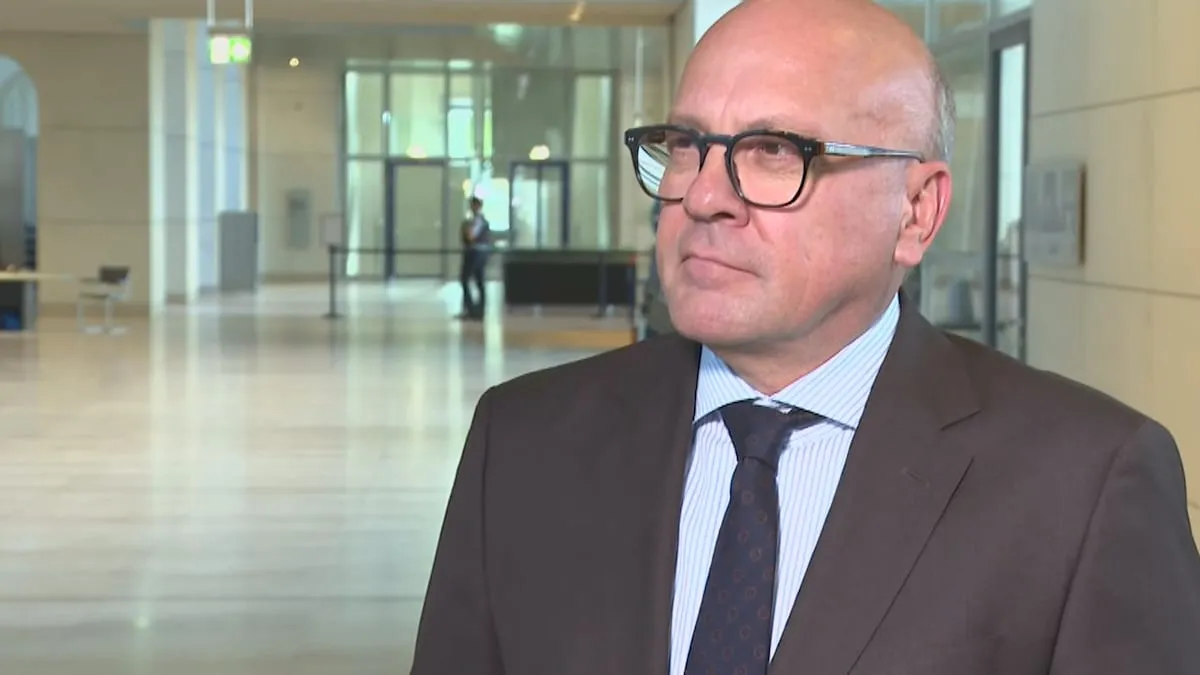
TUTTLINGEN – A brutal incident of violence involving a group of youths in Tuttlingen, Germany, has once again drawn public and government attention to the handling of migrants subject to deportation. This event prompted Union party interior politician Throm to propose concrete measures to ensure forced repatriations can still be carried out, even if countries of origin refuse to accept their citizens back. Throm's strong statement reflects the increasing urgency of the issue, asserting that people who commit such acts of violence have no place in Germany.
The series of violent incidents involving a number of youths has created deep unease within society. Public safety and order have become a primary focus, prompting calls for authorities to take firm and preventive action. Police reports indicate that the perpetrators of the violence were mostly young people, some of whom were individuals who should have already been deported.
This situation cannot be separated from the complexities of German immigration policy. In recent years, Germany has faced a significant wave of migrants, and although most have successfully integrated, cases of criminality involving migrants often spark fierce debate. The issue of deportation becomes crucial, especially for individuals who have committed criminal offenses or are proven to endanger national security, but whose repatriation process is hampered by refusal from their countries of origin.
Throm, in his statement, emphasized the need for new legal mechanisms that would allow Germany to carry out repatriations unilaterally if countries of origin are uncooperative. He underlined the importance of safeguarding Germany's rule of law and internal security from all forms of threat, including those from individuals not entitled to reside in the territory.
We cannot allow countries of origin to hinder our law enforcement efforts. There must be a way, and we will find it, for those who have committed acts of violence and have no right to stay to be immediately repatriated, Throm stated, as quoted by a national media outlet.
This proposal is expected to trigger heated discussions in the German parliament. Critics may argue that unilateral steps could violate international conventions or provoke diplomatic tensions. However, supporters contend that this is a necessary measure to protect citizens and ensure social order.
The German government under Chancellor Olaf Scholz faces increasing political pressure. The debate on migration and security has become a central issue, especially with general elections approaching. The conservative opposition continues to urge the government to take a firmer stance on immigration and deportation matters.
Similar contexts are also seen in other European countries, such as France, which frequently struggles with issues of managing migrant camps and deportations at the border. This indicates that this problem is not just a local German phenomenon, but a multidimensional challenge faced by the entire continent.
The implementation of stricter policies could have a significant impact on Germany's diplomatic relations with migrants' countries of origin. Intensive negotiations and clever diplomacy will be crucial to achieve sustainable solutions without sacrificing human rights principles.
The success of addressing this issue will largely depend on the government's ability to balance domestic security needs with international commitments. The German public awaits firm yet fair solutions that can restore a sense of safety and stability.
Editorial Insight:
The youth violence case in Tuttlingen starkly highlights the latent tensions within European migration policy. Politician Throm's proposal, while provocative, reflects widespread frustration regarding bureaucratic and diplomatic obstacles in deportation processes. Unilateral measures might seem like quick fixes, but the risks of escalating diplomatic conflicts and potential human rights violations must be carefully considered. The German government needs to find a holistic strategy involving proactive diplomacy with countries of origin, while still ensuring fairness and adherence to international law. Without a balanced approach, this issue will continue to be a political and social ticking time bomb.