 Dodi Irawan

Washington D.C. — Ukrainian President Volodymyr Zelenskyy is scheduled to meet Donald Trump at the White House on Tuesday, in a rendezvous projected to mark a significant shift in power dynamics. Unlike previous discussions, this time the Ukrainian leader arrives with a far more robust negotiating stance, determined to leverage several crucial parameters that have shifted in his nation's favor. This strategic meeting unfolds amidst the perpetually volatile geopolitical landscape of 2026.
Fundamental changes in the global political constellation and Ukraine's domestic achievements form the core pillars of Zelenskyy's strength. Consistent international support, unexpected military resilience, and the consolidation of internal stability have enabled Kyiv to engage with Washington from a more equitable footing. Analysts observe that Ukraine's success in resisting external aggression has transformed global perceptions of the nation's capacity and tenacity.
Previously, meetings between Ukrainian and U.S. officials were often dominated by urgent requests for aid and defensive necessities. However, diplomatic sources indicate that the agenda for this meeting focuses more on long-term strategic partnerships, post-conflict security guarantees, and substantial economic reconstruction support. This reflects Ukraine's growing self-assurance.
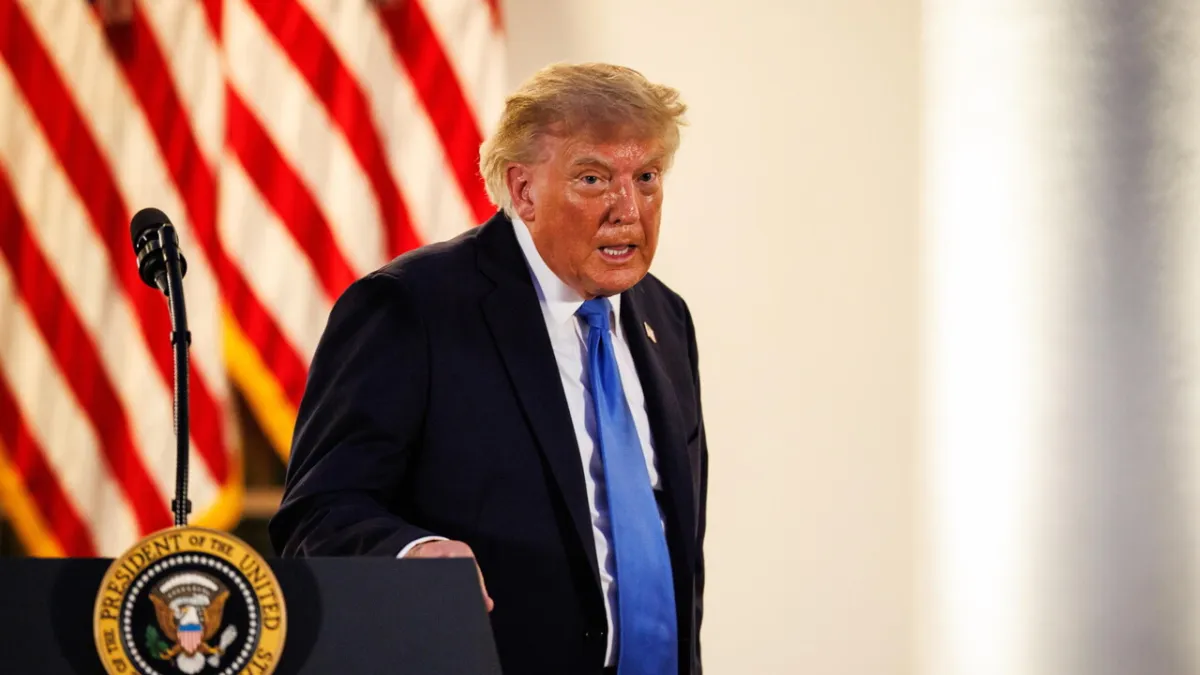
Donald Trump, as one of the most influential figures in American politics, is expected to weigh the implications of this meeting for his domestic and international standing. With a potential upcoming U.S. presidential election, his support or stance on the Ukrainian issue carries significant electoral weight. This meeting is not merely about Kyiv but also about projecting American power on the world stage.
Ukraine's current strength rests on several key factors. First, their success in defending territory and adapting military strategies has proven formidable defensive capabilities. Second, national unity under external pressure has strengthened Zelenskyy's domestic political foundation. Third, the flow of economic and military aid from Western allies, though at times fluctuating, has allowed Ukraine to maintain momentum.
Furthermore, internal challenges faced by Russia—ranging from prolonged economic sanctions to domestic resistance and international isolation—have indirectly bolstered Ukraine's negotiating position. Vulnerabilities emerging on the opposing side provide Zelenskyy with greater room for maneuver in articulating his arguments at the White House.
This White House meeting is anticipated to yield more concrete commitments regarding Ukraine's future, particularly in the context of European and NATO integration. Zelenskyy will likely push for an acceleration of these processes, arguing that Ukraine, having proven its resilience, deserves stronger collective security guarantees.
Foreign policy observers from prominent Washington think tanks believe that Zelenskyy's visit this time is a masterclass in diplomacy. "President Zelenskyy has successfully transformed the narrative from a nation needing rescue to a formidable strategic partner," stated Dr. Evelyn Reed, an international relations expert at the Council on Foreign Relations, in an exclusive interview.
Despite shifting power dynamics, challenges persist. Ukraine remains highly dependent on external support, and negotiations with global powers such as the United States always involve complex compromises. However, by seizing this momentum, Kyiv hopes to secure the necessary backing for its post-conflict recovery and rebuilding phase.
Zelenskyy's visit to the White House in 2026 is more than a routine bilateral meeting. It is a tangible manifestation of Ukraine's resilience, proof of its adaptability amidst crisis, and a strategic endeavor to shape its nation's future from a newfound position of strength. The world awaits the outcome of these crucial negotiations, which could determine the trajectory of global conflict and the security architecture in Eastern Europe.