 Dorry Archiles
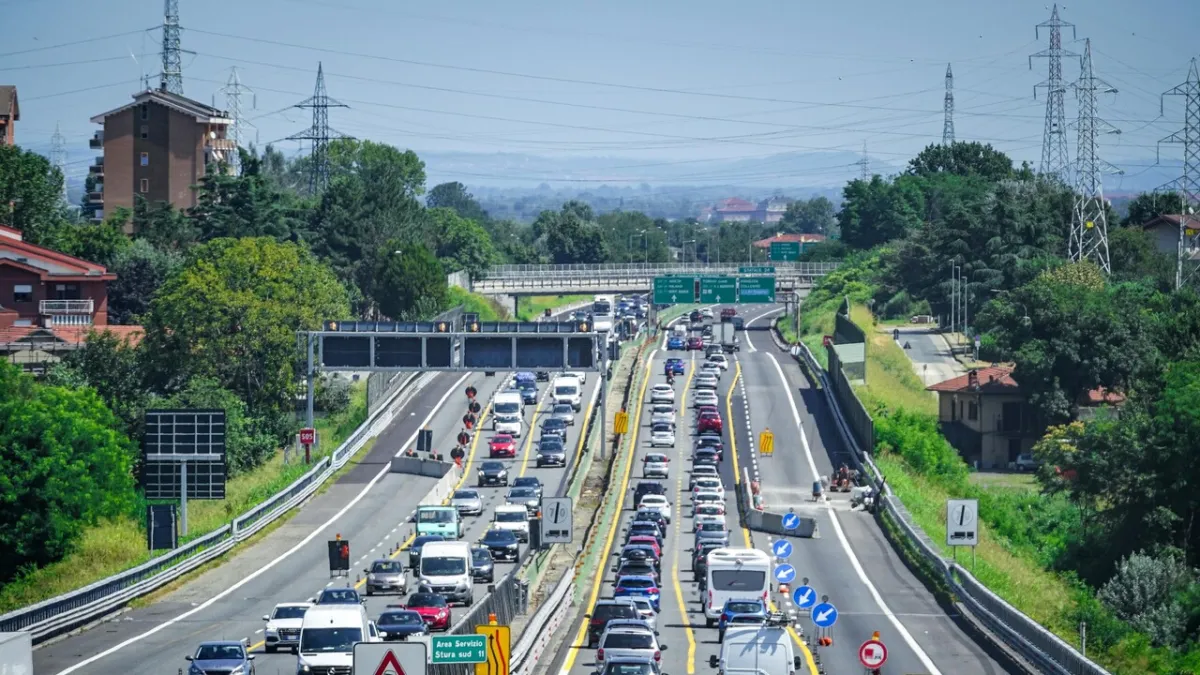
ROME — Millions of Italians are facing severe traffic congestion this weekend, as an estimated 26 million people travel simultaneously across the country. This surge in traffic volume has prompted the Italian government to take drastic measures, suspending 83% of national road construction projects until September, while also strengthening surveillance at crucial points.
This phenomenon is known as “bollino nero” or black dot status, referring to the worst traffic conditions caused by a mass exodus of travelers. Such situations typically occur during the peak of the summer holiday season, especially on weekends in July or August, when citizens flock to coastal or mountainous tourist destinations.
Italian transport authorities predict that around 26 million people are undertaking this massive movement, creating immense pressure on both primary and secondary road networks. This figure includes domestic tourists returning home or heading to holiday areas, as well as a small number of international tourists renting vehicles.
As a mitigating response, the Italian Ministry of Infrastructure and Transport announced the suspension of most road construction works. This decision is effective until early September 2026, covering motorways and main routes across all regions with active projects.
“We are suspending 83% of all active construction projects on our road network,” stated a spokesperson for the Italian road authority in an official declaration. “This step is crucial to ensure smooth traffic flow and minimize the risk of accidents caused by roadwork bottlenecks.”
The suspension of these projects aims to free up vital lanes, reduce potential congestion, and shorten travel times for millions of travelers. The primary priority is public safety and comfort amidst unprecedented traffic density.
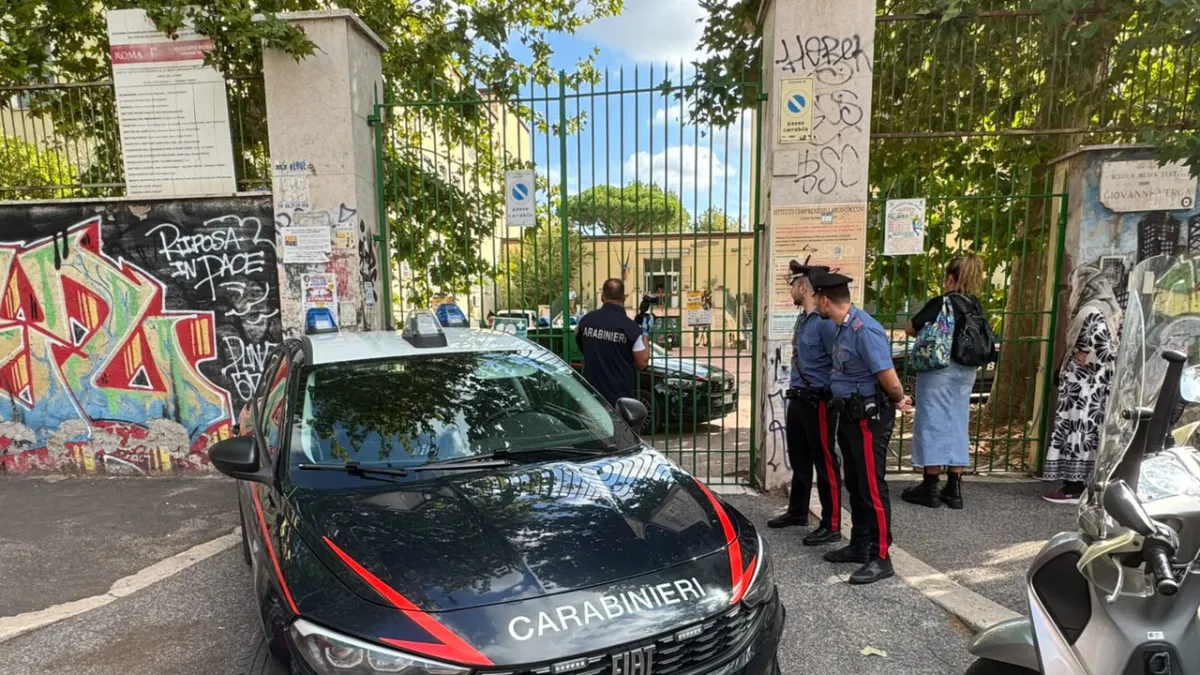
Furthermore, reinforced garrisons or increased presence of security and law enforcement personnel have also been deployed at various strategic points. Traffic Police (Polizia Stradale) and Carabinieri are increasing patrols and checkpoints at toll booths, rest areas, and sections of road prone to congestion.
These reinforcement measures include deploying more officers for manual traffic control, rapid response to incidents, and providing real-time information to road users via electronic boards and social media.
Major motorways such as the A1 (Milan-Naples), A14 (Bologna-Taranto), and A4 (Turin-Trieste) are among the routes most affected by the surge in vehicle volume. Congestion began to be felt from Friday evening and is expected to peak on Saturday afternoon, continuing through Sunday evening.
The government urges the public to plan their journeys carefully, monitor real-time traffic information, and consider public transport alternatives if possible. Vigilance on the roads is key to avoiding unwanted incidents.
Italy’s tourism sector, a cornerstone of the national economy, significantly contributes to this phenomenon. This increase in travel activity also reflects a strong post-pandemic recovery, with more citizens opting for domestic holidays.
Despite posing logistical challenges, this massive movement is also an indicator of economic vitality and the Italian spirit for enjoying holidays. Authorities remain fully committed to managing traffic flow for the safety and convenience of all parties.