 Stefani Rindus
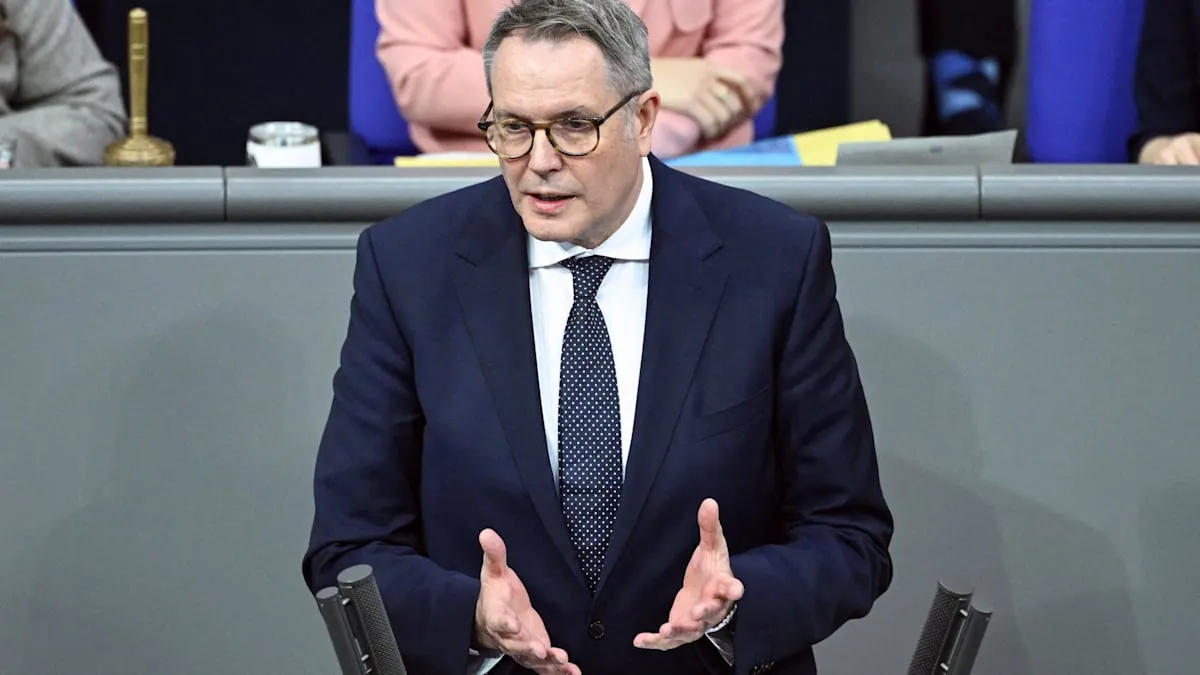
BERLIN – German Labor Minister Alexander Schweitzer of the Social Democratic Party (SPD) has emphatically urged coalition partners to swiftly reach an agreement on stable pension provisions. The call, made in the Bundestag in 2026, highlights the governments absolute duty to secure citizens old age, despite existing differences among the ruling parties.
Schweitzer emphasized that the stability of the pension system is not merely a technical issue, but the foundation of public trust in the state's ability to safeguard its peoples welfare. He called for all parties to set aside differences and focus on the common goal of long-term prosperity.
Discussions regarding pension reform have been a heated topic in German politics. Global economic uncertainties and demographic changes continue to burden the existing system, demanding concrete and sustainable solutions from the coalition government.
In his speech, Schweitzer stated, We have a moral and political obligation to ensure that every German citizen can face retirement with dignity and financial security. Delay is no longer an option. This statement was clearly directed at his coalition partners, who often hold differing views on funding models and pension amounts.
Despite fundamental differences, particularly between the SPD and the fiscally conservative Free Democratic Party (FDP), Schweitzer sees a common basis that can serve as a starting point for agreement. This basis, he believes, is a commitment to fair and robust old-age security.
This situation becomes even more critical given the declining popularity of several political figures in Germany, as seen in the plummeting ratings of Chancellor Merz. Failure to address fundamental issues like pensions could further erode public trust and strengthen the opposition. Chancellor Merzs Popularity Plummets, AfD Surges in Germany 2026! illustrates how sensitive this issue is to political stability.
The coalition government, comprising the SPD, FDP, and the Greens, is now under immense pressure to demonstrate unity and effectiveness. Pension security often serves as a key barometer for voters when evaluating government performance.
This issue of old-age security is not just about numbers and budgets, but also about intergenerational justice and social solidarity. The younger generation worries about the burden they will bear, while retirees hope for the security they have been promised.
Schweitzer stressed the need for a reliable legal framework to ensure that pension provisions can endure in the long term, through various economic and social upheavals. His vision is for an adaptive, strong, and sustainable pension system.
This urgent appeal is expected to catalyze intensive negotiations among the coalition parties. The future of millions of German retirees and workers depends on the ability of political leaders to find constructive and timely compromise solutions.
Editorial Insight: Minister Schweitzers pressure indicates the growing urgency of the pension issue on Germany's 2026 political agenda. If the coalition fails to reach a consensus, not only is the government's internal stability at risk, but it could also trigger a significant wave of public discontent, potentially altering the German political landscape in future elections. Success on this issue will be a crucial test of credibility for the current administration.