 Demian Sahputra
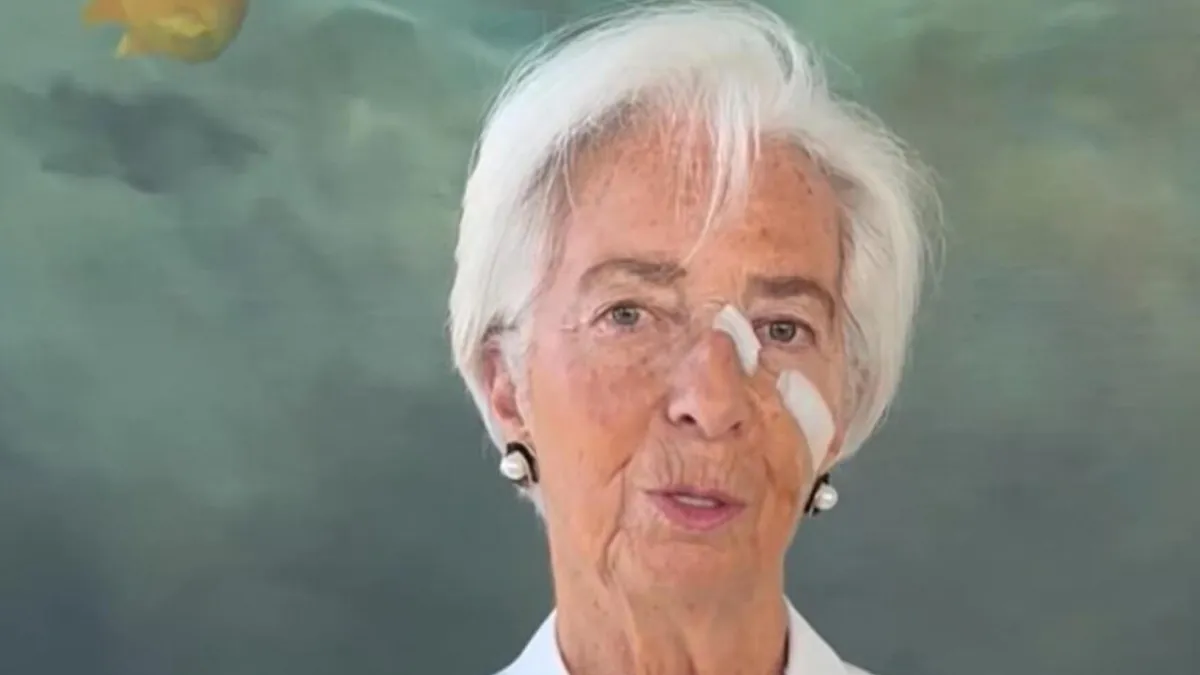
Frankfurt – Christine Lagarde has officially announced her resignation as President of the European Central Bank (ECB), effective February 7, 2026. This surprising decision immediately triggered a wave of speculation regarding Lagarde's next career move, particularly amidst the increasingly heated French political landscape ahead of the presidential elections.
In a released statement, Lagarde affirmed, I leave an institution exceptionally well-prepared for the future. This statement underscores her confidence in the ECB's stability and readiness to face evolving global economic challenges. The ECB Governing Council acknowledged the announcement with a respectful standing ovation, signaling recognition of her leadership.
Since taking office in 2019, Lagarde has steered the ECB through a series of complex economic crises, including the global pandemic and unprecedented inflationary pressures. Her pragmatic and communicative policies have often been lauded for maintaining eurozone stability amid turbulent times.
Bloomberg sources reported that Lagarde's resignation is closely linked to speculation about her political ambitions in France. Although Lagarde has not yet publicly commented on this, various political analyses associate her with a potential candidacy in the upcoming French presidential elections.
As a figure with an impressive international track record, both as Managing Director of the International Monetary Fund (IMF) and French Finance Minister, Lagarde's return to the domestic French political arena could significantly alter the dynamics of the competition.
Lagarde's departure from the ECB will undoubtedly leave a leadership vacuum in one of Europe's most crucial financial institutions. The process of searching for and appointing her successor is expected to be a key focus for global markets and economic observers in the coming months.
The successor to Lagarde must be an individual with extensive monetary experience and the ability to safeguard the ECB's independence from political pressure. The challenges awaiting Lagarde's successor are not light, given the global economic conditions still fraught with uncertainty.
The European economy is currently at a crossroads, facing issues such as fiscal fragmentation, green energy transition, and geopolitical competition. Strong and visionary leadership is critically needed to navigate these complexities.
Lagarde's resignation, although officially announced, implies deeper strategic considerations. Whether this marks the end of a chapter or the beginning of a larger new phase in her political career, only time will tell. However, the impact of her decision on the European economic and political landscape is sure to be felt long after February 7, 2026.
Editorial Insight: Christine Lagarde's resignation from the European Central Bank is not merely a routine change of office. It is a strategic maneuver with the potential to shake up the French political stage and the European economy. With her track record, Lagarde possesses the legitimacy and capacity to play a key role at the national level. Markets will now scrutinize not only who her successor at the ECB will be but also the implications of Lagarde's potential return to the political arena, which could influence the direction of French policy and, indirectly, the stability of the European Union.