 Angel Doris
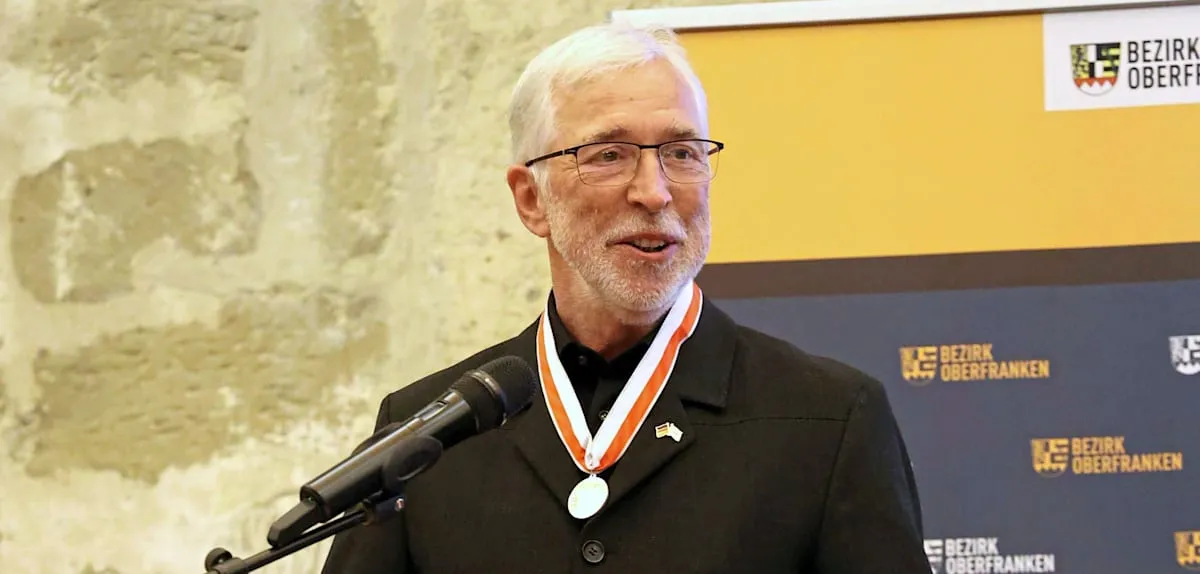
OBERFRANKEN — A politician from the Alternative for Germany (AfD) party has returned an honorary medal amidst a wave of public criticism questioning the standards for award recipients. This incident, which occurred in the Oberfranken region in early 2026, has prompted the local district government to immediately formulate new guidelines to ensure the credibility of the awarding process in the future.
The medal came under intense scrutiny after various parties, including activist groups such as the Allianz gegen Rechtsextremismus (Alliance against Right-Wing Extremism) in the Nuremberg Metropolitan Region, voiced objections. They questioned the suitability of an individual affiliated with a far-right party to receive public recognition.
The AfD politician's return of the medal was a direct response to massive public pressure. This step, although belated, demonstrates the significant impact of ethical debates surrounding awards given to controversial political figures.
A spokesperson for the Oberfranken district government stated that this incident serves as a valuable lesson. "We acknowledge a gap in our existing evaluation procedures," they said, signaling the urgent need for improvements in the award system.
The AfD party, which has increasingly solidified its position in the German political landscape in recent years, is often the subject of fierce debate. Their rising popularity in several regions, including Sachsen-Anhalt and Brandenburg as documented in previous news, is often followed by controversies related to the views and actions of its members.
The issue of right-wing extremism is a serious concern in Germany. Groups like the Allianz gegen Rechtsextremismus actively monitor and criticize any attempts to normalize or confer honors upon individuals or organizations deemed to have extremist agendas.
The draft of new guidelines to be developed by Bezirk Oberfranken is expected to include stricter criteria. This will involve more in-depth background checks and consultations with various stakeholders to prevent similar incidents in the future.
This medal incident has the potential for long-term implications on how local governments in Germany manage public awards. It is possible that this precedent will encourage other districts to review their policies to maintain the integrity of such honors.
A representative from the Allianz gegen Rechtsextremismus welcomed the plan for improved guidelines. "It is important for public institutions not to inadvertently legitimize ideologies that undermine our democratic order," said a spokesperson, emphasizing the principle of accountability.
Public response in Germany has been mixed, ranging from strong support for the medal's withdrawal to debates about freedom of expression and the criteria for granting political awards. This reflects the complexity of public views on sensitive issues.
The implementation of the new guidelines will not be without challenges. The definitions of 'controversial' or 'extremist' can be subject to broad interpretation, requiring careful formulation to avoid unfair bias or prejudice.
This case in Oberfranken underscores the political and social sensitivity in Germany in 2026. It is not merely about a piece of metal, but about the values upheld by a democratic society in the face of rising populist and extremist ideologies.