 Gabriella
JAKARTA – The global transportation sector is undergoing a fundamental revolution. A comprehensive study released by TechCrunch Mobility in 2026 reveals surprising results from A/B testing, directly comparing the performance of autonomous robots with human operators. These findings confirm the superiority of artificial intelligence (AI) across various metrics of efficiency and accuracy, redefining the landscape of future mobility.
The trials involved a series of complex operational scenarios, ranging from warehouse logistics to short-distance deliveries in urban environments. Robots powered by advanced AI algorithms demonstrated faster and more consistent adaptation and decision-making capabilities compared to their human counterparts, especially in repetitive operational conditions requiring high precision.
TechCrunch Mobility, a leading platform focused on the future of transportation, highlights that AI's role is not limited to mere automation. Artificial intelligence serves as the backbone for predictive navigation systems, real-time route optimization, and anomaly detection capabilities that far exceed human cognitive capacity on a large scale.
Researchers measured various key performance indicators, including task cycle times, error rates, energy consumption, and responses to unexpected obstacles. In almost every category, robotic systems recorded superior numbers, confirming that significant investments in autonomous technology are beginning to yield substantial results.
Dr. Elara Vance, Head of Research at TechCrunch Mobility, stated, 'It is no longer about whether robots can do human jobs, but rather how far they can optimize performance and establish new operational standards. These 2026 A/B test results are tangible proof of that evolution.'
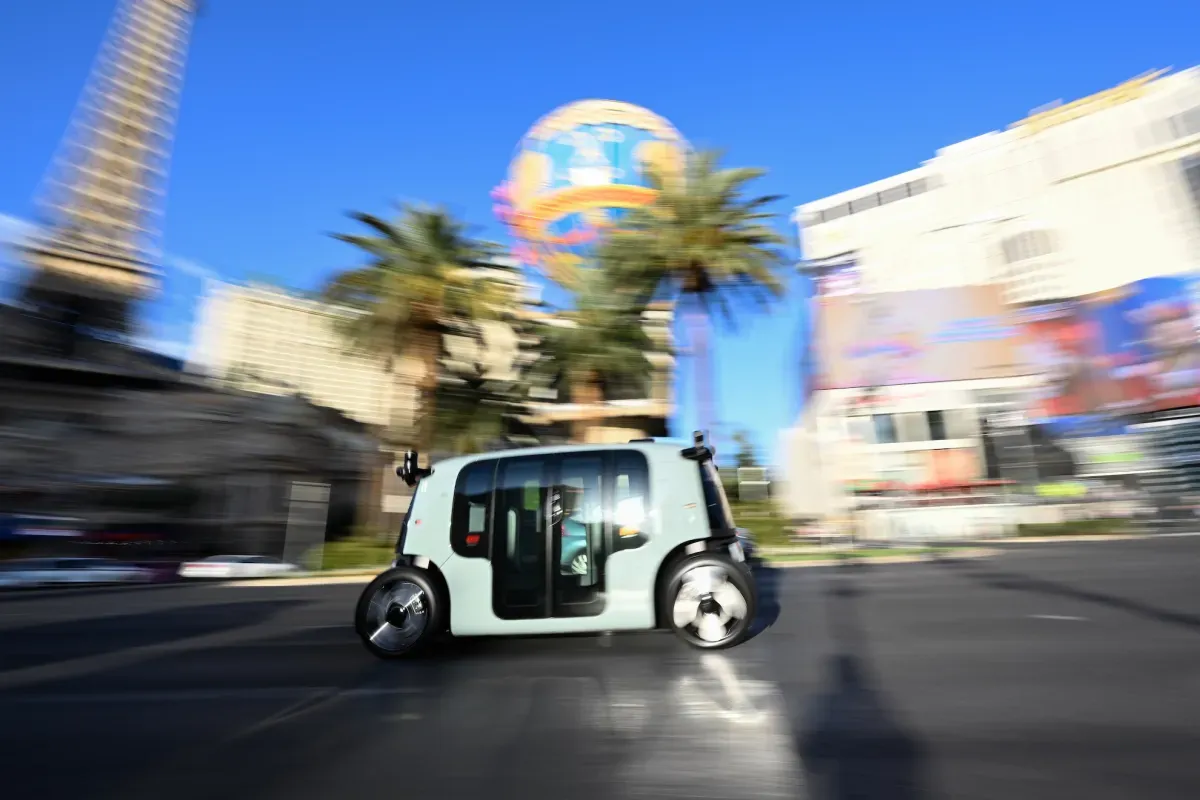
The implications of this study are vast. The logistics and delivery industries, for example, can adopt more robotic solutions to reduce operational costs, accelerate delivery times, and enhance supply chain security. Autonomous delivery vehicles and warehouse robots are predicted to become common sights in the coming years.
However, this development also poses significant challenges, particularly concerning human labor. The potential for job market disruption due to automation has been a hot topic of discussion in various global forums. Large-scale mitigation strategies and retraining programs are necessary to prepare the workforce for this new era.
Detailed comparisons show that robots excel in tasks requiring repetitive precision and large data handling. For instance, in package sorting or navigation in crowded warehouses, AI algorithms can process sensory information in milliseconds and make optimal decisions without fatigue or human error.
Further development is focused on integrating robotics with smart city infrastructure and vehicle-to-everything (V2X) communication systems. This will create a more connected, safe, and efficient transportation ecosystem, far beyond what could be achieved by transportation networks reliant on human operators.
This phenomenon of AI dominance aligns with earlier reports highlighting 'Irony of Germany 2026: European Giant Seen Indifferent in Global AI Arena'. Despite immense potential, AI adoption and development in some countries remain hindered, creating opportunities for innovators to lead. These findings from TechCrunch Mobility further underscore the urgency of global adaptation to technological disruption.
Editorial Insight: The 2026 TechCrunch Mobility A/B test results are not merely statistics; they are a proclamation of a new chapter in mobility. The editorial board believes that the superiority of AI-powered robots in operational efficiency will drive radical transformation in the logistics, delivery, and public transportation sectors. Governments and policymakers must urgently establish adaptive regulatory frameworks and relevant skill development programs to balance technological advancement with socio-economic impacts, especially concerning potential changes in employment structures. The 21st century demands not only innovation but also intelligent adaptation to inevitable disruption.