 Angela Stefani
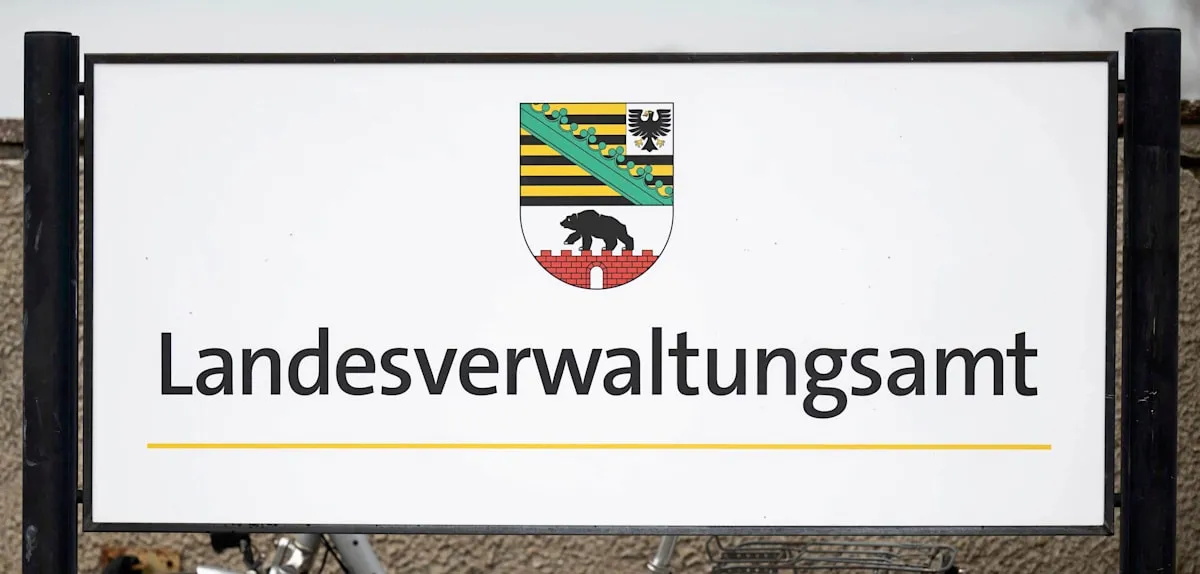
GARDELEGEN – Authorities in Altmarkkreis Salzwedel, a district in Sachsen-Anhalt, Germany, have officially approved a significant expansion of the Lindenberg Landfill. This decision permits the enlargement of the waste disposal area by an additional 11.4 hectares in the Lindenberg vicinity, near Gardelegen. The approval comes in response to the pressing need for increased waste management capacity, but simultaneously ignites a serious discourse about the environmental implications and long-term sustainability in the region during 2026.
The development of this landfill facility is expected to serve as a temporary solution to the waste disposal capacity pressures experienced by Altmarkkreis Salzwedel. Over the past few years, the region has faced considerable challenges in managing the continuously increasing volume of domestic and industrial waste. This expansion is anticipated to ensure stable waste management services for residents and industries within Altmark.
This expansion decision follows an in-depth analysis of future waste volume projections. Data indicate a significant upward trend in waste generation, rendering the current landfill capacity inadequate for needs in the coming decades. Therefore, the expansion is considered essential to prevent a waste accumulation crisis that could lead to more severe public health and environmental problems.
However, despite the urgency, critical voices have emerged from various stakeholders. Local environmental organizations, for instance, express deep concern. They worry about potential negative impacts on the local ecosystem, particularly the quality of soil and groundwater in the vicinity of the expanded landfill area.
A representative from 'Green Altmark,' a local environmental NGO, who wished to remain anonymous, stated, 'While we understand the necessity of waste management, any landfill expansion must be accompanied by robust mitigation strategies and strict oversight. We do not want this short-term solution to create long-term environmental problems for future generations.'
Public discussions about this project have been intense. The local government asserts that all environmental impact assessment procedures have been conducted in accordance with European Union regulations and German national standards. Hydrogeological, geological aspects, as well as water and soil protection, have been primary focuses in the feasibility studies.
The Altmarkkreis Salzwedel government also affirmed its commitment to implementing the latest landfill management technologies. This includes advanced methane gas monitoring systems, multi-layered impermeable barriers to prevent groundwater contamination, and post-closure revegetation programs. The aim is to minimize the ecological footprint of the facility.
The expansion of the Lindenberg landfill is not merely an addition of land but also part of Altmark's comprehensive waste management strategy. This strategy encompasses efforts to increase recycling, reduce waste at its source, and explore alternative waste treatment technologies such as incineration with energy recovery.
Project developers believe that this expansion will provide greater operational flexibility. With extra capacity, the landfill can operate more efficiently, while also allowing for better long-term planning for handling various types of waste permitted for disposal there.
As a developed nation, Germany consistently strives to achieve ambitious environmental sustainability targets. This landfill decision serves as a barometer for how the balance between infrastructure needs and environmental protection continues to be sought, especially amid pressures from population and economic growth.
Editorial Insight: The approval of the Lindenberg Landfill expansion reflects a universal dilemma faced by many nations: how to balance pragmatic waste management needs with environmental sustainability aspirations. While modern technology can mitigate impacts, ever-increasing waste volumes demand innovative solutions beyond mere expansion. This decision will likely continue to fuel regional debate, highlighting the importance of further investment in a circular economy and drastic waste reduction as fundamental future steps.