 Dodi Irawan
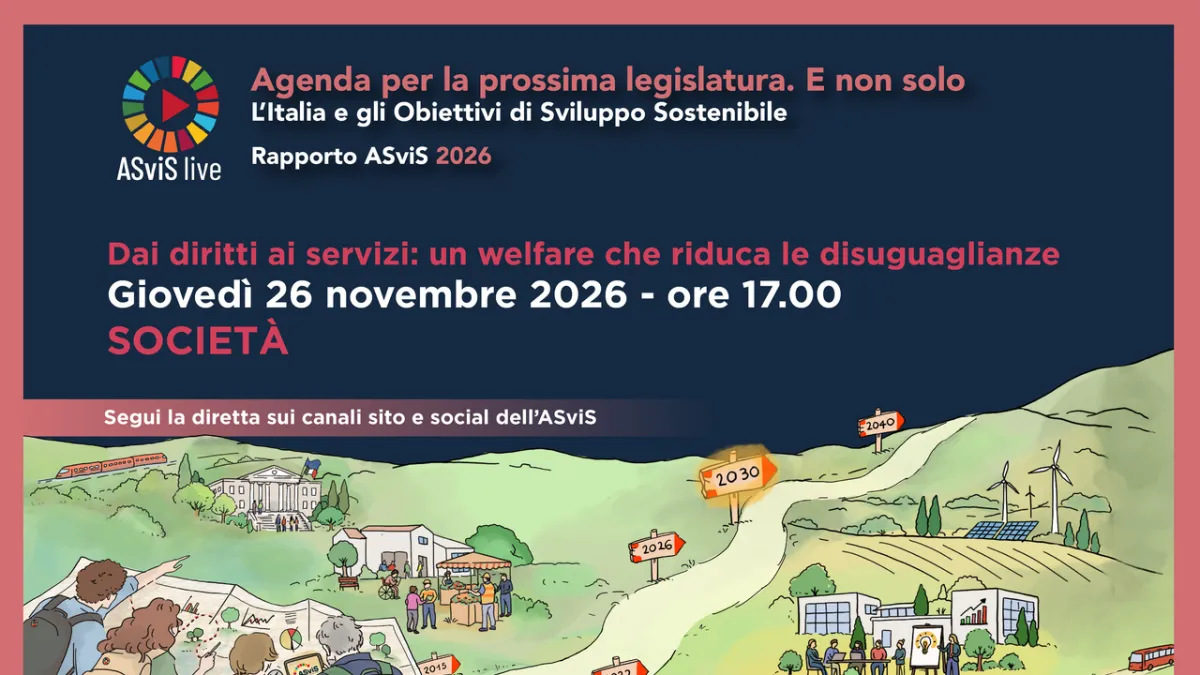
ROME – The Italian Alliance for Sustainable Development (ASviS) recently held a crucial meeting to highlight its 2026 Report. This in-depth discussion focused on an ambitious agenda to transform the welfare system, moving from mere rights to concrete services, with the primary goal of reducing persistent social inequalities across the country.
The event, a live in-depth discussion, served as a platform for stakeholders to evaluate the progress of achieving Sustainable Development Goals (SDGs) in Italy. The ASviS 2026 Report explicitly underscores the urgency of structural interventions to ensure that every citizen has equal access to essential services, not just in declaration.
Professor Enrico Giovannini, ASviS Spokesperson, emphasized the importance of a paradigm shift. 'We can no longer just talk about rights,' he stated, 'We must ensure these rights translate into services that are truly accessible and beneficial to every individual, especially the most vulnerable.' This statement is at the core of the report's main recommendations.
This annual report, regularly published by ASviS, analyzes Italy's status in achieving the 17 SDGs set by the United Nations. For 2026, a sharp focus is placed on aspects of social welfare and the reduction of economic disparities, which are still considered significant challenges.
Some key points raised in the ASviS 2026 Report include:
- Increased investment in inclusive public services such as healthcare, education, and transportation.
- Tax policy reforms to create a fairer and more redistributive system.
- Development of market-relevant job training programs to reduce structural unemployment.
- Expanded access to decent and affordable housing for low-income groups.
- Empowerment of local communities through participatory initiatives in social policy formulation.
This transformation of the welfare system is considered fundamental for Italy's economic and social sustainability. Persistent inequality not only hinders economic growth but also threatens social cohesion, creating a cycle of poverty and marginalization.
This situation is further complicated by the dynamic stalemate in the European Union's budget in 2026, as seen in the debate between Prime Minister Meloni and Merz regarding common funds. Limited budgets at the EU level could potentially put further pressure on member states, including Italy, to finance large-scale welfare programs. EU Budget Stalemate 2026: Meloni and Merz Clash Over Joint Funds.
The panelists in the discussion highlighted how digital innovation can be utilized to improve the efficiency and reach of welfare services. However, they also warned that digitalization must be inclusive, not creating new divides between those with digital access and capabilities and those without.
This ASviS initiative is expected to foster constructive dialogue among government, the private sector, and civil society. Cross-sector collaboration is deemed essential for formulating and implementing holistic and sustainable policies.
The Italian government faces pressure to respond to these recommendations. With uncertain global economic conditions and demographic challenges, concrete steps in welfare reform will be decisive for Italy's future stability and progress. ASviS hopes this report will be a catalyst for real change, not merely an analytical document.
Editorial Insight:
The ASviS 2026 Report, which calls for welfare system reform from rights to concrete services, is a progressive step that deserves close attention. It reflects a deep understanding that the mere declaration of rights is insufficient without adequate and equitable service infrastructure. The main challenge lies in political will and budget allocation, especially given the unresolved tensions over the European Union's budget. Successful implementation will heavily depend on Italy's ability to reduce bureaucracy, ensure transparency, and involve all elements of society in the process, so that the benefits are truly felt by all segments without exception.